Restaurant · Guide Updated August 2026
7 Ways Restaurants Can Survive a Crisis Lockdown
When a crisis forces your restaurant to close or gut your revenue, your survival comes down to seven moves: tap government relief programs, audit your cash runway, get listed on local directories, pivot your space creatively, sharpen your web presence, and launch DIY kits. These are not theoretical options, they are the exact strategies Wilson K Lee was deploying with real clients and colleagues when lockdowns hit. Some of those operators turned things around by implementing all seven.
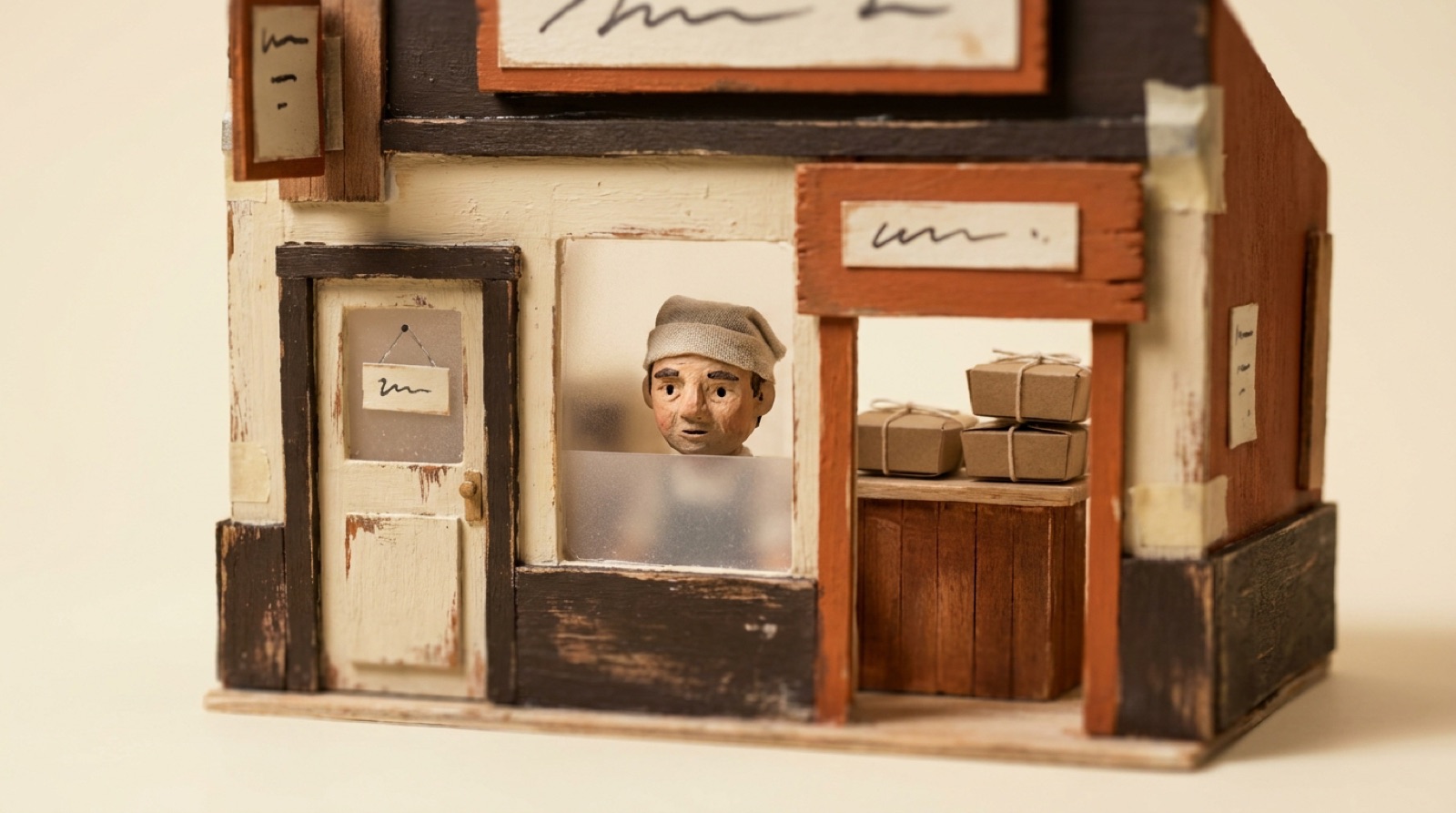
When a lockdown hits, the operators who survive are the ones who stop waiting and start moving. Seven concrete strategies separate the restaurants that come out the other side from the ones that never reopen. These are exactly what I was putting in place for my clients and recommending to colleagues when the world shut down.
1. Check Every Government Relief Program Available to You
Restaurants are the backbone of the economy. Governments know this, and they built relief programs specifically because they know you operate on razor-thin margins.
During the COVID-19 lockdowns, the US passed a two-trillion-dollar relief package. More than 350 billion dollars of that was earmarked for federal small business loans, including the Paycheck Protection Program, which could cover payroll costs, rent, mortgage payments, and employee health care benefits including paid sick leave. In Canada, the government offered a 75 percent wage subsidy, which is why I was telling every operator I knew to do everything possible to keep their staff employed, even if it was just for delivery.
On the landlord side, mortgage deferral programs existed too. If you are renting, go have that conversation with your landlord directly. Frame it plainly: your success is their success. An empty restaurant means zero rental income for them, possibly for years. Most landlords would rather defer a few months than stare at a vacant space.
The point is simple: you cannot sign up for programs you do not know exist. Go find them.
2. Analyze Your Business Health and Know Your Runway
This is the step most operators skip because it is uncomfortable. Do it anyway.
Sit down and calculate exactly how long your cash lasts if you shut everything off except your fixed costs. Then run the numbers for a skeleton operation, one person, two people, delivery only. You need to know your runway in weeks, not in feelings.
If you do not know your runway, you cannot make a rational decision about anything else. You will not know which relief programs to prioritize. You will not know whether it makes more sense to stay open in a limited capacity or close completely to conserve cash. Not knowing is what turns a rough patch into a full collapse.
Closing down is not admitting defeat. It can be the smartest move you make. Even Michelin-starred restaurants like Alinea pivoted to delivery-only during the lockdowns. If they can do it without shame, so can you. Conserving your cash is reserving your ammunition for the comeback.
3. Get Listed on Local Directories and Publication Features
When you are still operating for delivery, people need to know you exist. During lockdowns, many local publications and websites built running lists of restaurants still open and offering delivery. These directories had real audiences actively looking for places to support.
Reach out to every publication in your city and get your restaurant on those lists. You are not begging for coverage. You are giving readers exactly what they are looking for: a local business they can support right now. Citizens want to help small operators survive. Make it easy for them to find you.
Use the existing audience those publications have already built. That is free reach you do not have to build from scratch.
4. Turn Your Restaurant into a Temporary Grocery Store
This one sounds strange until you think about it for ten seconds.
During lockdowns, people were waiting in line for hours at supermarkets just to grab milk and eggs. You already have supplier relationships. You already have logistics in place. Your fridge and your shelves are sitting there.
Open your doors as a neighborhood grocery point. Stock the staple items your suppliers bring in anyway. Let people come in, grab what they need, and go. You cover some rent, you stay useful to your community, and you build loyalty that outlasts the crisis. When things open back up, those neighbors remember who was there for them.
You do not need to become a full grocery store. You need to be the convenient, nearby option when the alternative is a 45-minute line.
5. Use Your Space Creatively
Your dining room does not have to sit empty and bleed you.
Turn it into a studio. Start teaching people how to cook your signature dish on camera. Show the behind-the-scenes of your kitchen. Go live on social and walk people through your recipes. You are not pivoting away from your brand, you are deepening it.
The operators who came out of the lockdowns with stronger communities were the ones who kept showing up for their audience even when the doors were closed. You have a space, you have knowledge, and you have an audience that already likes you. That combination is more valuable than most people realize when they are sitting in an empty restaurant feeling sorry for themselves.
Work with what you have.
6. Get Your Web Presence in Order
When you are running a restaurant at full speed, you are always in the weeds. Every day is putting out fires. You work in the business, never on it. A crisis forces you to stop, and that is the window.
Update your menu on your website. Confirm your contact information is correct. Make sure your hours reflect reality. Check that your social media profiles are consistent and current across every platform. Google, Instagram, Facebook, Yelp: all of it needs to match.
When your doors reopen, the first thing a new customer does is look you up online. If your website is a mess or your hours are wrong, you lose them before they ever walk in. Fixing this during downtime costs nothing except your attention. When business picks back up, you will not have time to touch it.
Everyone else is sleeping on this. Do it now and you will be ahead of them when things reopen.
7. Launch a DIY Kit
DIY meal kits were one of the fastest-growing offerings during the lockdowns, and the reason is obvious: people stuck at home can only eat so much plain takeout before they want an activity.
A DIY kit gives them something to do. It is an event in a box. You pre-make your signature sauce, you package the ingredients cleanly, you write simple instructions, and you sell it. People buy it because they want to bond with their partner or their family over something fun, and your restaurant’s name is on the box.
The attachment that creates is real. They make your dish in their kitchen, it turns out great, and now your restaurant has a memory attached to it. When you reopen, that customer comes back with more loyalty than someone who just ate at your table once.
Think about what your restaurant is known for and figure out how to put that in a kit. Keep the instructions simple. Pre-do as much as you can. Make success easy for the person at home.
The Bottom Line
A crisis does not kill restaurants. Inaction does. Know your numbers, use every resource available, and keep showing up for your community in whatever form you can. The operators who make it through are the ones who stay creative and stay moving instead of waiting for things to go back to normal. As I always say: work on the business, not just in it, and when times are good again you will already be out in front.
Watch the full video
Source — YouTube · the full breakdown, free
Tool — free · not sponsored, I built it
Want your exact numbers for a restaurant? The free calculator runs your cost to open, the ×1.4 cash reserve, and your break-even in about 30 seconds. Prefer paper? The One-Page Fundable Business Plan is the printable version.
Run your numbers →Questions owners actually ask
What platforms are best for advertising your restaurant during a crisis?
Start with the platforms where your existing audience already lives: Instagram, Facebook, and Google My Business. During lockdowns specifically, local publications were actively building directories of restaurants still open for delivery. Getting listed on those gives you immediate, targeted reach without ad spend. Your Google My Business listing is especially critical because it is the first thing someone sees when they search your restaurant name. Keep it updated with accurate hours, menu links, and contact information.
How do you avoid high commission fees from delivery apps like DoorDash and Uber Eats?
The direct approach is to build your own ordering system and drive customers to it instead. During a lockdown, your web presence is your biggest asset: a clear website with a phone number or a direct online ordering tool cuts the third-party platforms out entirely. Pair that with your social media audience and your email list to tell your regulars where to order directly. You can also use the local publication directories mentioned above to point customers straight to your own channels rather than an aggregator.
Should you close your restaurant completely or stay open in a limited capacity during a lockdown?
Run the numbers first. Calculate your cash runway with the restaurant fully closed versus running a skeleton delivery-only operation. If staying open even partially extends your runway and does not accelerate losses, stay open. If the math says closing preserves more cash for a comeback, close without shame. Even Michelin-starred restaurants like Alinea went delivery-only during COVID-19 lockdowns. Closing to conserve cash is a strategic move, not a defeat.
What should you do if you cannot make rent during a lockdown?
Go to your landlord directly and have an honest conversation. Frame it as a shared problem: if your restaurant closes permanently, they lose rental income for potentially years. During COVID-19, many governments also introduced mortgage deferral programs. Bring that information to the conversation so your landlord knows options exist. Most landlords will prefer a short-term deferral over a long-term vacancy.
What is a DIY meal kit and how do you set one up quickly?
A DIY kit is a packaged set of your restaurant's ingredients and instructions that lets a customer cook your signature dish at home. Pre-make as much as possible, especially sauces and marinades, so the at-home cook has an easy experience. Package everything cleanly, write simple step-by-step instructions, and sell it through your website, social media, or direct message. The goal is to make success easy for the customer so your restaurant earns a positive memory in their home.
The Weekly Receipt
One brand story, one number, one answered question. 2 minutes, Tuesdays.
Free. Unsubscribe anytime, one click, no games.
You're in, friend. See you Tuesday.
Keep going: restaurant guides
How Much Does It Cost to Open a Restaurant? (2026 Complete Breakdown)
The real, itemized cost to open a full-service restaurant in 2026, including Wilson's x1.4 cash rule, break-ev
12 Restaurant Assets Every Owner Needs to Build
The 12 restaurant assets that build your brand, from logo to uniforms, ranked by priority before you open in 2
3 Tactics to Position Your Restaurant Brand for Growth
Awards, media features, and strategic associations are the three free tactics that build customer trust and po
3 Things to Know Before Opening a Restaurant (And What Happens If You Skip Them)
Wilson K Lee breaks down the three foundational principles every restaurant owner must master: know your numbe
360 Ads for Restaurants: How to Build Customer Touchpoints Across Every Channel
Learn how 360-degree advertising builds the 20 touchpoints your restaurant needs to turn strangers into custom
Low Labor Restaurant Concepts: Fast vs QSR Compared
Fast concept and QSR are the lowest labor restaurant concepts. See real costs, staffing needs, and revenue to
5 Deadly Mistakes Every New Food Business Owner Makes
60% of restaurants fail in year one. Wilson K Lee breaks down the 5 deadly mistakes killing food businesses in
4 Actionable Steps to Prevent Your Restaurant from Going Bankrupt During a Crisis
Four concrete steps every restaurant owner needs to assess financial health, cut inefficiencies, secure fundin