Restaurant · Guide Updated July 2026
10 Home Food Business Ideas You Can Start Right Now
You can start a food business from home with very little equipment. The ten most viable ideas are ice cream, cookies, sauces, dumplings, pizza, cakes, meal prep, chocolates, subscription boxes, and soups. Each has real margins and real competition, so the key is picking one and differentiating hard before you try to scale.
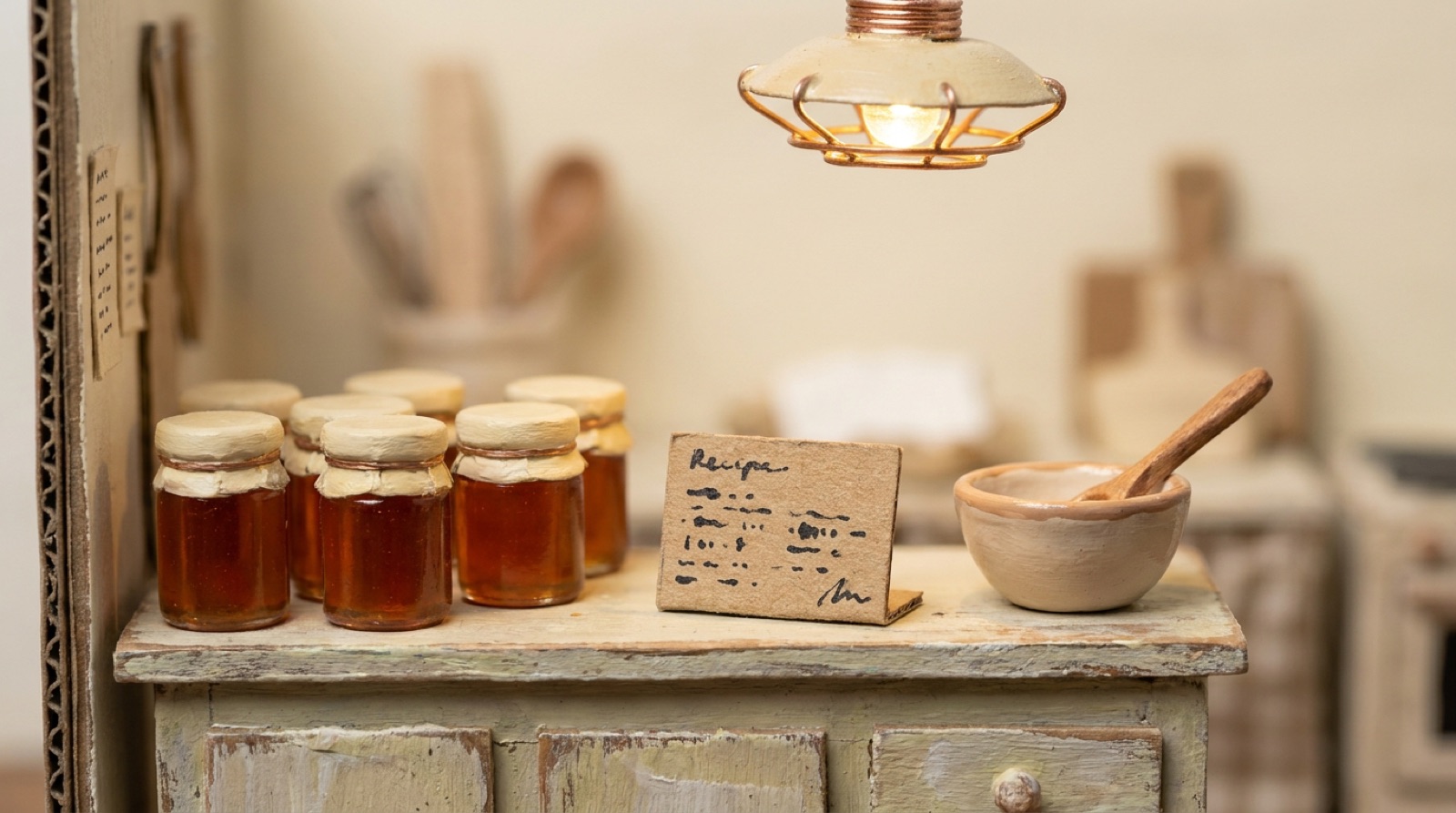
Starting a home food business is one of the most accessible ways to test a food concept before committing to a commercial kitchen or a full brick-and-mortar. Before you pick your product, look up the cottage food laws in your state or country. These laws govern what you can legally produce and sell from a home kitchen, and they often restrict temperature-dependent foods. Know the rules, then build around them.
Here are ten ideas that actually work, with the real pros and cons for each.
1. Ice Cream
I started my own ice cream shop and grew it to a seven-location chain, so this one is close to my heart.
Pros. Ice cream is a batch-created product. You can make 40 different flavors in one session, load up your freezer, and then fulfill orders through delivery or pickup on your own schedule. That is a fundamentally different production model than on-demand food, where you are cooking to order every single time. Limiting your flavors also works in your favor: releasing limited-edition batches creates genuine demand. Customers stay alert for your next drop. Margins are strong at around 40%. Retail pints typically sell for $10 to $15 each, and most buyers pick up two to four at a time, putting your average order anywhere from $40 to $80.
Cons. The competition is brutal. You are not just up against other home producers. You are on the same shelf, in the consumer’s mind, as Ben and Jerry’s, Haagen-Dazs, and Dreyer’s. Winning means finding a specific audience and differentiating so clearly that your product has no direct substitute. That takes serious research and development time.
2. Cookies
Cookies have mass appeal across every age group. They are easy to batch-bake, freeze well, and give you enormous creative range.
Pros. Low barrier to entry. You can go vegan, gluten-free, oversized and gooey, or hyper-decorated. Margins run 30 to 40%, which gives you real room to price intelligently.
Cons. Walk into any Walmart and count the cookie brands on the shelf. Differentiation is not optional. The per-unit price is also low, around $2 to $3 per cookie. The fix is bundling: sell in packs of 6 or 12 to raise your average order value. Labor can also be intensive depending on your oven capacity and kitchen size.
3. Sauces
A lot of great sauces come from a family recipe. If you have one, do not sit on it.
Pros. Sauces are batch-produced, which keeps your production cost manageable. They are versatile and travel well, which makes fulfillment straightforward.
Cons. The grocery store sauce aisle is one of the most crowded shelves in retail. You need a hook. The combinations that have shown real traction include things like truffle hot sauce or coffee-bean hot sauce. Unusual, specific, defensible combinations that no mass brand is bothering to make. That is your lane.
4. Dumplings
Dumplings are a cultural staple, and the demand is consistent year-round.
Pros. The equipment requirement is minimal. Consumption is habitual, meaning customers come back regularly. Selling in bulk bags of 20 to 40 dumplings priced at $20 to $30 keeps your order value meaningful. I interviewed a business called Dumpling Drops that generates over $80,000 in sales per month doing exactly this.
Cons. It is a cultural product, so your addressable market may be narrower depending on your location. The production process is also genuinely labor-intensive. Dumplings are traditionally hand-rolled, and that does not change at home scale. Be honest about your capacity before you take on more orders than you can fill well.
5. Pizza
Pizza is one of the most universally consumed foods on the planet. I ate it yesterday and again for lunch the day of filming this.
Pros. All you need is an oven. Demand is consistent. You can run two models: frozen pizzas that customers take home and bake themselves, or on-demand pizzas for local delivery or pickup. Margins sit at 20 to 30%.
Cons. Domino’s and Pizza Hut will deliver to most doors in 30 minutes or less. To compete, your quality or your niche has to be unmistakable. There is also a hard production ceiling at home. When volume picks up, your home oven becomes a bottleneck fast. Use the home setup to validate your concept and your recipes, then plan for a commercial kitchen when demand outpaces capacity.
6. Cakes
Every celebration involves a cake. That built-in occasion demand is a real business asset.
Pros. Custom cakes can command serious prices. A well-positioned custom cake sells for $200 to $300. The variety of styles available to you, cheesecake, pound cake, cake pops, sponge cake, crepe cake, and more, means you can pick a vertical and become the specialist in it rather than competing across the board.
Cons. Cakes are a science. Small variable changes affect the outcome. You need patience, skill, and a genuine willingness to test and fail repeatedly. If you do not yet have the baking background, you can hire a formulation consultant, which is exactly what an operator called Big Willie Sticks did to get his product right. The path exists whether or not you start with the skill.
7. Meal Prep
Meal prep works best when you focus on fully cooked, ready-to-eat meals rather than raw ingredient kits. The HelloFresh and Blue Apron model requires logistics and scale that a home kitchen cannot reasonably replicate.
Pros. Average order values are high because you are selling multiple meals per transaction, breakfast, lunch, and dinner across 3, 5, or 7 days. That can mean 15 to 30 meals in a single order. You only need a handful of consistent clients to build a real revenue base. Happy clients reorder weekly, which gives you a subscription-style business with predictable income.
Cons. Clients need a strong reason to commit. The ones who do are usually fitness-focused people who need specific macros, or people with dietary restrictions like gluten-free or vegan requirements. Pick one of those niches and build your offering around it specifically. Trying to cook for everyone keeps you from being great for anyone.
8. Chocolates
The global estimated consumption of chocolate was projected to reach $182 billion by 2025. That is not a niche market.
Pros. Chocolate is highly versatile: dark, white, keto, vegan, caramel, seasonal, and occasion-based. It has a long shelf life, so batch production makes sense. The equipment list is short: a mixing bowl, baking sheets, and a thermometer. Margins range from 20 to 40% depending on your ingredients and positioning. Because the product sits on the shelf rather than requiring on-demand preparation, you free up time for marketing.
Cons. Chocolate is everywhere. To justify a premium price, you need a narrow niche and a clear brand identity. Generic chocolate does not sell at home-business prices. Specialized chocolate, made for a specific audience with a specific flavor profile, does.
9. Monthly Subscription Boxes
A subscription box is a curated selection of your food products shipped to customers on a recurring monthly basis.
Pros. Recurring revenue is the most valuable thing a small food business can build. Subscribers sign up for one, two, or three months at a time, which means you can forecast production and cash flow rather than reacting to random daily orders. The format is flexible: sushi boxes, bubble tea boxes, snack boxes, cake boxes, tea boxes, and dozens of other formats are already working in the market. A site like Cratejoy.com is a good place to see what is already selling and where gaps exist.
Cons. Customers need education before they commit. The value proposition of a subscription box is not immediately obvious, and converting a curious visitor into a paying subscriber takes more marketing effort than a one-time purchase. Production is also more labor-intensive than it looks. When I created my bubble tea subscription box called Bulbasaur, it took three to four hours just to assemble 10 to 20 boxes. That time cost has to be priced into your unit economics. Churn, the rate at which subscribers cancel, is also a constant challenge. The best defense against churn is a loyalty structure. Tokyo Treats, for example, uses a streak-based rewards system where subscribers earn points and perks at 3, 5, and 6 months. That kind of incentive keeps people engaged past the first box.
10. Soups
Soups are comforting, easy to produce in bulk, and genuinely useful to customers who are sick, busy, or just want something warm and simple.
Pros. Batch production is straightforward. You load a pot, let it go, and portion it out. Sell it as a finished frozen product or a ready-to-heat container rather than a dry ingredient kit. Recipes are generally simpler than full-meal cooking.
Cons. Soup sits at the bottom of this list for a reason. Demand is lower relative to every other item here. Margins are thin because the benchmark in most consumers’ minds is a $1 can of Campbell’s. To charge a premium, your soup needs a clear differentiator, a specific cuisine, a functional health angle, or an ingredient quality that the canned options simply cannot match.
The Bottom Line
A home food business is a real business. Treat it like one from day one: validate your recipe, price it to cover your actual costs, understand your cottage food obligations, and pick a niche narrow enough to win. The operators who turn a home kitchen into a sustainable income do one thing exceptionally well for a specific customer. Start small, stay specific, and do not try to be everything to everyone before you have proven you can be something great to someone.
Watch the full video
Source — YouTube · the full breakdown, free
Tool — free · not sponsored, I built it
Want your exact numbers for a restaurant? The free calculator runs your cost to open, the ×1.4 cash reserve, and your break-even in about 30 seconds. Prefer paper? The One-Page Fundable Business Plan is the printable version.
Run your numbers →Questions owners actually ask
Can you really sell food from home without permits?
You need to check the cottage food laws in your specific state or country before selling a single item. These laws govern what types of food you can legally produce and sell from a home kitchen, and they often restrict temperature-dependent products. Wilson's advice is to understand those rules fully before you start, not after.
Would a bubble tea business from home actually work?
Wilson's own bubble tea subscription box, called Bulbasaur, is a real example of this working. The subscription box format is the most practical way to run a home-based bubble tea business, since it allows batch production and recurring revenue. The key challenge is the assembly time: expect three to four hours to put together 10 to 20 boxes.
What are the pros and cons of selling bottled coffee or fruit-based beverages from home?
Wilson does not cover bottled coffee or fruit juice specifically in this guide, but the sauce and subscription box frameworks apply directly. Beverages are highly competitive, margins depend heavily on ingredients and positioning, and cottage food laws in many places restrict liquid or temperature-sensitive products. Research your local rules first, then find a combination or niche that no mass brand is covering.
How do I actually start a home food business once I have an idea?
Wilson's framework is: validate your recipe with real customers, build out your menu, price your items to cover production costs and generate margin, sort out your logistics for delivery or pickup, and then start selling online. Cottage food law compliance comes before your first sale, not after things take off.
Are there home food business ideas that are less saturated and easier to get traction with?
Within Wilson's list, dumplings and meal prep for a specific dietary niche (fitness-focused or allergy-restricted clients) tend to have more defined target audiences and less mass-market competition than cookies or cakes. The principle across all ten ideas is the same: the narrower and more specific your niche, the less direct competition you face.
What are the cottage food law rules for home food businesses?
Cottage food laws vary by location, but they commonly require that your products not be temperature-dependent, meaning fully shelf-stable items like baked goods, jams, and candies are typically permitted while dairy-based or meat-based products are often restricted. Wilson strongly recommends researching the specific laws in your area before you begin production or sales.
How much can you realistically make selling dumplings from home?
Wilson interviewed a business called Dumpling Drops that generates over $80,000 in monthly sales. At the home scale, selling bags of 20 to 40 dumplings priced at $20 to $30 each is the standard model. Volume is limited by the hand-rolling production process, so scaling up requires either more labor or a move to a commercial kitchen.
The Weekly Receipt
One brand story, one number, one answered question. 2 minutes, Tuesdays.
Free. Unsubscribe anytime, one click, no games.
You're in, friend. See you Tuesday.
Keep going: restaurant guides
How Much Does It Cost to Open a Restaurant? (2026 Complete Breakdown)
The real, itemized cost to open a full-service restaurant in 2026, including Wilson's x1.4 cash rule, break-ev
12 Restaurant Assets Every Owner Needs to Build
The 12 restaurant assets that build your brand, from logo to uniforms, ranked by priority before you open in 2
3 Tactics to Position Your Restaurant Brand for Growth
Awards, media features, and strategic associations are the three free tactics that build customer trust and po
3 Things to Know Before Opening a Restaurant (And What Happens If You Skip Them)
Wilson K Lee breaks down the three foundational principles every restaurant owner must master: know your numbe
360 Ads for Restaurants: How to Build Customer Touchpoints Across Every Channel
Learn how 360-degree advertising builds the 20 touchpoints your restaurant needs to turn strangers into custom
Low Labor Restaurant Concepts: Fast vs QSR Compared
Fast concept and QSR are the lowest labor restaurant concepts. See real costs, staffing needs, and revenue to
5 Deadly Mistakes Every New Food Business Owner Makes
60% of restaurants fail in year one. Wilson K Lee breaks down the 5 deadly mistakes killing food businesses in
4 Actionable Steps to Prevent Your Restaurant from Going Bankrupt During a Crisis
Four concrete steps every restaurant owner needs to assess financial health, cut inefficiencies, secure fundin