Restaurant · Guide Updated August 2026
How to Build a Food Business That Dominates by Doing One Thing Well
The fastest path to food business success is identifying a real problem in the marketplace, building one hero product that solves it better than anyone else, and letting the quality pull opportunities toward you. Kalin and Hobbs Pickles proved this by going from a sold-out pop-up to two retail locations and nearly 36 grocery stores in under three years. You do not need ten products or ten revenue streams to win. You need one exceptional one.
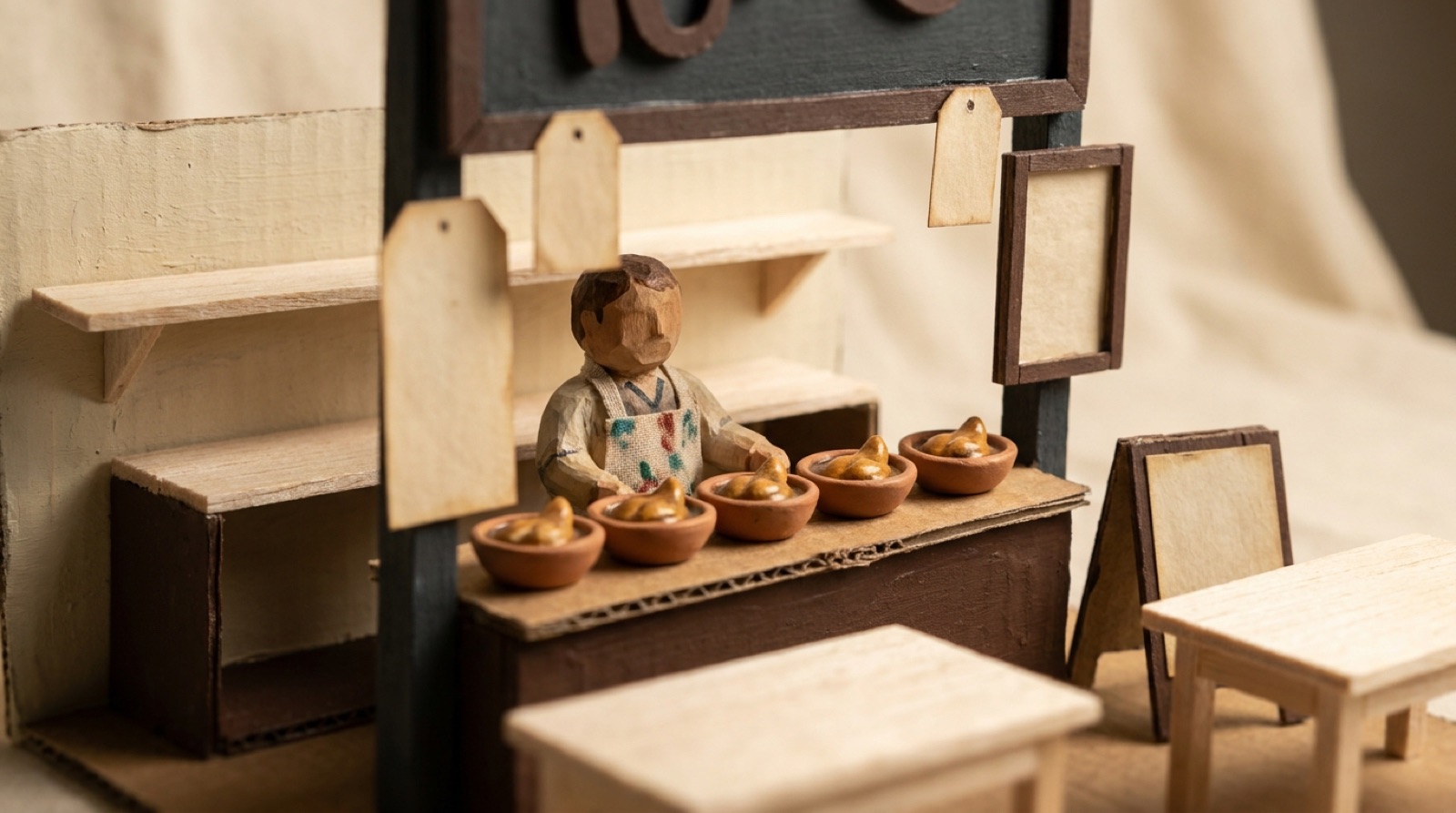
Kalin and Hobbs started because two guys moved to Vancouver and could not find a good pickle. Every pickle was soft, shoved to the back of the fridge, and forgotten. That pain point is exactly where their business was born. Within six days of their first pop-up, they sold out what they expected to last a month. In two and a half years they had two retail locations, roughly 36 grocery stores, and around 30 restaurant accounts. The playbook behind that growth is simple enough to write on a napkin, but almost nobody actually follows it.
What Problem Are You Actually Solving?
Every successful food business starts with a specific, nameable problem. Not a vague idea like “people want better food.” A concrete, felt frustration.
For Kalin and Hobbs, the problem was precise: pickles on the West Coast were soft, flavorless, and treated like an afterthought. People who genuinely love pickles had no product that treated the pickle as the star of the show. That gap was the business.
Before you design a logo or buy equipment, write the problem down in one sentence. If you cannot do that, you are not ready to build yet. The problem statement is your compass. Every product decision, every branding choice, every partnership either solves that problem better or it does not.
Why “Do One Thing Better Than Everyone Else” Is Not a Cliché
Chris and Scott from Kalin and Hobbs were aligned on one principle before they did anything else: do one thing and do it better than everyone else. That sounds obvious. Most operators ignore it entirely.
The instinct when you start a food business is to pile on revenue streams. Wholesale, catering, events, retail, online, private label. You want to cover every angle because you are scared of leaving money on the table. That impulse will spread you thin and dilute the very thing that makes you worth choosing.
What Kalin and Hobbs did instead was obsess over the pickle itself. They flew to New York, which has 150 years of pickle-making history, found the original pickling families, and identified a partner who could help them make the crunchiest, coldest, tastiest pickles on the West Coast. They did not rush to distribution or wholesale. They got the product right first.
The result: restaurants came to them. Chefs in Vancouver started reaching out asking to feature the pickles. Loblaws approached them about grocery placement. The West Hollywood farmers market welcomed them before they even opened a U.S. location. The opportunities arrived because the product earned them.
When you focus on doing one thing really well, the opportunities come to you. Then, when you are ready, you take them on. That sequence matters. Product first, opportunities second.
How Do You Identify Your Hero Product?
A hero product is the one item that carries your business. Apply the 80/20 rule here: your hero product should bring in 80 percent or more of your revenue. If it does, you have found it. If no single product comes close to that, you have not found it yet.
Kalin and Hobbs called their classic crunchy kosher dill their “gateway pickle.” It was number one in sales, the product customers tried first, and the one that pulled them into the rest of the line. Everything else in the range existed in support of that anchor.
A common mistake I see operators make is launching eight or ten variations before they have identified which one actually resonates. You end up with a cluttered menu, confused customers, and no clear story to tell. Build the hero product first. Once it is earning the 80 percent, add supporting products with intention.
What Does “Honing Your Craft” Look Like in Practice?
Going to New York to meet the original pickling families was not a trip about networking. It was craft research. Chris and Scott wanted to understand the source of great pickle-making so they could bring that standard to a market that had never seen it.
That level of dedication shows up in the details. The pickle bar Chris designed was purpose-built, visually on-brand, and set the product on ice so the pickle arrived cold and crunchy. The retail packaging at Loblaws was clean, typographically clear, and whimsical without being messy. Every touchpoint communicated the same thing: this is not a condiment, this is the main event.
You do not need to fly across the country to hone your craft. But you do need to be honest about whether your product is genuinely the best version it can be before you push it into the world. Do not rush the process. The market will reward the operator who takes the time.
How Does Branding Connect to the Problem You Solve?
Branding is not decoration. It is the visual and emotional expression of the problem you are solving and the community you are serving.
Kalin and Hobbs nailed this. Their rustic, clean aesthetic matched the product. It felt artisanal without looking confused. On a busy grocery shelf at Loblaws, simplicity cuts through noise. Customers who love real, high-quality food saw the label and immediately understood what the brand stood for.
Ask yourself: does every element of your brand communicate the specific problem you solve? Your packaging, your label copy, your social presence, your in-store display. If any piece sends a mixed signal, fix it. Consumers make decisions in seconds. Clarity wins.
When Should You Start Chasing Wholesale and Restaurant Accounts?
After the product is exceptional, not before.
Kalin and Hobbs did not cold-call restaurants. Chefs in Vancouver tasted the product and reached out. That is the order of operations. Wholesaling to a grocery chain or supplying a restaurant kitchen is a volume commitment. If your product is not fully dialed in, that volume will expose every flaw at scale.
The moment you know you are ready is when people start telling you they want more of it, and when strangers are reaching out through your website from places you have never marketed to. That happened to Kalin and Hobbs. People in Los Angeles were messaging them before the West Hollywood location even opened.
Build the product until demand becomes undeniable. Then scale it.
What Role Does Community Play in a Food Business?
Scott said it directly: his personal measure of success was standing behind the pickle bar and watching people’s reactions every day. The happiness on their faces. The fact that he had created something people actually love.
That is not sentimentality. That is the mechanism of a loyal customer base. People who feel genuinely delighted by your product tell other people. They seek you out at a farmers market in a city you just entered. They email your website asking when you are opening near them.
Community is the compounding asset in a food business. It is built by solving a real problem, delivering on it every single time, and caring visibly about the people you serve. You cannot fake it. The operator who genuinely cares about the customer experience builds a community that markets the business for them.
The Bottom Line
Identify a real problem. Build one product that solves it better than anyone else. Do not scatter your energy until that product is undeniably excellent. The operators who commit to that sequence, like Kalin and Hobbs, end up with restaurants and grocery chains knocking on their door. Do one thing so well that the opportunities have to find you.
Watch the full video
Source — YouTube · the full breakdown, free
Tool — free · not sponsored, I built it
Want your exact numbers for a restaurant? The free calculator runs your cost to open, the ×1.4 cash reserve, and your break-even in about 30 seconds. Prefer paper? The One-Page Fundable Business Plan is the printable version.
Run your numbers →Questions owners actually ask
How long did it take Kalin and Hobbs to get into grocery stores and restaurants?
In two and a half years they reached two retail locations, close to 36 grocery stores, and about 30 restaurant accounts. They did not pursue most of those channels aggressively. Chefs and buyers approached them after experiencing the product. The quality generated the inbound interest.
What is the hero product rule and how do I know if I have found mine?
The hero product rule is a simple 80/20 test: if one product drives 80 percent or more of your revenue, that is your hero product. If no single item comes close to that threshold, you have not found it yet. Wilson recommends building and perfecting the hero product before adding variations to your line.
Why did Kalin and Hobbs travel to New York before launching?
New York has roughly 150 years of pickle-making history and is considered the origin of the best pickles. Chris and Scott went to meet the original pickling families and find a production partner who could help them make the crunchiest, coldest, tastiest pickles on the West Coast. Getting the product right at the source was the foundation of everything that followed.
Should I launch multiple revenue streams right away when starting a food business?
No. Wilson is direct on this: the impulse to do wholesale, catering, events, and retail simultaneously before the product is excellent will dilute your focus and your quality. Kalin and Hobbs focused entirely on making the best pickle possible. The restaurant and grocery opportunities came to them once the product proved itself.
How important is branding on a retail shelf?
It is critical. When Kalin and Hobbs entered Loblaws, they knew the environment was extremely busy and competitive. Their solution was to simplify: clean labels, clear typography, a look that was whimsical but not cluttered. On a crowded shelf, simplicity and clarity are what cut through. Branding needs to communicate what you stand for in the few seconds a shopper glances at it.
What does building a food business community actually mean in practice?
It means creating a product that genuinely delights people, delivering that experience consistently, and caring visibly about the people you serve. For Kalin and Hobbs, it showed up as customers messaging their website from Los Angeles before a location even opened there, and chefs across Vancouver seeking them out. A real community markets your business for you because people share things that make them happy.
The Weekly Receipt
One brand story, one number, one answered question. 2 minutes, Tuesdays.
Free. Unsubscribe anytime, one click, no games.
You're in, friend. See you Tuesday.
Keep going: restaurant guides
How Much Does It Cost to Open a Restaurant? (2026 Complete Breakdown)
The real, itemized cost to open a full-service restaurant in 2026, including Wilson's x1.4 cash rule, break-ev
12 Restaurant Assets Every Owner Needs to Build
The 12 restaurant assets that build your brand, from logo to uniforms, ranked by priority before you open in 2
3 Tactics to Position Your Restaurant Brand for Growth
Awards, media features, and strategic associations are the three free tactics that build customer trust and po
3 Things to Know Before Opening a Restaurant (And What Happens If You Skip Them)
Wilson K Lee breaks down the three foundational principles every restaurant owner must master: know your numbe
360 Ads for Restaurants: How to Build Customer Touchpoints Across Every Channel
Learn how 360-degree advertising builds the 20 touchpoints your restaurant needs to turn strangers into custom
Low Labor Restaurant Concepts: Fast vs QSR Compared
Fast concept and QSR are the lowest labor restaurant concepts. See real costs, staffing needs, and revenue to
5 Deadly Mistakes Every New Food Business Owner Makes
60% of restaurants fail in year one. Wilson K Lee breaks down the 5 deadly mistakes killing food businesses in
4 Actionable Steps to Prevent Your Restaurant from Going Bankrupt During a Crisis
Four concrete steps every restaurant owner needs to assess financial health, cut inefficiencies, secure fundin