Restaurant · Guide Updated August 2026
How to Set Up 360 Ads for Your Restaurant (Facebook and Instagram)
360 ads for restaurants are not about running promotions. They are about staying top of mind with cold audiences and nurturing warm ones through consistent value, using Facebook and Instagram pixel targeting. The five steps are: pixel your audience, deliver value using the 7 Ps, set your targeting parameters, launch and monitor, then layer in contests and events to create explosive growth.
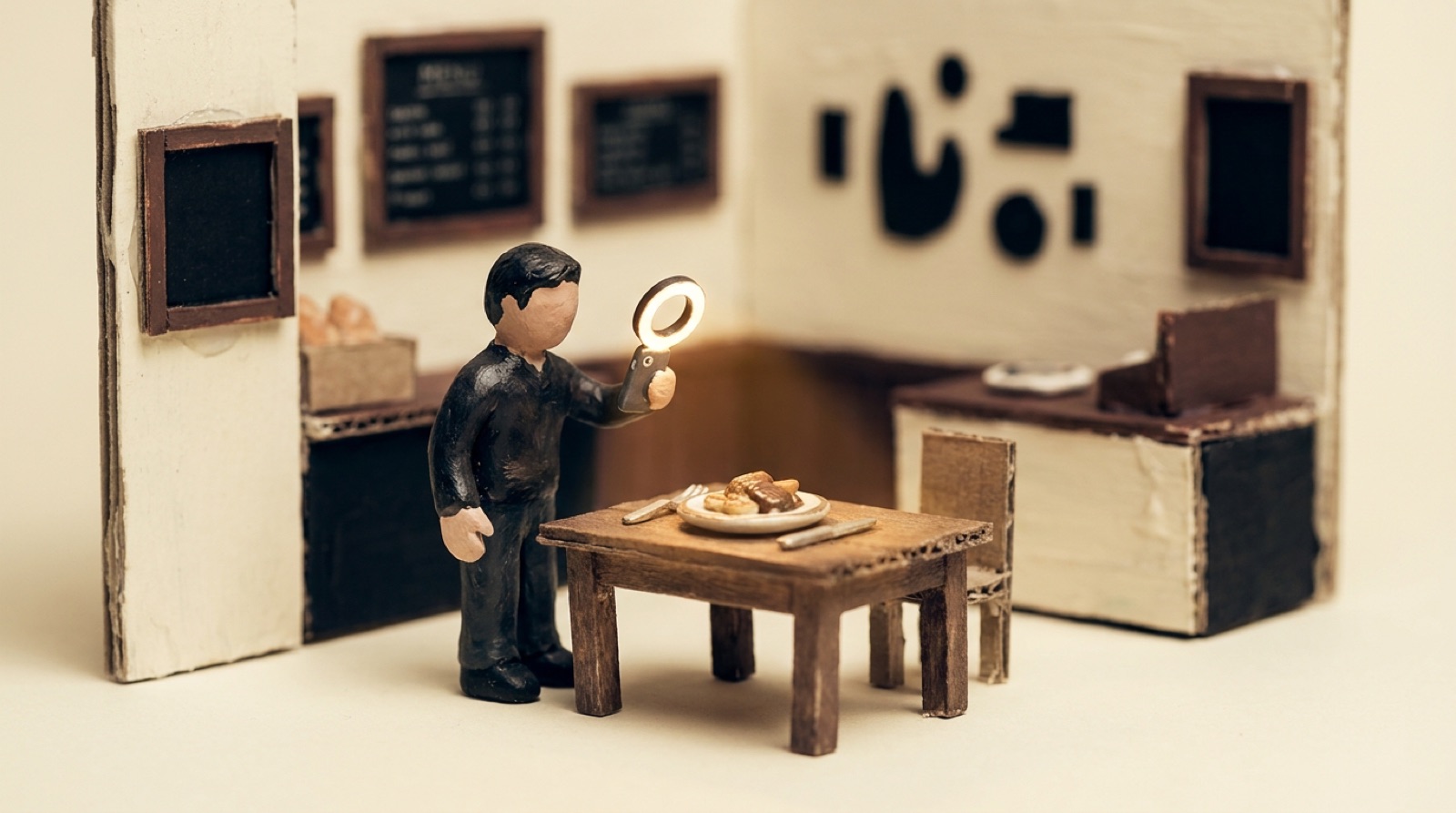
Running 360 ads for your restaurant does not mean blasting people with coupons. It means building a steady, trust-based relationship with two audiences: people who have never heard of you, and people who already know you exist. Do that right, and when you finally ask for the sale, your customers say yes far more often.
Here are the five steps.
Step 1: Pixel Your Audience First
A pixel is a small piece of code that marks every person who visits your website, likes your Facebook post, comments on your Instagram, or simply scrolls past your profile. Think of it like painting a blue mark on someone’s forehead the moment they walk into your restaurant. That mark stays. Next time you want to reach them, you know exactly who they are.
This is the foundation of every Facebook and Instagram ad you will ever run. Without the pixel, you are advertising blind.
The single most important thing to understand: set up your pixel right now, even if you have zero intention of running ads today. Once the code is live, your website and social profiles start collecting data automatically. Two months from now, when you are ready to launch a campaign, you will have an audience of warm, pre-qualified people already waiting. If you wait until you are ready to advertise before installing the pixel, you lose all that time and data. You cannot get it back.
If you are not comfortable setting up the pixel yourself, find someone who knows Facebook Ads and have them do it. Your job is to understand why it matters and to make sure it gets done.
Step 2: Deliver Value, Not Promotions
People hate being sold online. The entire point of your 360 ads is to increase the frequency of touch points so your restaurant stays top of mind. That is it. You are not trying to close a sale with every post. You are just showing up, consistently, in front of people who have shown some interest in what you do.
So what do you actually show them? Use the 7 Ps of value:
Personal stories. Why did you open this restaurant? Is it your grandmother’s recipe? Share that.
Personal values. Do you value family, community, or sustainability? Let people see what drives you.
Positioning. What makes you different? Do you source ocean-wise fish? Win any awards? Say so.
Proof. Customer testimonials are the most powerful content you have. Real people saying real things about your food beats any ad copy you will ever write.
Process. Show how your chef preps a dish, or how you pick ingredients at the local farmers market. Transparency builds trust faster than any promotion.
Problem. Name the specific problem you solve. If you run a poke spot in a busy downtown core, the problem is simple: people want a fast, healthy lunch with no fuss. Name it. Then show how you solve it.
PR. If a publication, blogger, or media outlet has covered you, amplify that content in your ads. Third-party credibility is free authority.
Create 60 pieces of value content based on these seven categories. That sounds like a lot. It is not. You can write a caption on your phone in five minutes, or record a 30-second video with no production setup at all. Authenticity drives trust. High production value is not required.
Step 3: Set Your Parameters
You are running ads to two distinct groups, and you treat them differently.
Cold leads are people within roughly 5 kilometers of your restaurant who have never engaged with you. They do not know you exist. Your goal with cold ads is simple awareness. Target people in that radius who have interests that complement your concept, such as following food accounts or identifying as foodies. Spend $5 per day on this group.
Warm leads are people who have liked your page, commented on your posts, visited your website, or are friends with people who follow you. They have already shown interest. Your pixel has been tagging them since the day you installed it. Spend $5 per day nurturing this group.
For duration, nurture your warm leads for up to 60 days. Set ads to show once per day, and run placements on both Facebook and Instagram simultaneously.
Two metrics matter most when you are monitoring performance. CPM (cost per thousand impressions) tells you how much it costs to get your ad in front of 1,000 people. CPM typically ranges from $10 to $30 depending on your market and audience. CPC (cost per click) tells you how much each click on your ad costs, often $1 to $3 per click. If your ad resonates with people, both numbers go down because the platforms reward engagement with cheaper distribution.
You do not need to master these numbers yourself. What you do need is to understand what they mean so that when you hire someone to run your ads, you can tell whether they are doing a good job.
Step 4: Launch, Monitor, and Cut What Does Not Work
Once your campaigns are live, you test everything. Run multiple ads at the same time with different captions, different images, and different videos. The data tells you what works. There is no guessing required.
Cut the ads that cost more to show. If a piece of content is not getting engagement, the platform charges you more to force it in front of people. That is the signal to stop running it. Keep the ads that perform cheaply and well. Test new creative against your current winners every two months. Maybe video outperforms static images for your audience. Maybe a close-up photo of your dish beats a lifestyle shot. You will not know until you run the test.
The one thing you must not do is run one ad and declare it a failure or a success. Running 360 ads is a testing process by design. Commit to it.
Step 5: Pour Gasoline on What Is Working
Once your campaigns are running and you have built up a warm, nurtured audience, that is when you introduce contests, events, and time-sensitive promotions. Not before.
The logic is straightforward. You have been showing up for these people consistently, delivering value with zero hard selling. They trust you. Now when you announce a Father’s Day event, a grand opening, or a limited-time menu item, the likelihood that they take action is far higher than it would have been if you had cold-pitched them from day one. The nurture work earns you the right to ask.
This is the “value, value, value, then ask” rhythm. You give, give, give, and then when you ask, your audience responds because you have built a real relationship, not a one-sided marketing blast. That is why promotions at restaurants that run 360 ads consistently outperform those that do not.
Layer your 360 ads on top of your influencer outreach, your PR, and your in-person events. Each channel amplifies the others. The ads keep you in front of people between every other touchpoint you create.
The Bottom Line
Install the pixel today, deliver value before you ever ask for anything, and let the data tell you what content to keep running. The restaurants that win with Facebook and Instagram ads are not the ones with the biggest budgets. They are the ones that show up consistently, test relentlessly, and only ask for the sale after they have earned trust. Trust is the only reason anyone will ever buy from you.
Watch the full video
Source — YouTube · the full breakdown, free
Tool — free · not sponsored, I built it
Want your exact numbers for a restaurant? The free calculator runs your cost to open, the ×1.4 cash reserve, and your break-even in about 30 seconds. Prefer paper? The One-Page Fundable Business Plan is the printable version.
Run your numbers →Questions owners actually ask
What is a Facebook pixel and why does a restaurant need it?
A pixel is a small piece of code placed on your website and linked to your social profiles. It marks every person who visits your site, engages with your Facebook or Instagram content, or clicks on your posts. Once they are marked, you can show ads specifically to those people. Without it, you have no ability to retarget anyone who has already shown interest in your restaurant.
How much should a restaurant spend on Facebook and Instagram ads to start?
Start with $5 per day for cold audience ads targeting people within roughly 5 kilometers of your location, and $5 per day for warm audience nurturing ads targeting people who have already engaged with you. That is $10 per day total as a starting point while you learn what content performs best.
What is the difference between a cold audience and a warm audience for restaurant ads?
Cold audiences are people in your area who have never interacted with your restaurant online. You target them by location and relevant interests to build awareness. Warm audiences are people who have already liked your page, visited your website, commented on posts, or are friends with your existing followers. They have shown intent and are far more likely to convert when you do run a promotion.
What kind of content should restaurants run in their ads if not promotions?
Use the 7 Ps of value: personal stories about why you opened, your personal values, your positioning and what makes you different, proof through customer testimonials, your process and how you make or source food, the specific problem you solve for customers, and any PR or media coverage you have received. The goal is to stay top of mind and build trust, not to sell on every post.
How long should a restaurant run nurturing ads before launching a promotion?
Nurture your warm leads for up to 60 days before running a hard promotional campaign. Show ads once per day across both Facebook and Instagram during that window. The sustained exposure builds the trust that makes your eventual ask far more effective.
What are CPM and CPC, and why do they matter for restaurant ad campaigns?
CPM is cost per thousand impressions, meaning what you pay to show your ad to 1,000 people. It typically ranges from $10 to $30 depending on your market. CPC is cost per click, typically $1 to $3 per click. If your content resonates with your audience, both numbers drop because platforms reward engaging ads with cheaper distribution. Monitoring these two metrics tells you whether your ads are working or wasting budget.
When is the right time to run a promotional campaign on top of 360 ads?
Run promotions, contests, and event campaigns after you have established consistent value-based advertising with your warm audience. Once people trust you from weeks of helpful, non-salesy content, a specific call to action for an event or special offer will perform significantly better than a cold pitch. Layering promotions on top of ongoing 360 ads is what creates explosive growth.
The Weekly Receipt
One brand story, one number, one answered question. 2 minutes, Tuesdays.
Free. Unsubscribe anytime, one click, no games.
You're in, friend. See you Tuesday.
Keep going: restaurant guides
How Much Does It Cost to Open a Restaurant? (2026 Complete Breakdown)
The real, itemized cost to open a full-service restaurant in 2026, including Wilson's x1.4 cash rule, break-ev
12 Restaurant Assets Every Owner Needs to Build
The 12 restaurant assets that build your brand, from logo to uniforms, ranked by priority before you open in 2
3 Tactics to Position Your Restaurant Brand for Growth
Awards, media features, and strategic associations are the three free tactics that build customer trust and po
3 Things to Know Before Opening a Restaurant (And What Happens If You Skip Them)
Wilson K Lee breaks down the three foundational principles every restaurant owner must master: know your numbe
360 Ads for Restaurants: How to Build Customer Touchpoints Across Every Channel
Learn how 360-degree advertising builds the 20 touchpoints your restaurant needs to turn strangers into custom
Low Labor Restaurant Concepts: Fast vs QSR Compared
Fast concept and QSR are the lowest labor restaurant concepts. See real costs, staffing needs, and revenue to
4 Actionable Steps to Prevent Your Restaurant from Going Bankrupt During a Crisis
Four concrete steps every restaurant owner needs to assess financial health, cut inefficiencies, secure fundin
5 Deadly Mistakes Every New Food Business Owner Makes
60% of restaurants fail in year one. Wilson K Lee breaks down the 5 deadly mistakes killing food businesses in