Restaurant · Guide Updated August 2026
How to Source Food Packaging on a Budget for an Early-Stage Food Business
In the early stages, skip the manufacturer and buy small quantities from local retail and craft stores or online retailers like Amazon. The per-unit cost is higher, but you avoid sitting on hundreds of dollars of packaging you may never use while you are still testing your concept. Save the custom, branded packaging for when you have a proven product and real, repeatable demand.
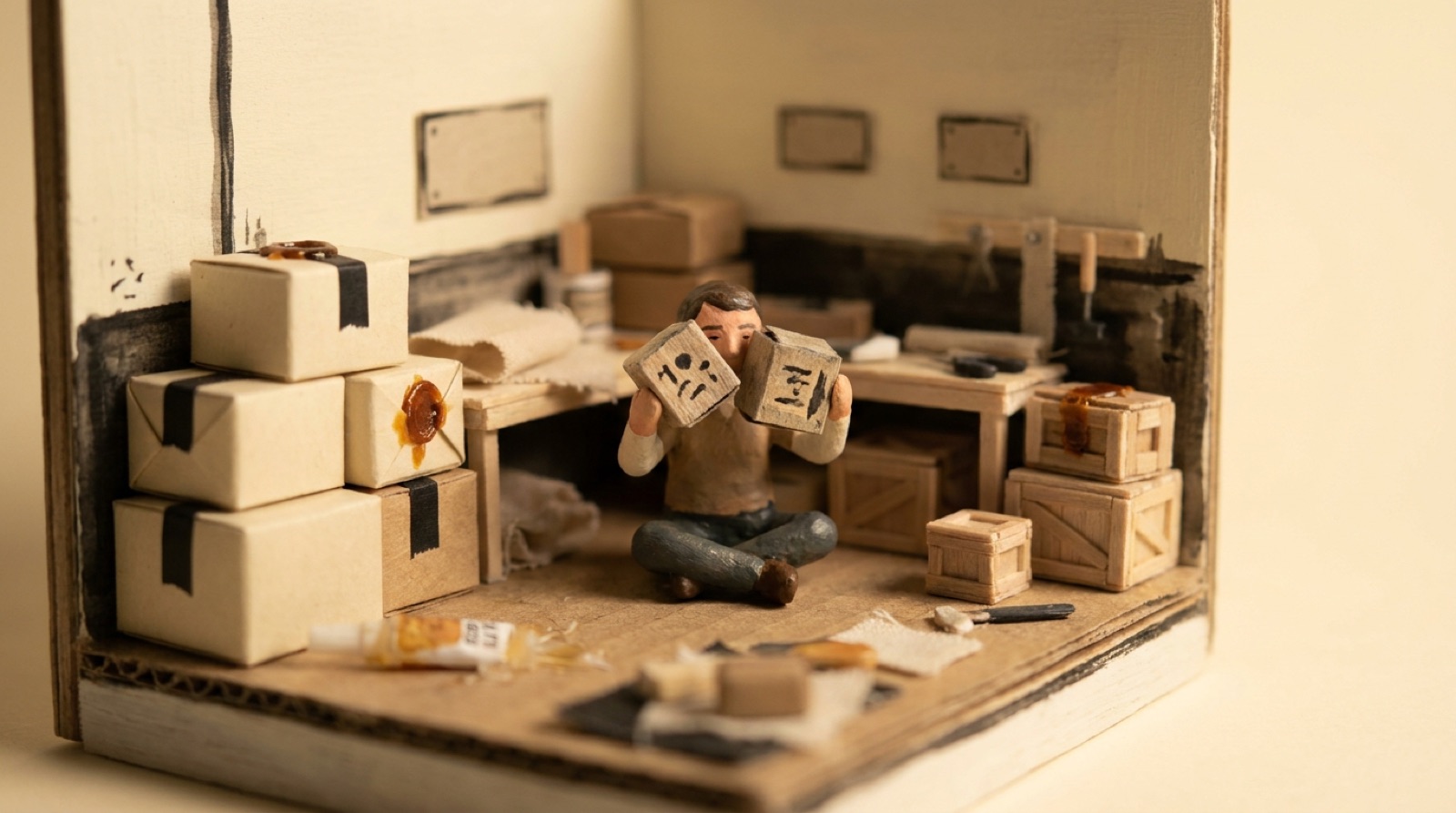
Starting out, the right packaging strategy is simple: buy small, buy local, and do not touch custom packaging until your product is proven. Most early-stage food entrepreneurs waste hundreds of dollars on packaging before they have sold a single unit. You do not have to be one of them.
Why Packaging Strategy Matters More Than You Think
Quality packaging is expensive. It also requires large minimum order quantities (MOQ). If you order from a manufacturer before your product is tested, you can easily be sitting on hundreds, if not thousands, of dollars of packaging at home, before you have made a single sale.
That is the real risk. You are not just spending money. You are spending money on something that could go straight to waste if you pivot your concept, tweak your product, or discover the market does not want what you are selling yet.
The goal at this stage is to get to market with the least possible investment while you find out whether people will actually pay you for your food concept. Packaging strategy is a direct part of that.
What Is MOQ and Why Does It Trap Early-Stage Operators?
MOQ stands for minimum order quantity. It is the smallest number of units a manufacturer will sell you in one order.
For well-known manufacturers, that number is often in the hundreds or thousands. A single bag style, for example, might require a 1,000-unit minimum at around 30 cents per unit. That sounds cheap per piece. But you are committing to hundreds of dollars on one packaging item alone, before you know if your product is final.
If you then decide to change your recipe, update your branding, or pivot your concept entirely, every one of those bags becomes waste. That is why manufacturer MOQs are a trap for early-stage businesses, not a deal.
Should You Ignore Manufacturers Completely?
No. Do not ignore them. Stop ordering from them for now, but absolutely research them.
Get quotes. Compare prices across multiple manufacturers. Ask for free samples, because most manufacturers will send them at no cost to you. Note down their MOQs and per-unit pricing. This becomes a real option later, once your product is tested, finalized, and people are ordering from you again and again. By that point you will have cash flow and predictable demand, so committing to a large order makes sense.
Right now, it does not.
Should You Customize Your Packaging Early On?
Do not customize your packaging yet. Full stop.
A lot of early-stage food entrepreneurs want to create a beautiful unboxing experience from day one, with custom-designed boxes, printed bags, and branded tissue paper. That instinct makes sense, but the timing is wrong.
Custom packaging is expensive and unnecessary until you have a hero product. Wait until items are flying off the shelf. Wait until your DMs are full of repeat orders. Wait until you have real traction. At that point you have the cash flow to support the investment and the demand to justify the volume commitment. Until then, custom packaging is just a bet you are making before you know the odds.
Where Should You Source Packaging Right Now?
Start with local retail stores
Craft stores, dollar stores, and places like Michaels carry a wide range of packaging options. The per-unit cost is higher than a manufacturer, but the total cost is lower because there is no MOQ. You can buy 10, 20, or 50 units at a time. You pick it up the same day. You test, you adjust, and you move.
Dollar stores in particular carry surprisingly great packaging options. Take the time to walk the aisles. You will find boxes, bags, and containers that work for a prototype version of your product at a fraction of the commitment.
Use online retailers for slightly larger runs
Amazon and online packaging companies are your next option. The same bag that costs 30 cents per unit at 1,000-unit MOQ from a manufacturer might cost closer to double that on Amazon, but you can order just 50 units.
That math works in your favor at this stage. If you sell 25 to 30 units of your food concept and then realize you need to change something, you are not stuck with 950 leftover bags. You lose nothing. You pivot, you reorder, and you keep moving. The higher per-unit cost is the cost of flexibility, and right now flexibility is worth more than savings per piece.
How to Compare Your Packaging Options
Once you have done your research, build a simple comparison. List every packaging option you found, where it comes from, the unit cost, and any minimum quantity attached to it. Include the local store finds, the Amazon listings, and the manufacturer quotes you pulled for future reference.
This gives you a clear picture across all your options. You are not guessing which is cheaper. You are looking at total spend versus total risk, and making a real business decision from actual numbers.
Do this for every component of your packaging, not just the outer box. Bags, inserts, labels, and any secondary packaging should all go into the comparison.
Prototyping With Affordable Materials
Everything at this stage is a prototype. Use affordable materials from your local stores to create your first packaging versions. This is not your forever packaging. It is your market test packaging. It needs to be functional, presentable, and cheap enough that iterating does not hurt.
When people start ordering from you consistently, when demand is repeatable and your product is locked in, that is when you invest in a proper packaging design and commit to a manufacturer run. Not before.
The Bottom Line
Test first, spend second. Buy small quantities from local craft stores and online retailers while your product is still being validated. Research manufacturers and collect their quotes and samples now, but hold off on ordering until you have real, repeatable demand. Never customize packaging before you have a proven hero product. One operator maxim worth printing out: the cheapest packaging is the packaging you do not waste.
Watch the full video
Source — YouTube · the full breakdown, free
Tool — free · not sponsored, I built it
Want your exact numbers for a restaurant? The free calculator runs your cost to open, the ×1.4 cash reserve, and your break-even in about 30 seconds. Prefer paper? The One-Page Fundable Business Plan is the printable version.
Run your numbers →Questions owners actually ask
What does MOQ mean and why does it matter for food packaging?
MOQ stands for minimum order quantity, the smallest number of units a manufacturer will sell you at once. For well-known manufacturers, MOQs are often in the hundreds or thousands of units. Committing to that volume before your product is finalized means you can end up sitting on hundreds of dollars of packaging you cannot use if you pivot or change your concept.
When is the right time to order custom branded packaging?
Order custom packaging only after you have a proven hero product with consistent, repeatable demand. The signal to look for is your DMs filling up with repeat orders and items moving reliably. By that point you have cash flow to support the investment and volume to justify the manufacturer commitment.
Is it really worth paying more per unit on Amazon instead of going to a manufacturer?
Yes, at the early stage. A bag that costs roughly 30 cents per unit at a 1,000-unit manufacturer MOQ might cost close to double on Amazon, but you can order as few as 50 units. If you sell 25 to 30 units and then need to change your product or concept, you are not stuck with hundreds of leftover bags. The higher per-unit cost buys you flexibility, which is worth more than savings per piece right now.
Should I completely ignore manufacturers at the start?
No. Research manufacturers, get quotes, compare prices, and request free samples because most will send them at no charge. Record their MOQs and per-unit pricing. This information becomes useful once your product is tested and demand is proven, making a large-volume manufacturer order a smart move instead of a risky one.
Where are the best places to find affordable packaging for a food startup?
Start with local craft stores, dollar stores, and retailers like Michaels. They carry a wide variety of packaging with no minimum order requirement, so you can buy as few as 10 or 20 units at a time. Online retailers like Amazon are a strong second option for slightly larger quantities, still without the large MOQ commitment of a traditional manufacturer.
How do I compare packaging options to find the best one for my budget?
Build a simple comparison that lists every packaging option you found, its source, cost per unit, and any minimum order requirement. Include your local store finds, Amazon listings, and manufacturer quotes side by side. Looking at total spend versus total risk across all options gives you a real basis for a decision rather than a guess.
The Weekly Receipt
One brand story, one number, one answered question. 2 minutes, Tuesdays.
Free. Unsubscribe anytime, one click, no games.
You're in, friend. See you Tuesday.
Keep going: restaurant guides
How Much Does It Cost to Open a Restaurant? (2026 Complete Breakdown)
The real, itemized cost to open a full-service restaurant in 2026, including Wilson's x1.4 cash rule, break-ev
12 Restaurant Assets Every Owner Needs to Build
The 12 restaurant assets that build your brand, from logo to uniforms, ranked by priority before you open in 2
3 Tactics to Position Your Restaurant Brand for Growth
Awards, media features, and strategic associations are the three free tactics that build customer trust and po
3 Things to Know Before Opening a Restaurant (And What Happens If You Skip Them)
Wilson K Lee breaks down the three foundational principles every restaurant owner must master: know your numbe
360 Ads for Restaurants: How to Build Customer Touchpoints Across Every Channel
Learn how 360-degree advertising builds the 20 touchpoints your restaurant needs to turn strangers into custom
Low Labor Restaurant Concepts: Fast vs QSR Compared
Fast concept and QSR are the lowest labor restaurant concepts. See real costs, staffing needs, and revenue to
5 Deadly Mistakes Every New Food Business Owner Makes
60% of restaurants fail in year one. Wilson K Lee breaks down the 5 deadly mistakes killing food businesses in
4 Actionable Steps to Prevent Your Restaurant from Going Bankrupt During a Crisis
Four concrete steps every restaurant owner needs to assess financial health, cut inefficiencies, secure fundin