Restaurant · Guide Updated August 2026
How to Start a Restaurant From Home: Step-by-Step Guide
You cannot legally run a licensed dine-in restaurant out of your house, but you can start a real food business from your home kitchen and skip the roughly $969,000 average cost of opening a full restaurant in 2026. The steps are: pick a niche, check your local cottage food law, build a simple website and email list, and market consistently. Prove the concept at home first, then decide if you want to open a full restaurant later.
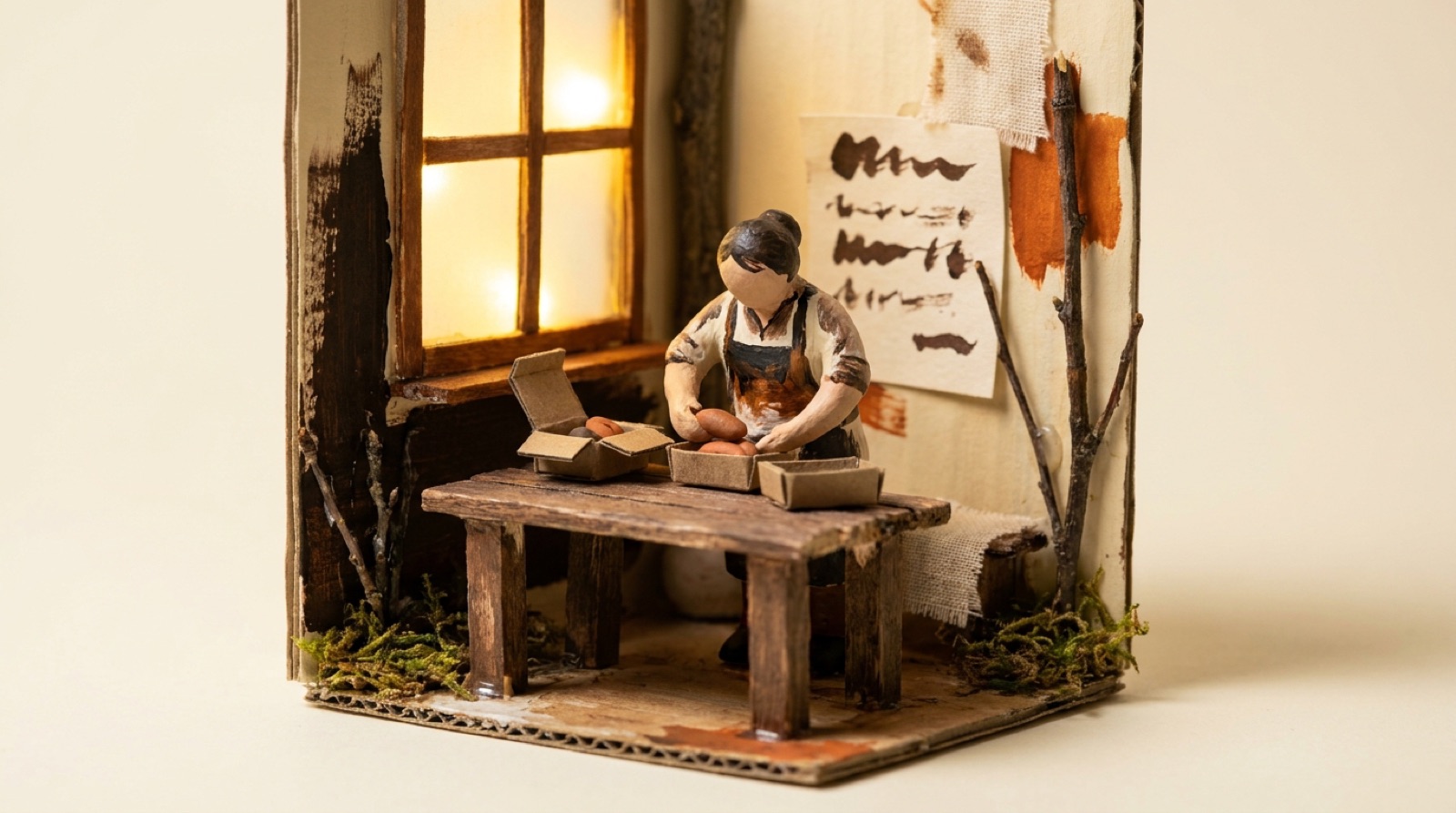
Starting a food business from your home kitchen is one of the most accessible ways to enter the industry. You skip the enormous capital requirements of a full restaurant, test your concept with real customers, and build momentum before you ever sign a lease.
Here is exactly how to do it.
Why Start a Food Business at Home Instead of a Restaurant?
Opening a full restaurant in the US costs roughly $969,000 on average as of 2026, with a realistic range of $727,000 to $1,211,500. Before you even sign a lease, you should have about $1,356,500 in accessible cash. That is a staggering commitment for a concept you have not yet proven.
A home-based food business changes the math completely. Your kitchen is already there. Your overhead is near zero. You can find out whether people actually want to pay for your food before you risk your savings or take on investors.
This is not a consolation prize. It is a smart sequencing decision. Many successful food brands started on a home stove and scaled from there.
What Kind of Food Business Can You Run From Home?
The most common home-based food businesses fall into a few clear categories: baked goods, specialty sweets and confections, prepared meal kits, sauces and condiments, and catering for small events.
The rule of thumb is to start with what you are genuinely passionate about. Passion sounds like a soft reason, but it is practical. When your first fifty orders come in on a Saturday morning and you are exhausted, passion is what keeps the quality consistent.
Pick one thing and get very good at it. Do not launch with fifteen products. Launch with two or three and make them remarkable.
What Are Cottage Food Laws and Why Do They Matter?
Cottage food laws are the regulations that govern what you can legally produce and sell out of a home kitchen. Every state in the US has its own version, and Canadian provinces have their own rules as well.
These laws typically define which food categories are permitted (usually shelf-stable items like baked goods, jams, and candies), set revenue caps in some states, and specify where you can sell (directly to consumers, at farmers markets, online, etc.).
Before you bake your first batch to sell, look up the cottage food law in your specific state or province. This is not optional. Operating outside these rules exposes you to fines and forced closure. A quick search for your state name plus “cottage food law” will get you to the official guidance fast.
Some states are very permissive. Others are restrictive. Know exactly where you stand before you take your first dollar.
How Do You Find Your Niche in a Crowded Market?
Your niche is the intersection of what you are great at making and what your local market is actually looking for.
Start by looking at what is missing in your city. If every bakery sells the same chocolate chip cookies, and nobody is offering a specific dietary option or a culturally distinct pastry, that gap is your opening.
Talk to people. Ask friends, neighbors, and coworkers what they wish they could find and cannot. Their answers tell you more than any market research report.
Then check whether people are searching for it. Look at what competitors in your area are selling and what they are consistently sold out of. Sold-out items are proof of demand.
Once you identify the gap, position yourself as the specialist, not the generalist. “The best gluten-free celebration cakes in the city” is a stronger position than “home baker, all occasions.”
How Do You Set Up Your Online Presence?
You need three things online before you start selling: a website, social media profiles, and an email list. That is it. Do not overcomplicate this phase.
For your website, use a platform built for food businesses that handles ordering and payments without a monthly subscription eating into your early margins. Square Online is a strong option because it has a free tier and is specifically designed to support food businesses. Make sure your site is mobile-responsive. Most of your customers will find you on their phones, and a site that does not work on mobile will cost you orders before they ever reach checkout.
Your website should have your menu, your prices, your ordering process, and a way for people to contact you. That is all you need to start.
For social media, pick the platforms where your target customers actually spend time. Instagram and Facebook are the baseline for most food businesses. Post consistently. Show the food, show the process, show the people behind it. Authenticity builds trust faster than polished ads.
Why Is Building an Email List Non-Negotiable?
Social media platforms can change their algorithms overnight. Your follower count can become meaningless if a platform decides to reduce your organic reach. Your email list is yours. Nobody can take it from you.
Start collecting email addresses from day one. Put a sign-up option on your website. Ask every customer if they want to be on your list. Offer something small in return, like a discount on their next order or early access to new items.
Then send emails consistently, on a weekly or biweekly basis. Update your subscribers on new products, seasonal specials, and availability. People who opted into your list want to hear from you. These are your warmest customers, and they will drive repeat business more reliably than any paid ad.
Consistent email contact also helps you stand out. Most small home-based food sellers do not send regular emails. The ones who do build a loyal customer base that feels connected to the brand.
How Do You Market Your Home Food Business?
Marketing a home food business is about showing up consistently in the right places rather than spending big on ads.
Start with your immediate network. Tell everyone you know. Ask for testimonials from your first customers. A genuine recommendation from a neighbor carries more weight than a sponsored post.
Post on social media at least three times a week. Use photos that show the food clearly, in good natural light. You do not need a professional camera. A phone in good light is enough.
Ask satisfied customers to share their experience on their own social media and tag you. User-generated content is free marketing, and it reaches new audiences who have never heard of you.
Once you have a rhythm with social and email, consider local opportunities: farmers markets, community events, and pop-ups. These put your food directly in front of new people and generate immediate feedback.
How Do You Handle Pricing and Keep Customers Coming Back?
Price your products to cover your ingredient costs, your time, and a profit margin. A common mistake among new home-based food sellers is underpricing out of insecurity. If your product is good, price it accordingly.
Calculate your cost per unit by adding up every ingredient, the packaging, and a fair hourly rate for your labor. Then apply a markup that leaves you with a real profit, not just a hobby revenue.
Keep customers coming back by being consistent in quality and reliable in delivery. If you say an order will be ready Thursday, it is ready Thursday. Trust is built through small, repeated actions over time.
Make the unboxing or pickup experience feel considered. A small handwritten note, clean and thoughtful packaging, or a sample of something new costs almost nothing and creates a memory that customers talk about.
The Bottom Line
A home-based food business is one of the lowest-risk, highest-learning ways to enter the food industry. Understand your local cottage food laws, nail one or two products before you expand, build your online presence with a website and email list, and market yourself consistently. The operators who succeed are not necessarily the ones with the most talent in the kitchen. They are the ones who show up, stay consistent, and treat every single order as if the whole business depends on it, because in the beginning, it does.
Can You Legally Start a Restaurant From Home?
No, not in the traditional sense. A restaurant serving dine-in customers needs a commercial kitchen, a health department permit, and licensing your home kitchen almost never qualifies for. What you can legally do is start a home-based food business under your state or province’s cottage food law, which lets you produce and sell certain foods, usually shelf-stable items like baked goods, jams, and candies, directly from your own kitchen.
This is not a lesser path. It is the smarter first step. Opening a full restaurant in the US costs roughly $969,000 on average as of 2026, with a realistic range of $727,000 to $1,211,500, and you should have around $1,356,500 in accessible cash before you even sign a lease. A home-based food business lets you test your concept, build a real customer base, and learn how to run operations with near-zero overhead first.
Before you sell anything, look up the cottage food law for your specific state or province. Rules on permitted food types, revenue caps, and where you can sell vary a lot, and operating outside them risks fines and forced closure.
Watch the full video
Source — YouTube · the full breakdown, free
Tool — free · not sponsored, I built it
Want your exact numbers for a restaurant? The free calculator runs your cost to open, the ×1.4 cash reserve, and your break-even in about 30 seconds. Prefer paper? The One-Page Fundable Business Plan is the printable version.
Run your numbers →Questions owners actually ask
Are cottage food laws the same across the US and Canada?
No. Every US state has its own cottage food law with different rules on permitted food types, revenue caps, and where you can sell. Canadian provinces have their own separate regulations as well. Before you sell a single item, look up the specific rules for your state or province. Search your location name plus 'cottage food law' to find the official guidance.
Do I need a professional website to start selling food from home?
No. You need a functional, mobile-responsive website that shows your menu, prices, and ordering process. Platforms like Square Online have a free tier designed specifically for food businesses. Most of your customers will find you on their phones, so a site that works on mobile is the one non-negotiable technical requirement.
Why should I build an email list instead of just focusing on social media?
Social media platforms can change their algorithms at any time, making your organic reach disappear. Your email list belongs to you and cannot be taken away by a platform update. Sending consistent emails to people who opted in drives repeat business more reliably than social media posts and keeps your most loyal customers engaged.
Should I start a home food business or jump straight into opening a restaurant?
Start at home first. Opening a full restaurant costs roughly $969,000 on average in the US as of 2026, with a realistic range of $727,000 to $1,211,500. A home-based business lets you prove your concept, build a real customer base, and learn operations with near-zero overhead before you take on that level of financial risk.
How many products should I launch with?
Start with two or three products, not fifteen. Get those products to a level where customers consistently rave about them before you expand the menu. Spreading your focus too thin in the early stage lowers quality and makes it harder to build a clear identity in your market.
How do I price my home-made food products correctly?
Calculate your cost per unit by adding up all ingredient costs, packaging, and a fair hourly rate for your labor. Then apply a markup that produces a real profit margin. The most common mistake new sellers make is underpricing out of uncertainty about their product's value. If the food is good, price it like it is.
Can you actually start a restaurant from home?
Not a licensed dine-in restaurant. Restaurants require a commercial kitchen and health permits your house cannot get. What you can legally do is start a home-based food business under your state or province's cottage food law, sell directly to customers, and use that revenue and experience to open a full restaurant later if you want one.
How do you start a restaurant from home step by step?
Pick two or three products you can make well, check your state or provincial cottage food law before you sell a single item, build a simple mobile-friendly website with a menu and ordering, start an email list from day one, and market on social media consistently. Price your products to cover ingredients, packaging, and your time, not just as a hobby.
The Weekly Receipt
One brand story, one number, one answered question. 2 minutes, Tuesdays.
Free. Unsubscribe anytime, one click, no games.
You're in, friend. See you Tuesday.
Keep going: restaurant guides
How Much Does It Cost to Open a Restaurant? (2026 Complete Breakdown)
The real, itemized cost to open a full-service restaurant in 2026, including Wilson's x1.4 cash rule, break-ev
12 Restaurant Assets Every Owner Needs to Build
The 12 restaurant assets that build your brand, from logo to uniforms, ranked by priority before you open in 2
3 Tactics to Position Your Restaurant Brand for Growth
Awards, media features, and strategic associations are the three free tactics that build customer trust and po
3 Things to Know Before Opening a Restaurant (And What Happens If You Skip Them)
Wilson K Lee breaks down the three foundational principles every restaurant owner must master: know your numbe
360 Ads for Restaurants: How to Build Customer Touchpoints Across Every Channel
Learn how 360-degree advertising builds the 20 touchpoints your restaurant needs to turn strangers into custom
Low Labor Restaurant Concepts: Fast vs QSR Compared
Fast concept and QSR are the lowest labor restaurant concepts. See real costs, staffing needs, and revenue to
4 Actionable Steps to Prevent Your Restaurant from Going Bankrupt During a Crisis
Four concrete steps every restaurant owner needs to assess financial health, cut inefficiencies, secure fundin
5 Deadly Mistakes Every New Food Business Owner Makes
60% of restaurants fail in year one. Wilson K Lee breaks down the 5 deadly mistakes killing food businesses in