Restaurant · Guide Updated July 2026
How to Use QR Codes to Market Your Restaurant
QR codes give restaurant operators a single, low-cost tool to replace printed menus, drive review volume, grow an Instagram following, and deliver time-sensitive coupons. More than 52% of U.S. restaurants had already moved away from traditional menus to QR codes to slow virus spread. The technology is simple: a customer scans a code with any smartphone and lands exactly where you want them, no app required.
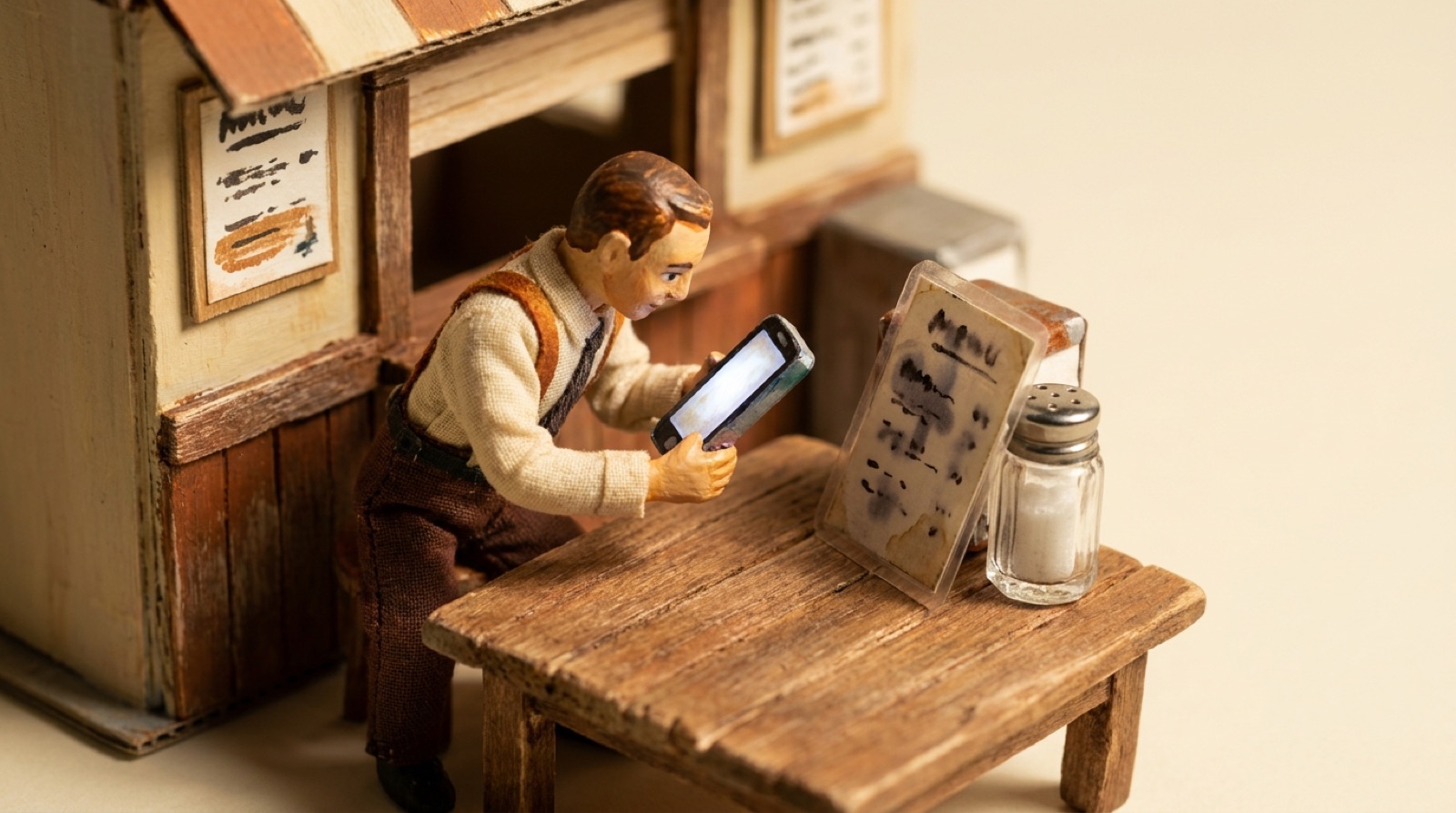
QR codes are the cheapest marketing tool most restaurant owners ignore. One code, stuck to a table or a delivery box, can show your menu, collect a five-star review, grow your Instagram, or hand out a time-sensitive coupon. Here is how each use case works and why it matters.
What Is a QR Code and How Does It Work?
QR stands for Quick Response. A customer points their phone camera at the barcode and their browser opens whatever you set on the back end. No app. No typing. It can be a menu, a PDF, a discount, a review page, a social media profile. You control the destination entirely from your dashboard.
That simplicity is the whole point. The less a customer has to do, the more likely they are to actually do it.
Why Digital Menus Are Not Optional Anymore
Menus are the single highest-touch surface in a restaurant. They get passed hundreds of times a day. Replacing them with a QR code is a hygiene win, but the bigger business case is what happens on the back end.
With a dynamic QR code, one code can serve a completely different menu depending on the time of day. A customer who scans at 10 a.m. sees your brunch menu. The same customer who scans at 4 p.m. sees your happy hour menu. You do not print anything new. You just update the digital menu in your dashboard, and every scan reflects the change immediately.
That means no more printing daily specials. No more laminating updated pages. No more throwing away menus because one item changed. According to Q Restaurant, more than 52% of U.S. restaurants had already made this switch. If your shop has not, you are now in the minority.
How QR Codes Get You More Reviews
Reviews move real money. A UC Berkeley study found that a half-star increase on Yelp, Google, or Facebook produces a 30 to 40 percent lift in 7 p.m. bookings. That is thousands of dollars per month from half a star.
The problem is friction. A customer finishes a great meal, fully intends to leave a review, gets home, and forgets. QR codes solve that by putting the review page one scan away while the experience is still fresh.
Here are three places to put your review QR code.
First, a tent card at the table. Train your servers to mention it when they drop the check. “If you enjoyed tonight, a quick scan takes you straight to our review page.” Done.
Second, the front cashier. Customers waiting to pay have idle hands and a phone already out. Put the code right in front of them.
Third, your delivery boxes. Stick a QR code on every package. When the order arrives and the customer is happy, they scan and review right there in their kitchen. You reduce every possible excuse not to leave feedback.
The pattern across all three is identical: remove the step where they have to search for you. You bring the destination to them.
How QR Codes Grow Your Social Media Following
One bar in Vancouver ran a campaign by linking their QR code directly to their Instagram profile. Customers scanned, landed on the page, and hit follow. That is it. No campaign budget, no ad spend, just a code on a table.
Here is why this matters. When customers follow your restaurant on Instagram, they become an audience you own and can market to anytime. When they post their own photos of your food and tag you, that is user-generated content reaching their entire network. Their friends trust their recommendations far more than they trust a paid ad.
People do not skip following you because they dislike you. They skip it because they get distracted. A conversation at the table, a trip to the washroom, a notification on their phone. The intention vanishes. A QR code that puts your Instagram profile one tap away closes that gap before the distraction wins.
How Dynamic QR Codes Run Time-Based Coupons
This is where QR codes move from convenient to genuinely powerful for marketing.
A dynamic QR code lets you display different offers at different times of day from a single printed code. Picture this: your breakfast customers scan and see 20% off pancakes. Lunch customers scan the exact same code and see 10% off pizza. Dinner customers scan and see 5% off pasta. One code. Three promotions. Zero reprinting.
You set the time windows in your dashboard. The code never changes physically. The offer it serves changes automatically.
This solves a real operational headache. Distributing multiple printed coupons is messy. Tracking which offer drove which customer is nearly impossible. With a dynamic code, your dashboard shows you exactly how many scans each offer received and when. You can test a lunch promotion for two weeks, see the data, and decide whether to keep it. That is real return on investment tracking, not guesswork.
The Bottom Line
Technology is only frustrating when it is complicated and expensive. QR codes are neither. One code handles your menu, your reviews, your social growth, and your promotions simultaneously. Your job is to place them where customers are already holding their phones and to reduce every possible step between a great experience and the action you want them to take. Make it easy, and most of them will do it.
Watch the full video
Source — YouTube · the full breakdown, free
Tool — free · not sponsored, I built it
Want your exact numbers for a restaurant? The free calculator runs your cost to open, the ×1.4 cash reserve, and your break-even in about 30 seconds. Prefer paper? The One-Page Fundable Business Plan is the printable version.
Run your numbers →Questions owners actually ask
What got Wilson K Lee into the food and restaurant space?
Wilson describes himself as a huge food lover who built 720 Sweets from a single shop to seven locations before selling it. That operator experience drives his belief that practical, affordable tools matter far more than expensive or complicated technology. His goal is to help aspiring and current restaurant owners build profitable businesses using the same real-world lessons he learned along the way.
Do customers need a special app to scan a restaurant QR code?
No. Any modern smartphone camera reads a QR code natively. The customer points their camera at the code and their browser opens the destination automatically. There is no app to download and no account to create.
How much does a half-star rating increase actually affect bookings?
According to a UC Berkeley study cited in the transcript, a half-star increase on Yelp, Google, or Facebook produces a 30 to 40 percent uplift in 7 p.m. bookings. That translates to thousands of dollars per month in additional revenue from a very small improvement in your rating.
Can one QR code show different menus or offers at different times of day?
Yes. This is called a dynamic QR code. You set time windows in your dashboard and the code serves a different menu or coupon depending on when it is scanned. The physical code never changes, only the content it delivers. This eliminates the cost of printing separate menus or distributing multiple paper coupons.
Where are the best places to put a review QR code in a restaurant?
Three placements work well. A tent card at the table lets your server mention it at the end of the meal. A code at the front cashier catches customers while they wait to pay. A sticker on delivery packaging reaches customers at home right after their food arrives. All three work on the same principle: put the review page in front of the customer before the moment of goodwill passes.
How widespread is QR code adoption in U.S. restaurants?
According to Q Restaurant data cited in the transcript, more than 52% of restaurants in the United States had already transitioned from traditional physical menus to QR codes. Operators who have not made the switch are now in the minority.
The Weekly Receipt
One brand story, one number, one answered question. 2 minutes, Tuesdays.
Free. Unsubscribe anytime, one click, no games.
You're in, friend. See you Tuesday.
Keep going: restaurant guides
How Much Does It Cost to Open a Restaurant? (2026 Complete Breakdown)
The real, itemized cost to open a full-service restaurant in 2026, including Wilson's x1.4 cash rule, break-ev
12 Restaurant Assets Every Owner Needs to Build
The 12 restaurant assets that build your brand, from logo to uniforms, ranked by priority before you open in 2
3 Tactics to Position Your Restaurant Brand for Growth
Awards, media features, and strategic associations are the three free tactics that build customer trust and po
3 Things to Know Before Opening a Restaurant (And What Happens If You Skip Them)
Wilson K Lee breaks down the three foundational principles every restaurant owner must master: know your numbe
360 Ads for Restaurants: How to Build Customer Touchpoints Across Every Channel
Learn how 360-degree advertising builds the 20 touchpoints your restaurant needs to turn strangers into custom
Low Labor Restaurant Concepts: Fast vs QSR Compared
Fast concept and QSR are the lowest labor restaurant concepts. See real costs, staffing needs, and revenue to
4 Actionable Steps to Prevent Your Restaurant from Going Bankrupt During a Crisis
Four concrete steps every restaurant owner needs to assess financial health, cut inefficiencies, secure fundin
5 Deadly Mistakes Every New Food Business Owner Makes
60% of restaurants fail in year one. Wilson K Lee breaks down the 5 deadly mistakes killing food businesses in