Restaurant · Guide Updated August 2026
Buying an Existing Restaurant: The Real Pros and Cons
Buying an existing restaurant gives you a proven revenue base, faster financing, and years of saved time, but you pay a premium and inherit the culture, team dynamics, and baggage of the previous owner. Whether it is right for you comes down to fit, integration, and honest due diligence. Building from scratch is cheaper upfront but slower; buying is more expensive and faster.
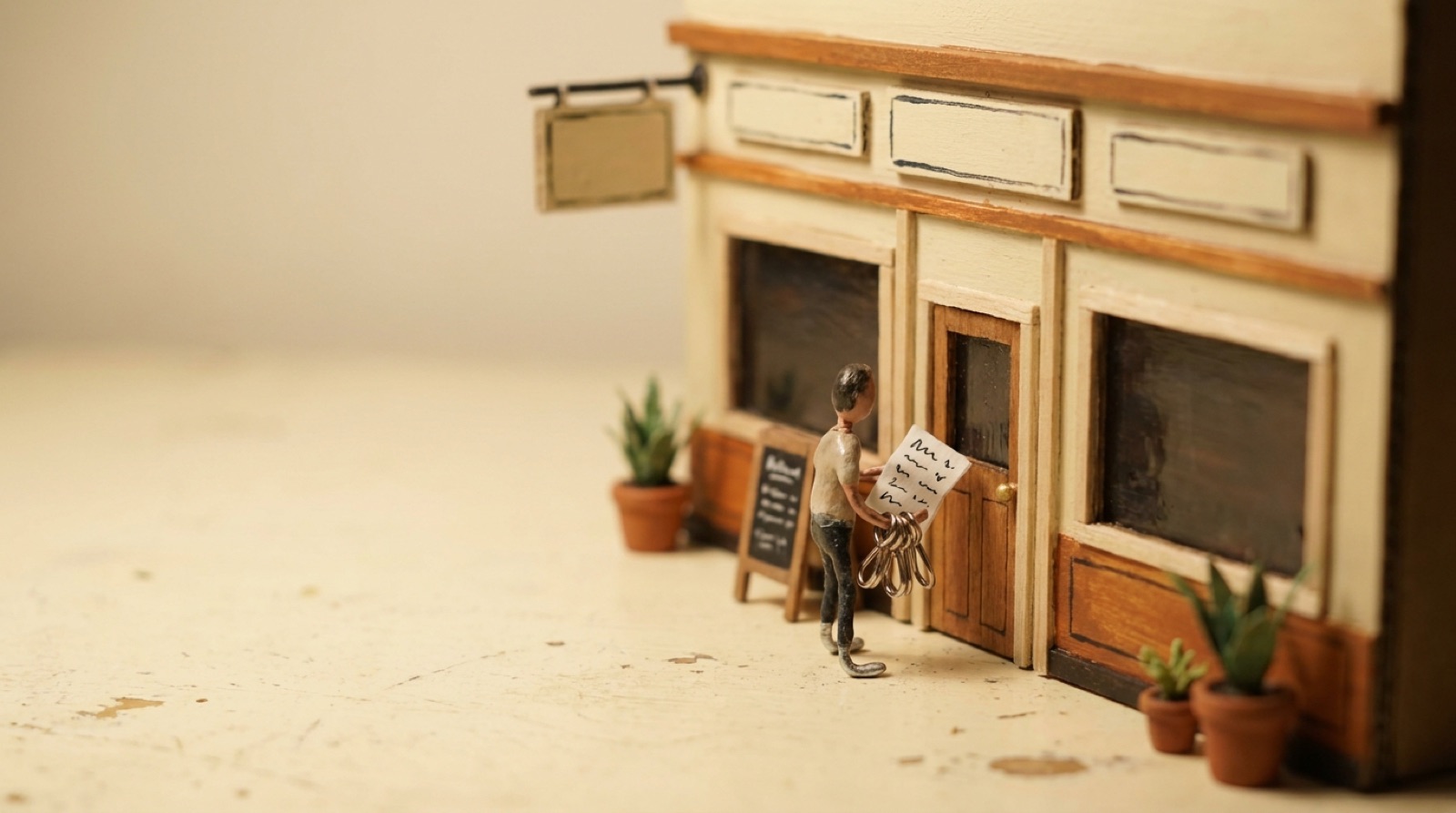
Buying an existing restaurant is buying time. You skip the months of construction, the painful ramp-up to find customers, and the guesswork around whether the concept works. You pay a premium for that, and the premium comes with real risks you have to manage. Here is exactly what you are trading when you choose to buy instead of build.
Pro 1: You Get a Proven Track Record
When you buy an existing restaurant, you are buying a base of customers that is already there. Whether that is $10,000, $20,000, or $30,000 per month coming in the door, that revenue exists before you touch a single thing. You do not have to spend months or years proving the concept works.
A friend of mine named Richard bought a poke shop that was generating $30,000 in cash every single month. He paid a premium, but he was profitable from day one. That padding gave him the breathing room to improve the menu, raise prices, and expand the range of items. The result: he doubled revenue to $60,000 per month. That kind of growth is possible because he was not spending his first year just trying to cover rent.
Starting from scratch, you build that customer base slowly. Buying one means you can spend your energy making it better, not just making it exist.
Pro 2: You Are Literally Buying Time
This is the single most important reason to consider buying a restaurant. Time is the one thing you cannot get back, and buying an existing operation easily shaves two to three years off your process. No waiting on city permits. No full build-out. No six-month ramp-up to find your first regulars.
Two to three years of your life is not a small thing. For most operators, that gap between opening and profitability is also two to three years of stress, losses, and personal financial strain. Buying an existing restaurant skips most of that.
Pro 3: Financing Is Easier
Banks have much more appetite for an existing restaurant than for a new one. The reason is simple: they can see the numbers. If $20,000 has come in every month for the past two years, a lender can use that as the basis for calculating their risk. Even in a worst-case scenario where you change nothing, that track record is there.
Build from scratch, and you are asking a bank to bet on a concept that does not exist yet. They know that 80% of food businesses fail within the first year. That makes them cautious, which means worse terms or no deal at all. An existing restaurant gives them the evidence they need to say yes.
Pro 4: You Get Market Intel Instantly
If you are new to the industry, buying an existing restaurant is the fastest education available. The previous owner shows you the suppliers, walks you through the unit economics, explains the seasonal patterns, and points out the pitfalls specific to that type of operation.
When someone buys into an ice cream concept like ours, we show them which machines to buy, where to source ingredients, the recipes, and the major mistakes operators make in that category. That cuts years of research and development out of your timeline. You are not figuring out the industry from scratch; you are inheriting a working playbook.
Con 1: Finding the Right Fit Is Hard
The economics can look perfect and the location can be ideal, but if the restaurant’s values clash with yours, the purchase will cost you more than you saved. Say the business is profitable but known for cutting corners on food quality. You care deeply about serving good food. The moment you start changing things to match your standards, you are changing the customer experience that built that track record. You are not buying a proven concept anymore; you are rebuilding one.
Finding an existing restaurant that actually aligns with your vision, your standards, and your personal goals is genuinely difficult. Do not buy a business just because the numbers work. Make sure you would be proud to run it the way it currently runs, or that you understand exactly what it will cost you to change it.
Con 2: Integration Challenges Are Real
Coming into an existing team as a new owner is one of the hardest parts of buying a restaurant. The staff has their way of doing things. You have yours. If the managers are not bought in, if the team does not respect the transition, or if you arrive with a completely different operating style, you create friction that slows everything down.
Richard’s integration went smoothly because he already had relationships with the team before he bought the business. That history made the transition natural. Without it, he would have been walking into a team that did not know him and had no reason to trust him yet. Your team runs the daily operations. If they are not with you, the business suffers regardless of what the financials said at closing.
Con 3: You Inherit Old Baggage
Every existing business comes with baggage. Supplier contracts you did not negotiate. Franchise agreements with terms you did not set. Staff culture built around someone else’s management style. Pending issues the previous owner never resolved.
When our ice cream business was acquired, the new buyer had to understand and work through our existing supplier relationships and franchisee agreements. Because we were transparent about all of it upfront, the transition was smooth. If we had hidden anything, it would have become a serious problem post-closing. Before you sign anything, map out every obligation, every relationship, and every unresolved issue. What you do not identify before closing becomes your problem after it.
Con 4: You Pay More Upfront
Buying a track record means paying a premium for it. You are not just buying equipment and a lease; you are buying the goodwill, the customer base, and the years of work the previous owner put in. That costs more than building from scratch.
On top of the higher purchase price, the revenue is not guaranteed to continue. Customers often have a personal connection to the original owner. When that person leaves, some customers leave too. The business you bought at a premium may not perform exactly as the historical numbers suggested. That is the risk you take.
Higher upfront investment plus no guaranteed return means your due diligence has to be thorough. Look at multiple years of financials. Understand why the owner is selling. Talk to the staff. Talk to regular customers if you can. Do not skip any of it.
The Bottom Line
Buying an existing restaurant is a faster path, not an easier one. You trade build-out time and financing headaches for a higher price tag, integration work, and inherited baggage. The operators who win at this are the ones who find a business that genuinely fits their values, do the due diligence to understand what they are inheriting, and build relationships with the team before the ink is dry. The maxim that matters here: you are not just buying a business, you are buying everything that came before you, good and bad.
Watch the full video
Source — YouTube · the full breakdown, free
Tool — free · not sponsored, I built it
Want your exact numbers for a restaurant? The free calculator runs your cost to open, the ×1.4 cash reserve, and your break-even in about 30 seconds. Prefer paper? The One-Page Fundable Business Plan is the printable version.
Run your numbers →Questions owners actually ask
What operating costs and cash reserves should I expect beyond the purchase price?
The purchase price is just one part of the equation. You still need working capital to cover payroll, supplies, utilities, and rent in the months after closing while you stabilize operations. As a planning framework for a full restaurant opening in 2026, operators should expect total project costs in the range of $727,000 to $1,211,500, with roughly 1.4 times that figure held in cash before signing. Even buying an existing operation, plan for several months of operating expenses on top of your purchase price before you can rely fully on incoming revenue.
Is it okay to buy a restaurant with no experience if there is a handover period?
A handover period helps significantly. One of the core advantages of buying an existing restaurant is that the previous owner can show you the suppliers, the unit economics, the recipes, and the common pitfalls of that specific type of operation. That education shortcut is a major reason to buy rather than build from scratch. That said, you still need to be genuinely engaged during that handover. The more questions you ask and the more time you spend in the operation before the seller steps away, the better your foundation.
How many years of financial history should I review before buying a restaurant?
The transcript emphasizes buying a proven track record as the primary advantage of purchasing an existing restaurant. Looking at multiple years of revenue gives you a picture of consistency, seasonality, and any downward trends that might signal a problem. One strong year can be an anomaly; two or three years of consistent monthly revenue gives you real confidence in the numbers. Always understand why the current owner is selling before you draw conclusions from the financials.
What should I do if the restaurant I want to buy has a pending lawsuit or legal issue?
Any unresolved legal matter is exactly the kind of old baggage the article describes. When the previous owner's ice cream business was acquired, the buyer identified all existing obligations and complications upfront, and transparency made the transition smooth. A pending litigation is a financial liability that transfers with the business if you are not careful about how the purchase agreement is structured. Have a lawyer review all pending legal matters before closing and get clear written terms on who is responsible for any existing claims.
Can Wilson consult on buying an existing restaurant?
Wilson K Lee has direct experience on both sides of a restaurant acquisition, having built 720 Sweets from one location to seven and then gone through the acquisition process as a seller. For consulting inquiries, reach out directly through wilsonklee.com. The specific terms and availability of consulting engagements are best discussed one on one.
The Weekly Receipt
One brand story, one number, one answered question. 2 minutes, Tuesdays.
Free. Unsubscribe anytime, one click, no games.
You're in, friend. See you Tuesday.
Keep going: restaurant guides
How Much Does It Cost to Open a Restaurant? (2026 Complete Breakdown)
The real, itemized cost to open a full-service restaurant in 2026, including Wilson's x1.4 cash rule, break-ev
12 Restaurant Assets Every Owner Needs to Build
The 12 restaurant assets that build your brand, from logo to uniforms, ranked by priority before you open in 2
3 Tactics to Position Your Restaurant Brand for Growth
Awards, media features, and strategic associations are the three free tactics that build customer trust and po
3 Things to Know Before Opening a Restaurant (And What Happens If You Skip Them)
Wilson K Lee breaks down the three foundational principles every restaurant owner must master: know your numbe
360 Ads for Restaurants: How to Build Customer Touchpoints Across Every Channel
Learn how 360-degree advertising builds the 20 touchpoints your restaurant needs to turn strangers into custom
Low Labor Restaurant Concepts: Fast vs QSR Compared
Fast concept and QSR are the lowest labor restaurant concepts. See real costs, staffing needs, and revenue to
4 Actionable Steps to Prevent Your Restaurant from Going Bankrupt During a Crisis
Four concrete steps every restaurant owner needs to assess financial health, cut inefficiencies, secure fundin
5 Deadly Mistakes Every New Food Business Owner Makes
60% of restaurants fail in year one. Wilson K Lee breaks down the 5 deadly mistakes killing food businesses in