Restaurant · Guide Updated August 2026
How to Use QR Codes to Build a Modern Restaurant Experience
QR codes are the simplest tool you have right now for reducing contact, building customer trust, and collecting data that helps you market smarter. More than 52% of US restaurants were already using them as of early 2021, and that number has only grown. Set them up for your menu, payment, contact tracing, hygiene tours, and reviews, and you cover every major touchpoint in the dining experience.
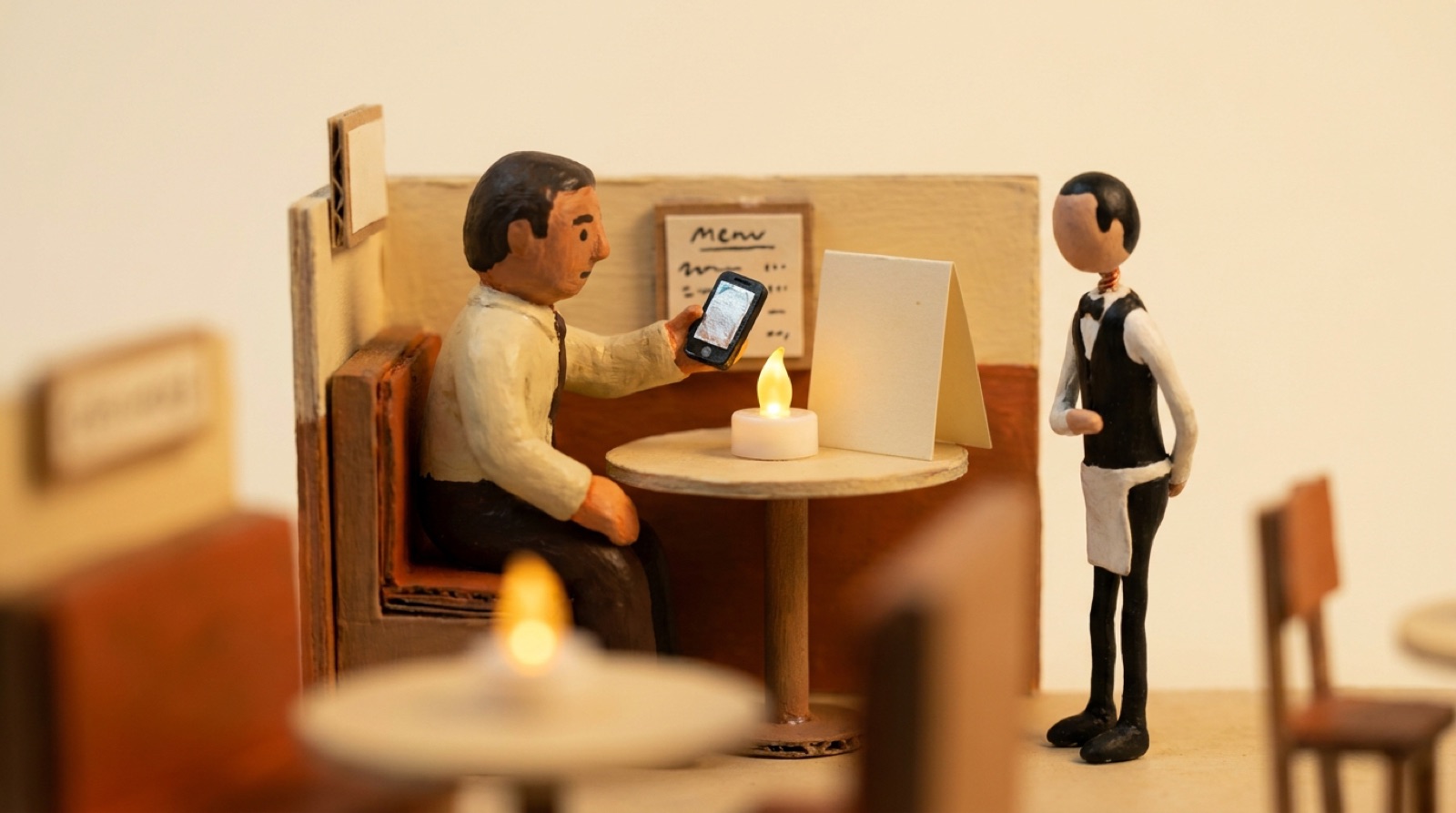
QR codes are not a gimmick. They are the fastest, cheapest way to strip physical contact out of your restaurant while giving customers something they actually want: convenience and a sense of safety. Here is exactly how to put them to work across every stage of the guest experience.
What Is a QR Code and Why Does It Matter for Your Restaurant?
A QR code stands for Quick Response code. It is a two-dimensional barcode that your customer scans with their phone camera. One scan sends them directly to a website, a menu, a video, a payment page, whatever destination you choose. No app required, no typing, no touching a shared surface.
Over 52% of restaurants across the United States had already adopted QR codes by early 2021. That number keeps climbing. If you are not using them yet, you are behind customers who now expect the experience.
How Do You Use QR Codes for Curbside Pickup?
Print a large QR code on a banner and hang it on the front of your building. A customer pulls into your parking lot, points their phone at the banner, and your menu loads instantly. They choose what they want, place the order, and your team brings the food out ten minutes later. No one has to come inside, no one touches a shared menu, and no one stands in a line.
If you have a storefront with foot traffic, put the QR code on your window. People can scan it from the sidewalk, through the glass, without ever walking in. The menu they see is always your most current one because you update the destination link, not the printed code.
This matters beyond just hygiene. Curbside with a QR code removes every friction point between a hungry customer and a completed order.
How Does Contactless Payment Work Through a QR Code?
When a table is ready to pay, send them a QR code instead of a printed bill. They scan it, land on your payment page, and complete the transaction on their own phone. No card handed to a server, no pen, no receipt folder passed back and forth.
The reason this is worth setting up goes beyond the practical. Right now, customer perception of safety is everything. Whether or not someone feels comfortable dining out depends on every small signal you send. A contactless payment option tells them you thought about their safety at every step, not just at the door.
Why Should You Use QR Codes for Contact Tracing?
Many local governments require restaurants to log the name, phone number, party size, and arrival time of every guest. The old way is a shared pen and a paper sheet at the front. That is a hygiene problem and a data management nightmare.
Replace it with a QR code at the entrance. Customers scan it, fill in their details, and the information goes straight to a cloud database. When a health authority asks for records, you export them in minutes. No illegible handwriting, no lost sheets.
The bonus is real: that same data becomes a marketing asset. You can see how often individual customers return, how large their parties are, and what they spend. That is the foundation of a loyalty and remarketing strategy you actually own.
What Is a Hygiene Virtual Tour and How Do You Make One?
A hygiene virtual tour is a short video, shot on your phone, showing customers exactly how you keep your kitchen and front-of-house safe. Walk them through your cleaning process, show how your team handles to-go orders, demonstrate how you prevent cross-contamination during food prep.
Upload that video to YouTube, generate a QR code that links to it, and put that code on your tables, your window, your website, and your social media. A customer who is still deciding whether to dine in can scan the code and see the evidence for themselves. You are not just telling them you are clean. You are showing them.
Telling customers about your hygiene practices is free marketing. Showing them builds trust that no amount of signage can replicate.
How Do QR Codes Help You Get More Reviews?
A half-star increase in your rating accounts for more than 30% more reservation orders. That single number should make reviews a weekly operational priority, not an afterthought.
The problem with review requests is friction. Most customers will not hunt down your Google or Yelp page on their own. Remove that step. Put a QR code on a small tent card at every table. One scan brings the customer directly to your review page. All they have to do is type their thoughts. No searching, no navigating, no excuses.
You can also place the same code near your exit so it catches guests as they leave, when the meal is fresh in their mind. That is the moment the honest, positive review gets written.
How Do You Tell Your Brand Story With a QR Code?
Your customers want to know who you are. A QR code on a table card, a takeout bag insert, or a promotional flyer can link to a video or article that tells your story: why you started, what you stand for, how you make decisions about food and service.
When a customer understands your values and feels connected to your journey, they become a loyal customer rather than a one-time visitor. Brand loyalty is built in small moments. A two-minute video they watch while waiting for dessert is one of those moments.
How Many QR Codes Is Too Many?
Use one QR code per purpose, not one QR code per table per purpose. If you stack five different codes on a single table tent, customers will ignore all of them. Group related actions, or stagger when you introduce each code. Start with the menu and payment codes because those serve every customer every visit. Add the hygiene tour and review codes once the first two feel natural to your team and your guests. The brand story code works best in takeout packaging, where customers interact with it at home on their own time.
The rule is simple: every code you display should have one clear purpose and one clear reason a customer would scan it right now.
The Bottom Line
QR codes cost almost nothing to implement and cover every major contact point in a restaurant visit: the menu, the payment, the check-in, the hygiene proof, the review, and the brand connection. The 52% of US restaurants already using them in 2021 were not early adopters chasing a trend. They were operators who understood that customer perception of safety is now as important as the food itself. Make your restaurant easy to trust, easy to order from, and easy to review, and the customers will keep coming back.
Watch the full video
Source — YouTube · the full breakdown, free
Tool — free · not sponsored, I built it
Want your exact numbers for a restaurant? The free calculator runs your cost to open, the ×1.4 cash reserve, and your break-even in about 30 seconds. Prefer paper? The One-Page Fundable Business Plan is the printable version.
Run your numbers →Questions owners actually ask
How do I generate a QR code for my restaurant?
You need a QR code generator that lets you create a dynamic code, meaning you can update the destination URL without reprinting the code. There are several platforms built specifically for restaurants that handle menu QR codes, payment links, and contact tracing forms in one system. Look for a service that stores your data securely on the cloud, especially for contact tracing records that may need to be shared with health authorities.
Can I use QR codes in the Philippines?
Yes. QR codes are a global standard and work on any smartphone camera regardless of country. The technology is the same everywhere: you create a code linked to a URL, your customer scans it with their phone, and it opens that page. You just need a QR code generator platform and a destination, such as a menu page or a Google review link, and you are set up.
Is there a point where you have too many QR codes at a table?
Yes. If you display too many codes at once, customers will scan none of them. Assign one code per clear purpose and introduce them in order of guest priority. Start with the menu and payment codes since every customer needs those. Add the hygiene tour and review codes once those first two are running smoothly. Put brand story codes in takeout packaging rather than on the table, where customers can engage with them at home.
How much can a better review rating actually move my business?
A half-star increase in your rating accounts for more than 30% more reservation orders, according to data shared in the source. That means hundreds or thousands of additional orders per week at a busy shop. Reducing the friction of leaving a review, by putting a direct QR code on a tent card at every table, is one of the simplest ways to steadily improve that rating over time.
What information should a contact tracing QR code collect?
Your contact tracing form should capture the customer's name, phone number, party size, and the date and time of arrival. This is the standard information most government and health authorities require. Storing it in a cloud-based system means you can export a clean, organized report instantly rather than trying to read handwritten paper logs under pressure.
Can I use a hygiene virtual tour to attract customers who haven't visited yet?
Absolutely. Post the QR code link on your website and social media, not just inside the restaurant. A customer who is still deciding whether to dine in can watch your hygiene video before they ever leave home. Showing your cleaning process, food prep standards, and how your team handles takeout orders gives undecided customers the confidence to choose your restaurant over one that only claims to be safe.
The Weekly Receipt
One brand story, one number, one answered question. 2 minutes, Tuesdays.
Free. Unsubscribe anytime, one click, no games.
You're in, friend. See you Tuesday.
Keep going: restaurant guides
How Much Does It Cost to Open a Restaurant? (2026 Complete Breakdown)
The real, itemized cost to open a full-service restaurant in 2026, including Wilson's x1.4 cash rule, break-ev
12 Restaurant Assets Every Owner Needs to Build
The 12 restaurant assets that build your brand, from logo to uniforms, ranked by priority before you open in 2
3 Tactics to Position Your Restaurant Brand for Growth
Awards, media features, and strategic associations are the three free tactics that build customer trust and po
3 Things to Know Before Opening a Restaurant (And What Happens If You Skip Them)
Wilson K Lee breaks down the three foundational principles every restaurant owner must master: know your numbe
360 Ads for Restaurants: How to Build Customer Touchpoints Across Every Channel
Learn how 360-degree advertising builds the 20 touchpoints your restaurant needs to turn strangers into custom
Low Labor Restaurant Concepts: Fast vs QSR Compared
Fast concept and QSR are the lowest labor restaurant concepts. See real costs, staffing needs, and revenue to
5 Deadly Mistakes Every New Food Business Owner Makes
60% of restaurants fail in year one. Wilson K Lee breaks down the 5 deadly mistakes killing food businesses in
4 Actionable Steps to Prevent Your Restaurant from Going Bankrupt During a Crisis
Four concrete steps every restaurant owner needs to assess financial health, cut inefficiencies, secure fundin