Restaurant · Guide Updated August 2026
4 Recession Survival Strategies from a $10M Restaurant
Canlis, a fine-dining restaurant in Seattle doing over $10M in annual revenue, survived COVID-19 by leaning on four strategies: building a strong team culture, making delivery a core offering, redesigning their menu specifically for delivery, and adopting the right technology. Any F&B operator, from a single-location mom-and-pop to a multi-unit group, can apply all four of these right now.
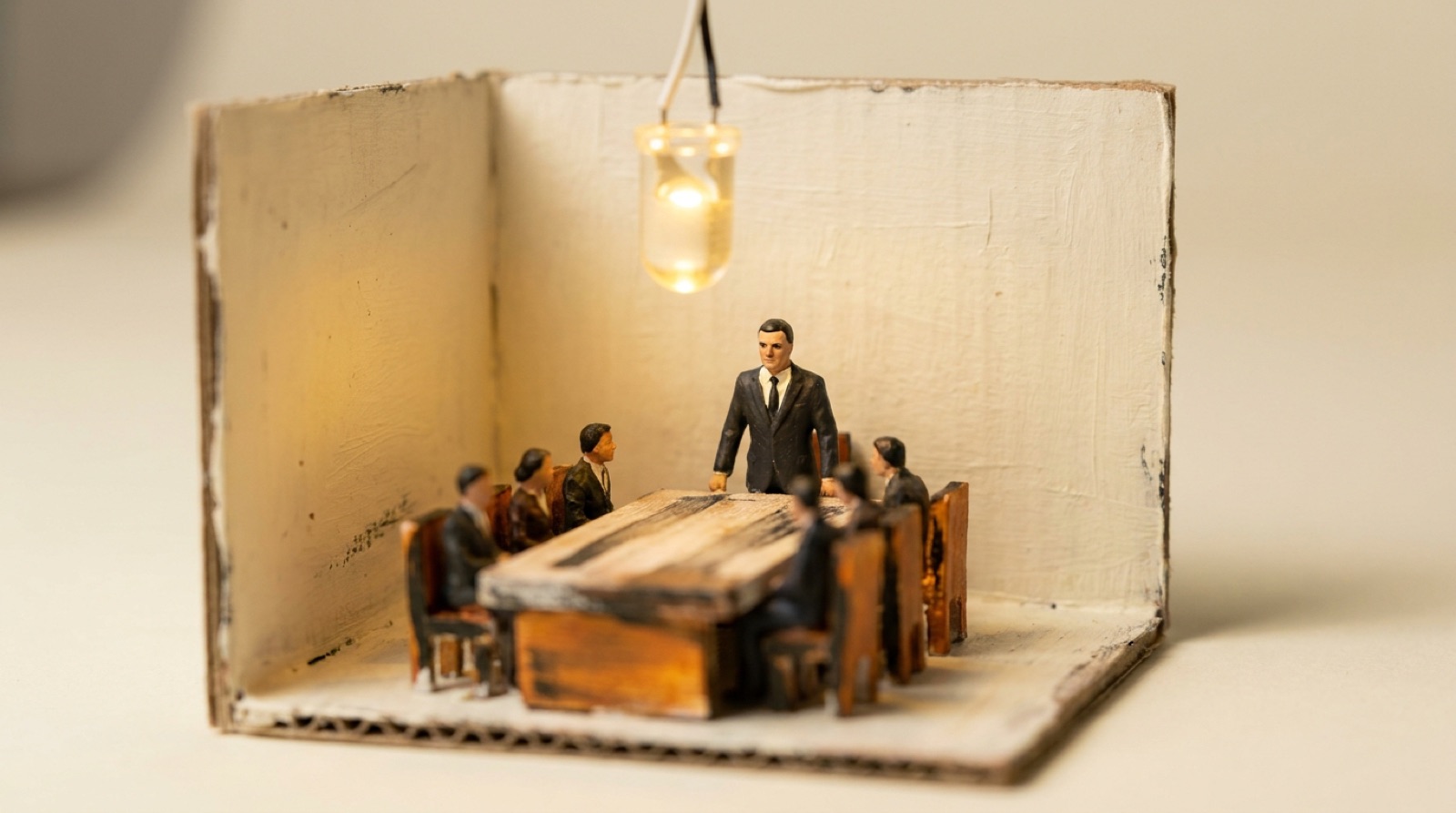
Canlis, a fourth-generation fine-dining restaurant in Seattle, earns over $10 million a year in revenue and employs more than 100 people. When COVID-19 hit, they ran over $500,000 per month in payroll with zero dine-in revenue. Instead of shutting down, they pivoted to delivery and started selling more than 1,300 units per day. Here is exactly what they did, and what you can copy.
Why This Restaurant Is Worth Studying
Canlis is not a casual concept. Their average ticket before the pivot was $130. They are a James Beard Award winner and have been ranked among the top 40 most important restaurants in the United States. They operate on reservations only. The entire experience is built around stimulating every sense from the moment a guest pulls into the parking lot to the last bite at the table.
Pivoting a restaurant like that is like trying to change the course of the Titanic. The fact that they pulled it off, and did it fast, means the lessons are worth taking seriously.
I had the chance to interview Mark, the operator behind Canlis, and I extracted the four strategies that made their pivot work.
Strategy 1: Build a Culture Before You Need It
When COVID-19 forced Canlis to close temporarily and recalibrate, team morale hit rock bottom. Over 100 people were suddenly out of work, scared, and uncertain. Mark did not call a company-wide meeting and deliver a motivational speech. He did not beg people to show up. He said something closer to this:
“There may be a road through this. It might look like a drive-through, a bagel, home delivery, or building CSA boxes. I don’t know what it looks like, but there is one avenue through. If you want in, you can have it.”
That was it. The team brought their own motivation.
The reason that worked is because Canlis had spent years building a culture where the restaurant exists to serve the staff’s goals, not the other way around. Mark’s operating philosophy is that Canlis is a vehicle to help his people live their lives and achieve their own goals. When the crisis came, the team trusted that. They showed up wearing masks and gloves, maintained social distancing, and kept the operation running because they believed in where they were going.
If you are leading from fear or from money, that approach collapses in a crisis. Nobody runs toward a burning building for a boss they do not respect. They run for a team and a mission they believe in.
Your one question to ask yourself right now: is your culture strong enough that your team would show up for you in the dark? If the answer is no, that is the first thing to fix. Not the menu, not the tech stack. The culture.
Strategy 2: Delivery Is No Longer Optional
Canlis built their entire identity around the in-person experience. The idea of a $130-per-head fine-dining restaurant doing delivery would have sounded absurd before 2020. Mark built it anyway.
He launched multiple delivery formats simultaneously: family meals, farm-to-table boxes, bottle service delivery, and a drive-through concept. He kept trying different formats until he found what the market wanted.
The point is not that you need to copy every format Canlis tried. The point is that waiting for conditions to return to normal before you act is a losing strategy. Even after dining rooms reopened, social distancing rules changed the math on capacity. The habits of customers shifted. Delivery went from a nice-to-have to a core revenue channel, and that did not reverse.
If you have not built delivery into your business model as a permanent fixture, do it now. Not as a temporary patch. As a core part of how your restaurant operates.
Strategy 3: Redesign Your Menu Specifically for Delivery
Most operators resist this one. They have spent years perfecting their menu. They have their grandmother’s recipe dialed in. They do not want to change anything while they are waiting for things to go back to normal.
That thinking will cost you the business.
Food that travels badly destroys your reputation just as fast as food that tastes bad in the restaurant. Fries and poutine, for example, get soggy inside a closed container before the delivery driver even pulls out of your parking lot. If you are still putting those items in your delivery bag without rethinking the packaging or the recipe, you are actively damaging your brand every time an order goes out.
There are two things to get right when designing a delivery menu.
First, choose items that hold. Foods that maintain their quality, texture, and temperature during transit. An enchilada holds. Delicate fine-dining plating does not. Mark said it himself: he was not trying to deliver Canlis-level fine dining in a box. He was building a menu that worked.
Second, do the math on your margins. Third-party delivery platforms take 20 to 30 percent off the top of every order. Food and beverage businesses typically run on margins around 10 percent. If you price your delivery menu the same as your dine-in menu and run through a third-party app, you can lose money on every single order. You need higher-margin items on your delivery menu, full stop.
Canlis solved both problems by creating comfort food at accessible prices. Their drive-through menu included burgers, fries, veggie melts, salads, and ice cream sandwiches priced at $4 to $14. That is a tenth of their usual ticket. It took guts to do that. It also resulted in lines around the block and sold-out days.
Keep the delivery menu simple. People in a crisis want comfort food, not a complex tasting experience. One clear offering, priced right, packaged well.
Strategy 4: Use Technology to Run the Operation
Canlis used two tools to manage their delivery surge.
The first was Tock, a delivery and reservation platform that charges a lower commission than major third-party apps like Uber Eats or Grubhub. Mark was not interested in handing 30 percent off the top to a platform, so he used Tock to take orders and handled the deliveries himself using his own team.
The second tool was Routific, a route optimization platform. When you have hundreds of delivery orders going out at once, Routific maps out the most efficient delivery routes so orders arrive on time without burning extra hours or fuel.
If you are not using technology in your restaurant yet, now is the time to start. An electronic point-of-sale system, for example, lets you track which menu items sell, forecast how many staff you need on a given shift, and manage inventory so you are not over-ordering. Things you do not measure, you cannot manage.
The specific tools will depend on your setup, but the principle is the same across all of them: technology removes guesswork. And in a tight-margin business like food and beverage, guesswork is expensive.
The Bottom Line
A $10M fine-dining restaurant selling burgers for $14 out of a drive-through window is proof that no operator is too big, too proud, or too established to adapt. The four strategies that made Canlis’s pivot work: culture first, delivery as a core business function, a menu designed for how the food actually travels, and the right technology to run it all. You do not need $10M in revenue to apply any of these. You need the willingness to move before you feel ready. The operators who survived were not the ones who waited for certainty. They were the ones who adjusted the rules while everyone else was still reading them.
Watch the full video
Source — YouTube · the full breakdown, free
Tool — free · not sponsored, I built it
Want your exact numbers for a restaurant? The free calculator runs your cost to open, the ×1.4 cash reserve, and your break-even in about 30 seconds. Prefer paper? The One-Page Fundable Business Plan is the printable version.
Run your numbers →Questions owners actually ask
I don't have the money to open a restaurant right now. What should I do?
Opening a full restaurant in the US currently runs roughly $727,000 to $1,211,500 in total costs, with a planning target of around $969,000 as of 2026. If you are not there yet, the first move is to build your knowledge base and your savings simultaneously. Wilson has noted that during downturns, landlords become negotiable: one operator in his network secured more than a year of free rent by negotiating during COVID-19. The gap between what you have and what you need is real, but so are the opportunities that open up when the market is soft.
What is the best way to learn how to use restaurant technology?
Start with a single tool that solves your most painful problem right now. If you are doing delivery, look at order management platforms that charge lower commissions than major third-party apps. If you need better labor and inventory control, an electronic POS system tracks traffic, menu performance, and inventory all in one place. Most platforms offer onboarding and support. The learning curve is shorter than the cost of not measuring your business.
Why does delivery hurt restaurant margins so much?
Third-party delivery platforms typically take 20 to 30 percent off the top of every order. Since most food and beverage businesses run on margins of around 10 percent, selling through those platforms at your standard prices means you can lose money on every single order. The fix is to build a separate delivery menu with higher-margin items, or use a lower-commission platform and run your own drivers, which is exactly what Canlis did during their pivot.
Does a fine-dining restaurant really need to offer delivery?
Canlis is the answer to that question. A restaurant doing $10M a year with a $130 average ticket built a drive-through and delivery operation selling burgers for $14 and started moving more than 1,300 units per day. The insight is not that every fine-dining restaurant should become a burger joint permanently. It is that delivery needs to be a core operational capability in your business, not a fallback option you scramble to build in a crisis.
How do you build a strong team culture in a small restaurant?
Mark at Canlis frames the restaurant as a vehicle to help his staff achieve their own goals. He does not try to motivate people through fear or financial pressure. He asks what Canlis can do for each person's journey. When the crisis hit, his team showed up because they trusted that relationship. For a small operator, this starts with leading by example, being honest with your team, and making it clear that you are invested in their growth, not just their labor output.
The Weekly Receipt
One brand story, one number, one answered question. 2 minutes, Tuesdays.
Free. Unsubscribe anytime, one click, no games.
You're in, friend. See you Tuesday.
Keep going: restaurant guides
How Much Does It Cost to Open a Restaurant? (2026 Complete Breakdown)
The real, itemized cost to open a full-service restaurant in 2026, including Wilson's x1.4 cash rule, break-ev
12 Restaurant Assets Every Owner Needs to Build
The 12 restaurant assets that build your brand, from logo to uniforms, ranked by priority before you open in 2
3 Tactics to Position Your Restaurant Brand for Growth
Awards, media features, and strategic associations are the three free tactics that build customer trust and po
3 Things to Know Before Opening a Restaurant (And What Happens If You Skip Them)
Wilson K Lee breaks down the three foundational principles every restaurant owner must master: know your numbe
360 Ads for Restaurants: How to Build Customer Touchpoints Across Every Channel
Learn how 360-degree advertising builds the 20 touchpoints your restaurant needs to turn strangers into custom
Low Labor Restaurant Concepts: Fast vs QSR Compared
Fast concept and QSR are the lowest labor restaurant concepts. See real costs, staffing needs, and revenue to
5 Deadly Mistakes Every New Food Business Owner Makes
60% of restaurants fail in year one. Wilson K Lee breaks down the 5 deadly mistakes killing food businesses in
4 Actionable Steps to Prevent Your Restaurant from Going Bankrupt During a Crisis
Four concrete steps every restaurant owner needs to assess financial health, cut inefficiencies, secure fundin