Restaurant · Guide Updated August 2026
How to Build Loyal Restaurant Customers Through Educational Experiences
Hosting educational workshops, like a sushi-making class or a bartending course, turns casual customers into loyal fans by giving them a deep appreciation for what you do. It also fills slow days with paid, high-energy experiences instead of dead overhead. One bar operator made over $50,000 selling a packaged bartending course built entirely from his existing knowledge.
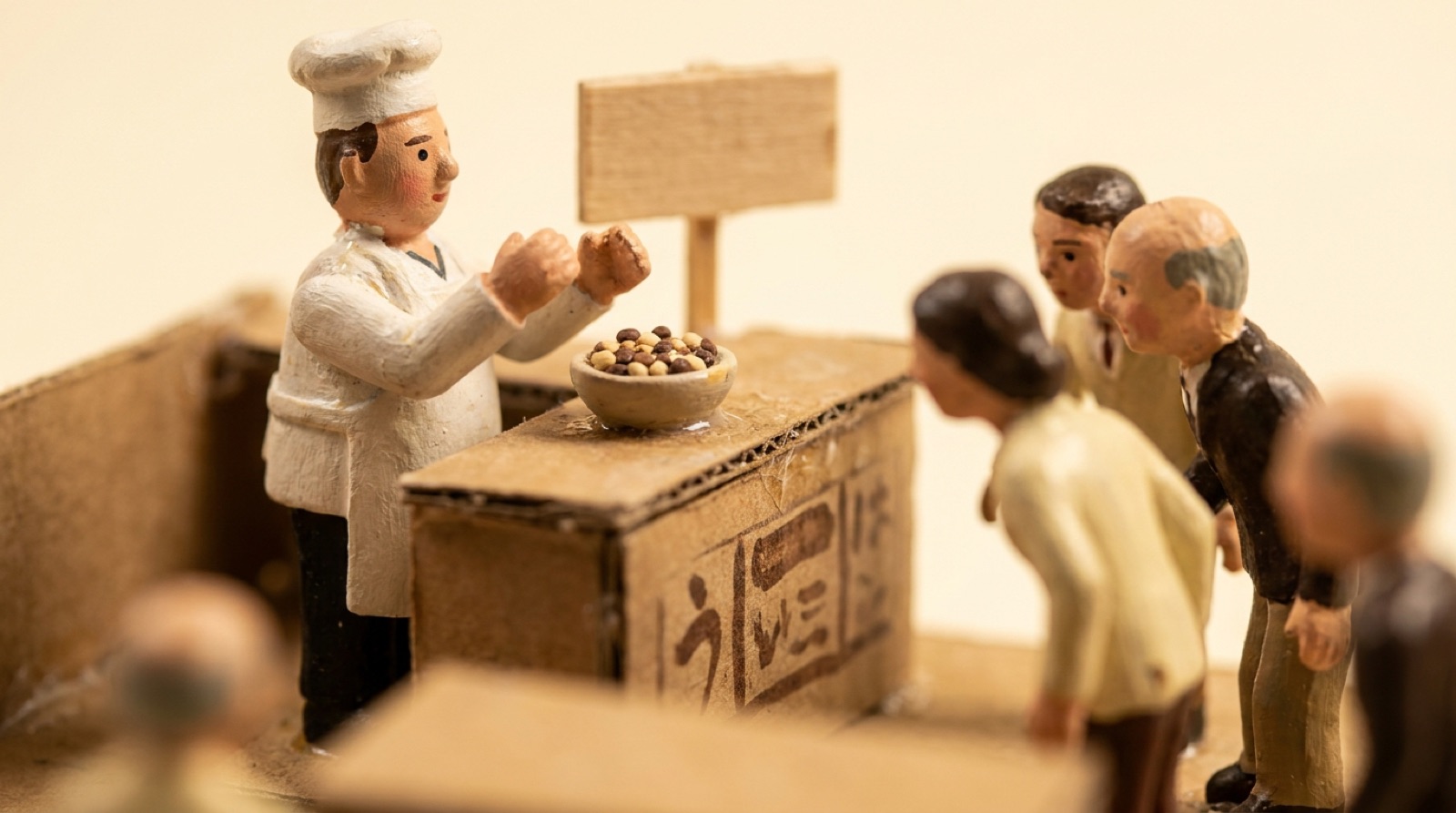
Loyal customers are not built by good food alone. They are built when people understand your craft, feel connected to your story, and leave your shop with a memory they want to share. Educational experiences, meaning workshops, classes, and packaged courses built around what you already do, are one of the most direct ways to create that connection.
What Is an Educational Experience for a Restaurant?
It is not a rebrand. It is not a side hustle. It is packaging the knowledge you already have into something a customer can participate in.
If you sell sushi, you run a sushi-making class. If you run a bar, you teach a bartending session. If you scoop ice cream, you walk a group through the origin of the product and the technique behind it. The experience lives inside your existing shop, uses your existing team, and draws on expertise you already hold.
Kyle, a bar operator I interviewed, built a full bartending course out of exactly this. He packaged his experience into a course he could sell to people who were curious about the craft. That single move generated more than $50,000 in revenue.
Why Does This Create Loyalty That Repeat Discounts Never Will?
Because it is high impact in a way that a loyalty punch card is not.
When a customer sits through your workshop, they see the ingredients, the technique, and the cost of doing things properly. They understand why your product is priced the way it is. That understanding kills price resistance. It replaces it with genuine appreciation.
At the same time, the experience is memorable. People come to workshops with friends and family. They laugh, they make something together, they feel a sense of accomplishment. That happiness gets attached to your brand. Every time they think about your restaurant afterward, they associate it with a good memory, and that pulls them back.
Kyle took this one step further. He gave every attendee a certificate of completion at the end of his bartending class. A physical certificate. That one detail created a viral loop: people wanted to finish the course so they could earn it, then they shared it, and new people signed up because of what they saw.
How Do Educational Workshops Fix Your Slow Days?
Monday and Tuesday are killers for most shops. The doors are open, the staff are clocked in, rent is running, and there is almost no one walking in. You are paying full operating costs for minimal revenue.
A workshop solves this without adding headcount or new equipment. You schedule the class on the day that would otherwise be dead. You charge an entry fee. You fill that room with people who chose to be there and are already invested in enjoying themselves.
At my ice cream shops, we ran workshops on Mondays and Tuesdays specifically for university students and student clubs. We walked them through the origin of ice cream, the recipes, the technique. Those sessions covered the slow-day rent and, more importantly, converted attendees into repeat buyers who came back on busy days because they felt connected to what we were building.
Dead time became paying time. Strangers became regulars.
How Do Workshops Help You Keep Good Staff?
This one surprises operators. Workshops are not just a customer tool. They are a staff retention tool.
Your best baristas and bartenders and kitchen staff are skilled at what they do. During a slow shift with no foot traffic, they have no one to show that skill to. They cannot be proud of their craft in an empty room.
Bring in a group of workshop attendees who are excited and curious, and everything changes. Your team gets to explain, demonstrate, and be acknowledged. They feel important. They feel valuable. That feeling creates accountability and belonging, and both of those things keep people on your team longer.
Staff retention is expensive to ignore. If a workshop session helps a skilled employee feel seen and stay another year, the payoff on that alone is significant.
How Does This Build a Real Community Around Your Brand?
A transaction is one moment. An educational experience is a conversation.
When customers come in for a workshop, you have their full attention. You can tell them your story, explain your values, share your humble beginnings, and walk them through what you are trying to build. That is not something you can do at a counter during a lunch rush.
When people buy into your vision, they become advocates. They are not just buying your product because it is convenient. They are supporting what you stand for. That is the difference between a customer and a loyal fan, and it is the difference between someone who might come back and someone who will always come back.
The community you build this way also becomes self-reinforcing. Workshop alumni talk to each other. They bring new people. They feel ownership over something they participated in creating.
The Bottom Line
Educational experiences turn the assets you already have, your space, your team, your knowledge, into a second revenue stream and a loyalty engine. You do not need a new location or a new product. You need to open the door and let curious people in. As a rule of thumb for any F&B operator: if you can teach it, you can charge for it, and the customers who pay to learn will almost always pay to come back.
Watch the full video
Source — YouTube · the full breakdown, free
Tool — free · not sponsored, I built it
Want your exact numbers for a restaurant? The free calculator runs your cost to open, the ×1.4 cash reserve, and your break-even in about 30 seconds. Prefer paper? The One-Page Fundable Business Plan is the printable version.
Run your numbers →Questions owners actually ask
How much money can a restaurant make from educational workshops?
One bar operator I interviewed, Kyle from Nimble, generated more than $50,000 by packaging his bartending knowledge into a course he sold to interested customers. The number varies by concept and pricing, but the model works because you are monetizing knowledge and space you already own.
What kind of restaurants can run educational experiences?
Any restaurant with a defined craft can do this. The transcript gives examples of sushi-making classes and bartending courses, and Wilson's own ice cream shops ran workshops on the origin of ice cream and swirling technique. If your product requires skill to make, there is an audience that wants to learn.
When is the best time to schedule restaurant workshops?
Schedule them on your slowest days, typically the weekdays where foot traffic is lowest. At Wilson's ice cream shops, workshops ran on Mondays and Tuesdays specifically to convert dead overhead into paid revenue. The goal is to fill time you are already paying for.
Do educational workshops actually increase repeat customer visits?
Yes. Customers who attend a workshop leave with a deeper appreciation for the product and a positive memory tied to your brand. At Wilson's shops, university students who attended ice cream workshops came back as regular paying customers on normal business days. The experience creates the emotional connection that drives return visits.
How do workshops help with staff retention?
Skilled staff need an audience for their craft. During slow shifts, they have no one to engage with. Workshop attendees give your team a reason to demonstrate their skills and feel valued. That sense of purpose and acknowledgment builds accountability and belonging, which keeps employees on your team longer.
What is a workshop completion certificate and why does it matter?
Kyle gave every attendee a physical certificate after completing his bartending class. This created a sense of accomplishment that attendees shared with their networks, which brought new customers in to complete the same experience. It is a low-cost addition that turns a one-time attendee into a word-of-mouth channel.
The Weekly Receipt
One brand story, one number, one answered question. 2 minutes, Tuesdays.
Free. Unsubscribe anytime, one click, no games.
You're in, friend. See you Tuesday.
Keep going: restaurant guides
How Much Does It Cost to Open a Restaurant? (2026 Complete Breakdown)
The real, itemized cost to open a full-service restaurant in 2026, including Wilson's x1.4 cash rule, break-ev
12 Restaurant Assets Every Owner Needs to Build
The 12 restaurant assets that build your brand, from logo to uniforms, ranked by priority before you open in 2
3 Tactics to Position Your Restaurant Brand for Growth
Awards, media features, and strategic associations are the three free tactics that build customer trust and po
3 Things to Know Before Opening a Restaurant (And What Happens If You Skip Them)
Wilson K Lee breaks down the three foundational principles every restaurant owner must master: know your numbe
360 Ads for Restaurants: How to Build Customer Touchpoints Across Every Channel
Learn how 360-degree advertising builds the 20 touchpoints your restaurant needs to turn strangers into custom
Low Labor Restaurant Concepts: Fast vs QSR Compared
Fast concept and QSR are the lowest labor restaurant concepts. See real costs, staffing needs, and revenue to
4 Actionable Steps to Prevent Your Restaurant from Going Bankrupt During a Crisis
Four concrete steps every restaurant owner needs to assess financial health, cut inefficiencies, secure fundin
5 Deadly Mistakes Every New Food Business Owner Makes
60% of restaurants fail in year one. Wilson K Lee breaks down the 5 deadly mistakes killing food businesses in