Restaurant · Guide Updated August 2026
How to Get Free PR and Run an Influencer Launch Campaign for Your Restaurant
Free PR and influencer partnerships are the most cost-effective ways to generate real launch-day hype for a new restaurant or product. You earn press coverage by researching journalists who cover your competitors, crafting a sharp story angle, and handing journalists everything they need in one email. You build influencer buzz by hosting a VIP tasting event a few days before your launch, keeping expectations low and the experience high.
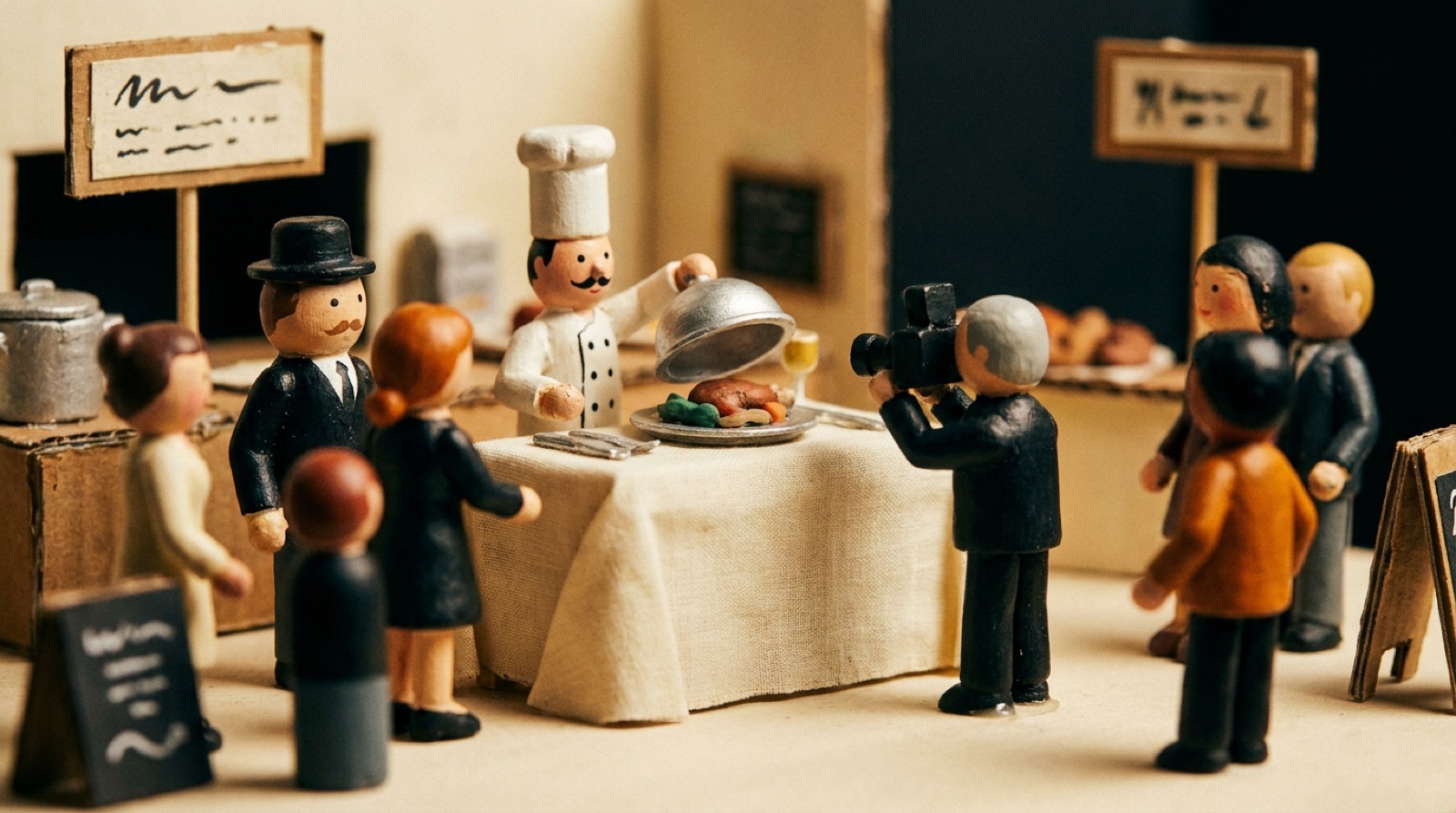
PR is free advertising that compounds. Every placement earns you backlinks, social proof, and a ripple effect where other outlets cover you simply because they do not want to miss the story. Influencers do something different: they transfer trust from their audience to your brand faster than any ad can. Run both at the same time, coordinated to hit during your launch window, and you create the kind of visible buzz that puts a line outside your door on day one.
Why PR Is Worth More Than Paid Ads at Launch
When a publication links to your website, Google treats your site as more credible. That means when someone searches “best ice cream in Vancouver,” you rank higher. That SEO value outlasts the article by years.
There is also the social proof angle. A potential customer who is on the fence will look you up before they visit. If they find multiple publications talking about you, their hesitation disappears. And then there is the ripple effect: one outlet runs a story, a second outlet sees it and does not want to be scooped, and suddenly you have coverage you never even pitched. That is why I always say PR is a gift that keeps giving. You put in the work once and the results multiply.
How Do You Find the Right Journalists to Pitch?
Start with your top competitors. Look up the biggest players in your category and search for their press coverage. For us at 720 Sweets it was Earnest Ice Cream. We typed their name and “press” and found the publications covering that space: Daily Hive, Scout Magazine, Eat Magazine, Straight, Edible Canada. Those are the outlets that cover ice cream shops in Vancouver. Your city has equivalents.
Once you have the publication list, click into each article. The journalist’s name is at the top. Click their byline and their bio page usually has their email, Twitter, and Instagram. If it does not, Google their full name alongside the publication name. Their email almost always surfaces that way.
Build a spreadsheet. Name, publication, email, recent articles they wrote. This list is the foundation of your entire PR outreach.
What Goes Into a Press Release That Actually Gets Picked Up?
Journalists get hundreds of pitches every day. Your press release needs to do their job for them. Hand them the story pre-written. Here is the structure I use:
Headline. This is your angle. Make it capturing. “World’s First Cannabis-Infused Soft-Serve Ice Cream” is a headline. It raises a question and demands you keep reading.
The problem. Why did this product need to exist? For that campaign, the answer was that the ice cream scene had grown boring.
The solution. How did you solve it? In that case: we extracted THC and put it in ice cream.
A quote. Give them a pull quote they can drop directly into their article. Make it punchy.
Data. Any numbers, research, or context that supports your story.
Call to action. What do you want them to do next? Visit the shop, attend the event, try the product?
Summary. One tight paragraph that recaps everything above.
Here is something worth knowing about that cannabis ice cream campaign: the product was not even real. We created it as a deliberate creative stunt, timed to send on March 27 so it would land in front of journalists just before April 20. It became one of our most successful campaigns, and it worked because the angle was irresistible. No journalist wanted to ignore it.
Paste the press release directly into the body of your email. Do not make them download an attachment. On top of that, create a shared Google Drive folder with your press release, campaign photos, and a photo of you. Link to it in the email. If a journalist loves your story and has to chase you for photos, you have just created friction. Remove every possible reason for them to say “too much work.” Put it all in the folder and give them the link upfront.
When Should You Send the Email, and What Happens If They Do Not Respond?
Send at 8:55 AM, right before they settle in for the day. The second best time is 10:10 AM, just before they start thinking about lunch. Both windows catch journalists when they are checking their inbox with fresh attention.
Use a Chrome extension called MixMax. It shows you whether your email was opened. If a journalist opened your email and you have not heard back after two days, follow up. Two days is the right window. Following up is not annoying: journalists deal with hundreds of messages and even an interesting pitch can get buried. A short, polite follow-up is a welcome nudge, not a nuisance.
If you pitch twenty journalists and hear back from none, do not conclude that PR does not work. Study your angle. Was the headline flat? Was the story confusing? Fix what is broken and try again. PR is a skill you build over time.
One more option: if you do not have the bandwidth to run organic outreach, most publications sell sponsored editorial placements. Ask them for their media kit and rates. It costs money, but it guarantees placement and it is a legitimate shortcut when you are short on time before a launch.
What Makes an Influencer Campaign Work?
Think of influencers as the popular kids from school. Their community trusts their opinion in a way it will never trust a brand talking about itself. When a local food influencer with 20,000 engaged followers says your new dish is worth the trip, that carries more weight than any ad you could run.
The goal is to coordinate your PR outreach and your influencer event to land during the same window. When a potential customer searches for your shop and sees a local publication covering you AND an influencer they follow raving about you, those are two separate trust signals hitting at once. The cumulative effect is much bigger than either one alone.
How Do You Find the Right Influencers?
Start with the biggest food-specific hashtags in your city. For Vancouver we used “DishVan,” which had 136,000 posts at the time. Click the top tab and look at the first nine posts. The people creating top content under a hyperlocal hashtag are almost always local influencers.
When you find a strong profile, look at who they tag in their photos. Influencers consistently tag their friends, and their friends are almost always influencers too. Look at the comments on their posts. Click into the profiles of people leaving substantive comments. That is how we found Pearl the Foodie and Diana Oh, both Vancouver foodies with 20,000 and 16,000 followers respectively, just by looking at who was commenting on one influencer’s post.
Save all of this in a spreadsheet: name, handle, follower count, engagement quality, location confirmation. Confirming they are actually local is important. You do not want to invite someone who was passing through on vacation. Check their recent posts to verify they are based in your city.
Aim for 70 percent food influencers and 30 percent lifestyle influencers or bloggers. The food-focused accounts reach people who are actively looking for places to eat. The lifestyle accounts reach a broader demographic. The combination expands your reach without diluting it.
How Do You Run a VIP Tasting Event That Influencers Actually Want to Attend?
Host the event a few days before your public launch. That timing builds anticipation. The people who were not invited see content rolling out and feel the urgency to show up when the doors open.
Plan a specific tasting menu. Think through the format: is it a sit-down experience at a set time, or a drop-in window? Is there an educational or interactive component? These decisions shape the whole experience, and the bigger the group, the more coordination it requires. Start lean if this is your first time.
Send invites via Instagram DMs. Email works too, but sliding into DMs is standard now and often gets a faster response. In your message, give a brief introduction to your shop, explain what the VIP tasting is, include the date and location, and give them an RSVP deadline. No deadline means no urgency, and people will leave it open-ended until they forget.
Provide a goodie bag. Coupons, a small treat, something they can walk away with. It makes the event feel intentional and they will remember the experience.
Do not require influencers to post. This is a mistake I see constantly. If you walk someone through your door and tell them they must post, you create resentment. If the food is genuinely good and the experience is memorable, they will post because they want to. If it is not good enough for them to post voluntarily, forcing a post will not help you anyway.
Seat them near windows. Influencers shoot in natural light. If your food-making process is interesting, bring them into it. Let them participate in creating something. That becomes the content of their post, and it tells your story far better than a product photo alone.
Give each influencer a plus-one. It makes the event feel like an occasion rather than a business transaction. They will also likely bring another local influencer, which expands your list organically.
Ask for honest feedback before they leave. At an early launch event, your operations are still being refined. Influencers often have clear-eyed observations about the experience. Take the notes.
How Do You Actually Run Launch Day Without It Falling Apart?
Create a campaign debrief document before launch day. It needs the full timeline, the marketing plan, operational details, and financial targets. Every team member reads it. Your vision is clear to you. It is not automatically clear to the person on the grill or at the register. Write it down.
On the day itself, do a quick pep talk with your team before doors open. Things will go wrong. This is true of every launch, every time. A customer waits longer than expected. A product sells out early. An order gets mixed up. None of that is catastrophic if your team stays calm and your energy stays up. The team follows your lead. If you are visibly stressed, that stress spreads immediately.
Designate one trusted team member to take notes on inefficiencies throughout the day if you are too busy managing the floor. You need someone capturing what is not working in real time, because you will not remember the details once the rush is over.
Get out from behind the counter and talk to customers. Ask them where they heard about you. That data tells you which channel is actually driving traffic. It is one of the most useful pieces of information you can gather all day.
Share every win in real time. A PR hit goes on your social channels. A positive review gets reposted. A strong photo from an influencer gets reshared to your Stories. Each share creates a new reason for someone who has not visited yet to feel like they are missing out.
How Do You Analyze the Campaign So the Next One Is Better?
Run a debrief session within a few days of the event. Compare what happened against the goals you set. Where did you hit the targets? Where did you fall short? What slowed down service? Which influencers drove the most visible traffic? Which publication got the most engagement?
Without this step, you run the same mistakes again next quarter. With it, each campaign gets measurably better than the last.
These campaigns are not one-time events. Running them consistently every quarter is what keeps your brand front-of-mind between launches. The relationships you build with journalists and influencers now become the network you activate every time you have something new to announce.
The Bottom Line
Free PR and influencer partnerships are not luck. They are a repeatable system you build by researching who covers your category, crafting a strong angle, and making every interaction as easy as possible for the person on the other end. At 720 Sweets, consistent execution of exactly this system took us from one location to seven before the brand was acquired. The tactic works because it stacks trust from multiple directions at once. Build the relationship, deliver a great experience, and the coverage follows.
Watch the full video
Source — YouTube · the full breakdown, free
Tool — free · not sponsored, I built it
Want your exact numbers for a restaurant? The free calculator runs your cost to open, the ×1.4 cash reserve, and your break-even in about 30 seconds. Prefer paper? The One-Page Fundable Business Plan is the printable version.
Run your numbers →Questions owners actually ask
Should you do a dress rehearsal with staff families before a restaurant launch?
A soft opening or dress rehearsal with a friendly crowd is a smart way to stress-test your operations before the public arrives. On launch day, things will go wrong no matter how well you prepare. Having a run-through with a low-stakes audience lets your team work through timing, placement of ingredients, and service flow while there is still time to fix problems. The goal is to find inefficiencies before paying customers experience them.
How do you write a press release that a journalist will actually open?
The headline is everything. It needs to present a clear, surprising angle that makes a journalist want to keep reading. After the headline, include the problem your product solves, your solution, a direct quote they can use, any supporting data, and a call to action. Paste the full release into the body of the email and attach a shared Google Drive folder with campaign photos and a photo of yourself, so they never have to come back to you asking for assets.
What is the best time to send a pitch email to a journalist?
Send at 8:55 AM, right before they start their workday, or at 10:10 AM before they shift focus to lunch. Use a tracking tool like MixMax to see whether your email was opened. If it was opened and you have not heard back after two days, follow up. That two-day window is the right interval and a brief follow-up is a welcome reminder, not an intrusion.
How do you find food influencers in your city?
Search the biggest hyperlocal food hashtags for your city on Instagram and click into the top posts. The accounts creating top content under those hashtags are almost always local influencers. Then look at who those influencers tag in their photos and who comments on their posts. Influencers consistently run in the same circles, so one strong profile usually leads you to five or ten more.
Should you require influencers to post after a VIP tasting event?
No. Requiring a post leaves a bad impression and damages the relationship. If the food is good and the experience is memorable, influencers will post because they genuinely want to. If you force a post from someone who did not enjoy the experience, that post will feel hollow and could reflect poorly on your brand. Focus on delivering a great experience and let the content follow naturally.
How often should a restaurant run influencer and PR campaigns?
Run them on a regular cycle, at minimum every quarter. These campaigns are not a one-time tactic. Consistent cadence keeps your brand visible between major launches and allows you to build ongoing relationships with journalists and influencers. Each campaign also gives you data to improve the next one, which compounds your results over time.
The Weekly Receipt
One brand story, one number, one answered question. 2 minutes, Tuesdays.
Free. Unsubscribe anytime, one click, no games.
You're in, friend. See you Tuesday.
Keep going: restaurant guides
How Much Does It Cost to Open a Restaurant? (2026 Complete Breakdown)
The real, itemized cost to open a full-service restaurant in 2026, including Wilson's x1.4 cash rule, break-ev
12 Restaurant Assets Every Owner Needs to Build
The 12 restaurant assets that build your brand, from logo to uniforms, ranked by priority before you open in 2
3 Tactics to Position Your Restaurant Brand for Growth
Awards, media features, and strategic associations are the three free tactics that build customer trust and po
3 Things to Know Before Opening a Restaurant (And What Happens If You Skip Them)
Wilson K Lee breaks down the three foundational principles every restaurant owner must master: know your numbe
360 Ads for Restaurants: How to Build Customer Touchpoints Across Every Channel
Learn how 360-degree advertising builds the 20 touchpoints your restaurant needs to turn strangers into custom
Low Labor Restaurant Concepts: Fast vs QSR Compared
Fast concept and QSR are the lowest labor restaurant concepts. See real costs, staffing needs, and revenue to
4 Actionable Steps to Prevent Your Restaurant from Going Bankrupt During a Crisis
Four concrete steps every restaurant owner needs to assess financial health, cut inefficiencies, secure fundin
5 Deadly Mistakes Every New Food Business Owner Makes
60% of restaurants fail in year one. Wilson K Lee breaks down the 5 deadly mistakes killing food businesses in