Restaurant · Guide Updated September 2026
What Opening Costs and Year One Sales Really Look Like for a New Restaurant
Opening a full restaurant in 2026 realistically costs around $969,000, and you want roughly $1,356,500 in cash before you even sign a lease, because rent deposits, buildout delays, and slow first months eat money fast. Year one isn't about the number on your sales report, it's about knowing your prime cost (aim for 25% food, 25% labor, 25% rent and overhead), your burn rate if nobody walks in, and your break-even point, which for most full-service restaurants is around 50 covers a day at a $35 ticket. Restaurant margins run 3 to 10%. Know your numbers or you're flying blind.
Nobody tells you the real number until you’re already in the lease
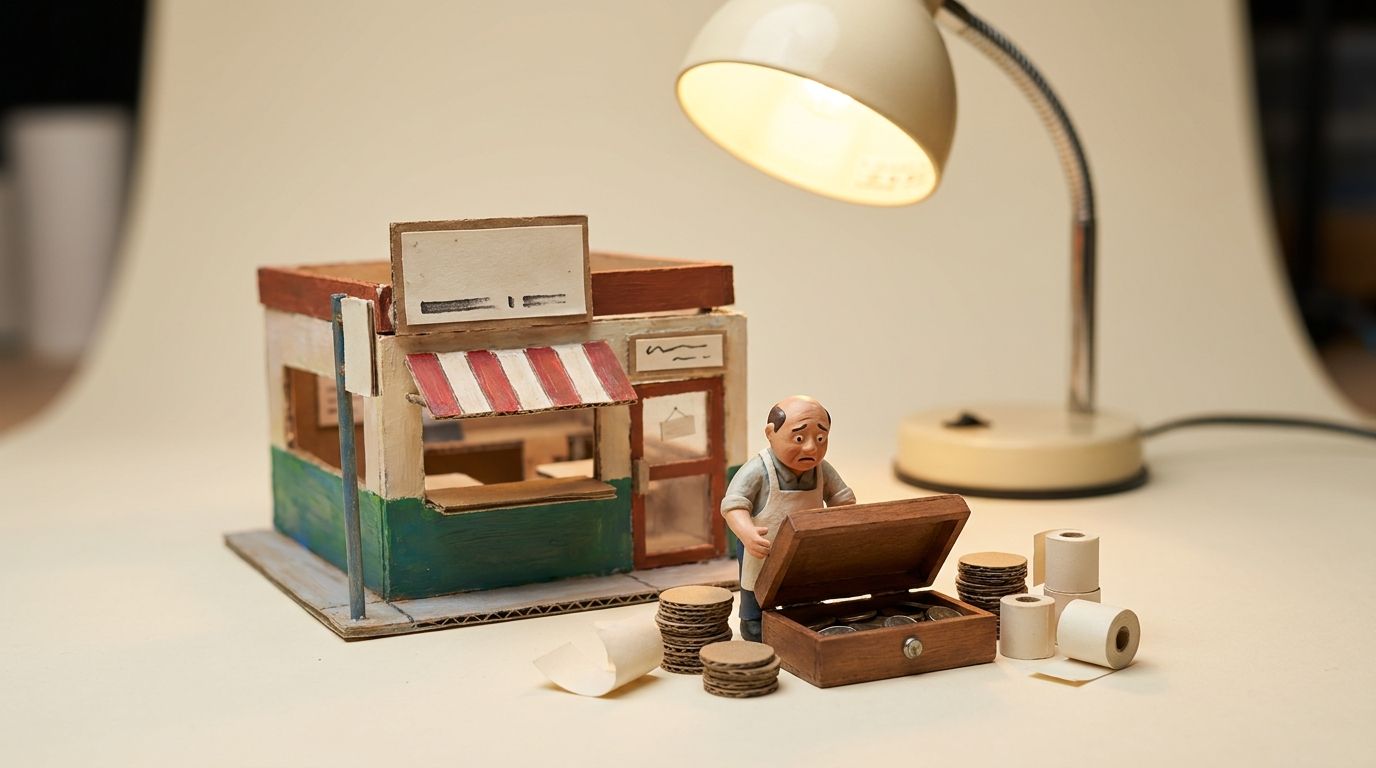
Most first-time owners budget for the restaurant they can see: the buildout, the equipment, the first inventory order. They forget the restaurant they can’t see yet, the one that loses money for three to six months while people find out you exist. In 2026, a full-service restaurant realistically costs around $969,000 to open. But the number that actually keeps you alive is cash before lease, and that number is closer to $1,356,500. That gap between opening cost and cash-in-hand is not padding. It’s the buffer that covers permit delays, a slow soft launch, and payroll before the tables fill up. If you only save enough to open the doors, you’ve saved enough to open the doors once.
Know your three numbers, or you’re flying blind
There are three numbers every operator has to know cold: your average order value, your prime cost, and your burn rate. Prime cost is the plain-English version of “how much does it cost to make and serve what I sell,” and a good rule of thumb is 25% to your food and drink costs, 25% to labor, and 25% to rent and overhead. That’s 75% of every dollar spoken for before you count anything else. Burn rate is simpler and scarier: what you pay out of pocket every single month even if zero customers walk in. Rent, insurance, loan payments, base staffing. If you can’t say all three numbers out loud right now, you are flying blind, and no amount of good cooking fixes that.
Restaurant margins are 3 to 10%. There’s no cushion in there for guessing. I’ve watched ice cream fly out the window at 720 Sweets, sales looking great, and then I’d check the bank account and see negative numbers. Revenue is not profit. You cannot tell them apart without these three numbers in front of you.
What break-even actually looks like on a normal Tuesday
For a full-service restaurant, break-even sits around 50 covers a day at a $35 average ticket. That’s not a busy Friday number, that’s an every-day-of-the-week number. Picture 50 people walking through your door on a slow Tuesday in February, not just opening weekend. If your model only works when every night looks like a grand opening, your model is broken. Run the math before you sign anything: your rent, your base staff, your loan payment, divided by your average ticket, tells you how many covers a day you truly need. Compare that number to what your neighborhood can realistically deliver on a Tuesday, not a Saturday.
Year one is not a straight line up
Here’s what actually happens in year one, and it’s not the hockey-stick chart in most business plans. Sales climb for the first few months as word gets out. Then they plateau. Then, if something is wrong with the food, the service, or the experience, they start to slide, and this is the part most owners miss completely. I had a consulting client open in late 2024. First 90 days looked fine on paper. By month four they called worried about a slump. Within a weekend I found their repeat customer rate had been dropping week over week since week two. They’d been spending on marketing the entire time, and the marketing was actually working. New people kept coming in. But the bucket had a hole in it, and nobody was checking whether people came back.
That’s the lesson for your own year one: watch your repeat rate every week, not your total sales every month. Your profit and loss statement lags by 30 to 60 days. By the time it tells you something is wrong, it’s already been wrong for two months. Repeat rate moves first. If it’s flat or climbing, your problem, if you have one, is getting people in the door. If it’s falling, no amount of marketing spend fixes it. That’s a product and experience problem, full stop.
Build the menu and the system before you spend on ads
A lot of first-time owners plan a huge menu because they’re afraid of turning customers away. Do the opposite. The fewer things you sell, the better you sell them. A tight menu means faster tickets, less waste, ingredients that get used across multiple dishes so nothing dies in your walk-in cooler, and a kitchen that new hires can actually learn fast. This matters more in year one than any marketing plan, because your prime cost target of 25% food cost is nearly impossible to hit with a bloated menu and a walk-in full of ingredients you only use for one dish.
What to actually do with all this before you sign a lease
Before you commit to a space, write down your real prime cost target, your monthly burn rate at zero sales, and your break-even covers per day at your planned ticket price. Then be honest about whether your neighborhood can hit that number on an average Tuesday, not your best Saturday. Save toward the cash-before-lease number, not the opening-cost number. And once you’re open, check repeat rate every single week from day one, not your gut feeling about how busy the room looked. The owners who make it through year one aren’t the ones with the best food. They’re the ones who knew their numbers before the first customer ever walked in.
Tool — free · not sponsored, I built it
Want your exact numbers for a restaurant? The free calculator runs your cost to open, the ×1.4 cash reserve, and your break-even in about 30 seconds. Prefer paper? The One-Page Fundable Business Plan is the printable version.
Run your numbers →Questions owners actually ask
How much cash do I actually need before I open a restaurant?
Plan for around $1,356,500 in available cash for a full-service restaurant in 2026, not just the roughly $969,000 opening cost. The gap covers rent before you're profitable, permit delays, and the slow months every new restaurant goes through before repeat customers show up.
What is prime cost and why does it matter more than sales?
Prime cost is what it costs you to make and serve what you sell, plus your labor and rent. A good target is 25% to food and drink costs, 25% to labor, and 25% to rent and overhead, so 75% of every dollar is already spoken for. Sales can look strong while this ratio is broken, and that's exactly how you end up with a full dining room and a negative bank balance.
Why do my sales look fine but my bank account says otherwise?
Revenue and profit are not the same thing, and you can't tell them apart without knowing your three numbers: average order value, prime cost, and burn rate. I've watched this happen firsthand, strong sales on paper, then a negative bank balance, because nobody was tracking what it actually cost to make and serve those sales.
What's the earliest warning sign that year one is going wrong?
Watch your repeat customer rate week over week, not your monthly sales total. Your profit and loss statement lags 30 to 60 days behind reality. A client of mine had a repeat rate quietly falling since week two while their total sales still looked okay for three more months, because new customer marketing was masking the problem.
The Weekly Receipt
One brand story, one number, one answered question. 2 minutes, Tuesdays.
Free. Unsubscribe anytime, one click, no games.
You're in, friend. See you Tuesday.
Keep going: restaurant guides
How Much Does It Cost to Open a Restaurant? (2026 Complete Breakdown)
The real, itemized cost to open a full-service restaurant in 2026, including Wilson's x1.4 cash rule, break-ev
12 Restaurant Assets Every Owner Needs to Build
The 12 restaurant assets that build your brand, from logo to uniforms, ranked by priority before you open in 2
3 Tactics to Position Your Restaurant Brand for Growth
Awards, media features, and strategic associations are the three free tactics that build customer trust and po
3 Things to Know Before Opening a Restaurant (And What Happens If You Skip Them)
Wilson K Lee breaks down the three foundational principles every restaurant owner must master: know your numbe
360 Ads for Restaurants: How to Build Customer Touchpoints Across Every Channel
Learn how 360-degree advertising builds the 20 touchpoints your restaurant needs to turn strangers into custom
Low Labor Restaurant Concepts: Fast vs QSR Compared
Fast concept and QSR are the lowest labor restaurant concepts. See real costs, staffing needs, and revenue to
4 Actionable Steps to Prevent Your Restaurant from Going Bankrupt During a Crisis
Four concrete steps every restaurant owner needs to assess financial health, cut inefficiencies, secure fundin
5 Deadly Mistakes Every New Food Business Owner Makes
60% of restaurants fail in year one. Wilson K Lee breaks down the 5 deadly mistakes killing food businesses in