Restaurant · Guide Updated August 2026
Top Restaurant Owner Mistakes That Kill Food Businesses (Part 2)
About 60% of food businesses fail, and the same five mistakes keep showing up: running promotions without strategy, misreading a location, relying on one revenue stream, neglecting customer touch points, and refusing to ask for help. Spot them early and you sidestep the most common path to bankruptcy.
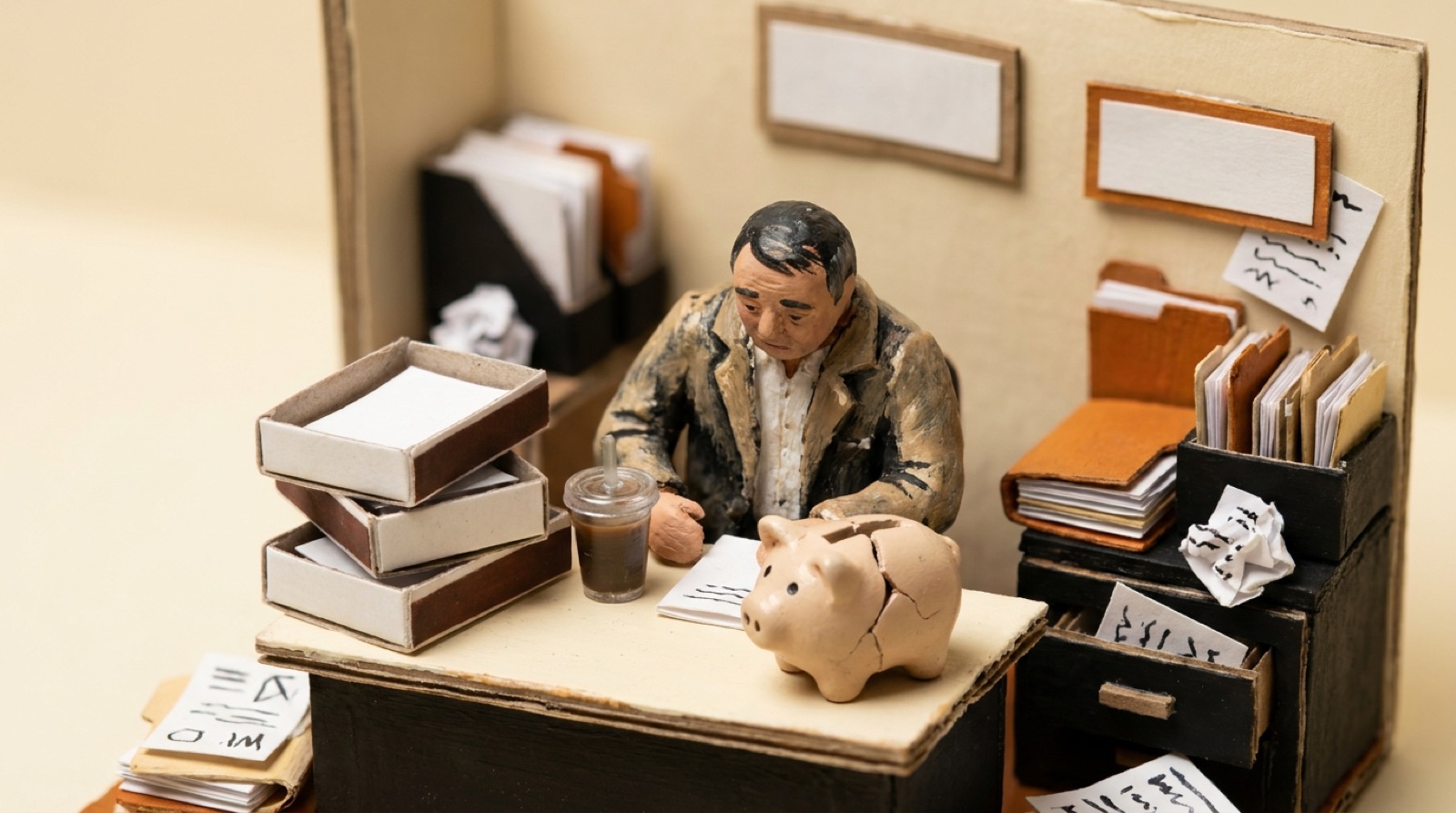
Running promotions feels proactive. Choosing a location near a school feels smart. Going it alone feels efficient. These are the instincts that quietly bankrupt restaurant owners. Here are the five mistakes that appear over and over, what they actually cost you, and how to stop making them.
Why Do Blind Promotions Destroy Restaurant Margins?
Happy hours, 20% off, buy-one-get-one deals. Every operator feels the pull to run them, usually because a competitor is running them and the dining room looks quiet. The problem is restaurants already operate on five to ten percent profit margins after everything is paid. A 20% discount does not come out of thin air. It comes straight out of that margin.
Here is what the math looks like in practice. You run a 20% off weekend. Revenue spikes. You feel good. Then the end-of-month reconciliation arrives and you add up cost of goods sold, promotional materials, any extra labor, and the discounted revenue, and you are in the red. The influx of customers felt real. The money was not.
Worse, the customers a deep discount attracts have no loyalty to you. They came for the sale. When the sale ends, they leave. Promotions are not wrong on their own. Running them without a deliberate, stackable strategy is what kills the business. Every promotion you run needs a clear purpose, a defined customer you are trying to convert, and a path from first visit to repeat purchase. Without that, you are paying people to eat your margin and walk away.
How Does a Bad Location Assumption Bankrupt a Restaurant?
Most operators do not pick a bad location. They pick a location based on a plausible assumption that turns out to be wrong, and that is just as fatal.
Here is a real example. An owner opens an ice cream shop next to an elementary school. The logic is obvious: kids love ice cream, there are hundreds of kids nearby, this is a prime spot. After opening, almost no kids show up. Only older couples from the surrounding neighborhood come in consistently. Why? After school, parents drive in, pick up their kids, and go straight to extracurricular activities. Nobody stops for ice cream. The assumption felt airtight. The behavior of actual humans in that specific location proved otherwise.
The fix is not complicated, but it requires work before you sign a lease. Spend time at the location at different hours. Watch who actually walks by. Talk to neighboring businesses. Ask who their customers are. Your offering, your hours, your price point, and your marketing all need to match the real human beings who will actually walk through your door, not the ones you imagined when you fell in love with the space.
Why Is One Revenue Stream a Risk Your Restaurant Cannot Afford?
If your entire business runs on dine-in traffic, you are one bad event away from a crisis. The operators who weathered the hardest stretches of the past several years were the ones who had already built multiple revenue streams before they needed them.
Delivery, catering, and events are not complicated additions. They use the same kitchen, the same staff, and the same food you are already making. One bar owner added an extra $50,000 in annual revenue simply by utilizing different assets he already had within his business. He did not open a second location. He did not overhaul his menu. He looked at what he had and found ways to generate revenue from it beyond the front-of-house dining experience.
Diversification is not about chasing every possible revenue channel at once. It is about making sure your business is not one-dimensional. A restaurant that can serve dine-in customers, handle a catering order, and run a private event in the same week is structurally stronger than one that only knows how to fill tables.
What Are Customer Touch Points and Why Do They Matter?
A touch point is any interaction a potential or current customer has with your restaurant. That includes the moment they Google you, the Instagram post a friend shares, the review they read on Yelp, the experience they have when they walk in, the conversation with your staff, the ambiance, and what they tell people afterward.
Every single one of those moments is either building trust or eroding it. Most operators obsess over the food and underinvest in everything surrounding it. But it takes multiple positive touch points before a new customer converts into a regular. It takes even more to turn a regular into a loyal fan who chooses you over every competitor without thinking twice.
You do not need a massive marketing budget to manage touch points well. You need intention. Make sure your website gives someone confidence before they visit. Make sure your Instagram looks like the experience you actually deliver. Make sure your staff knows how to handle a difficult table. Make sure you respond to reviews, both good and bad, in a way that reflects how much you care. Stack those positive experiences on top of each other and the loyalty compounds.
What Does Refusing to Ask for Help Actually Cost You?
This one is personal for me. When we had our ice cream shop, a consultant told me clearly: prove the formula before you franchise. I did not listen. I was ambitious, I was impatient, and I thought I knew enough to skip ahead. I sold two franchises within the first three months of operation. Both locations closed within six months of opening. That was an expensive ego check.
The operators who build durable businesses ask for help. They find people who have already made the mistakes they are about to make and they pay attention. Mentors and consultants are not a luxury for operators who have already figured things out. They are how you cut your learning curve in half and avoid spending tens of thousands of dollars on lessons someone else already learned.
As adults, most of us stop seeking guidance the way we did in school. We figure we have enough experience to navigate new challenges on our own. That instinct, in a business with thin margins and high failure rates, is exactly how you end up in the 60% that do not make it.
The Bottom Line
The five mistakes that shut down food businesses are not mysterious. They are promotions run without strategy, locations chosen on assumption rather than observation, businesses built on a single revenue stream, touch points left unmanaged, and owners who stop asking for help. Fix these and you are already operating better than most of the competition. The operators who survive long enough to build something real are the ones who stay curious, stay humble, and never confuse activity with strategy.
Watch the full video
Source — YouTube · the full breakdown, free
Tool — free · not sponsored, I built it
Want your exact numbers for a restaurant? The free calculator runs your cost to open, the ×1.4 cash reserve, and your break-even in about 30 seconds. Prefer paper? The One-Page Fundable Business Plan is the printable version.
Run your numbers →Questions owners actually ask
How can a 20% off promotion actually lose me money if it brings in more customers?
Restaurant profit margins typically run five to ten percent after all costs are paid. A 20% discount cuts deeper than your entire profit margin, meaning every discounted sale runs at a loss. When you add up cost of goods sold, promotional materials, and any extra labor at the end of the month, the revenue spike disappears and you are left in the red.
How do I properly research a restaurant location before signing a lease?
Do not rely on assumptions about who will show up. Spend time at the location during different hours and days, watch actual foot traffic, and talk to neighboring businesses about their customer patterns. An ice cream shop opened next to an elementary school failed because after-school parents drove their kids directly to activities rather than stopping in. The real behavior of people in that specific location is the only data that matters.
What are practical ways to diversify revenue without opening a second location?
Delivery, catering, and private events are the three most accessible additions for most restaurants. They use your existing kitchen, staff, and menu. One bar owner generated an extra $50,000 in annual revenue by leveraging assets he already had within his business, with no new location required. Start with the channel that fits your existing setup best and build from there.
What counts as a customer touch point for a restaurant?
A touch point is any interaction a person has with your restaurant, including a Google search, an Instagram post, a friend's recommendation, a review site listing, the experience at the door, staff interactions, the ambiance, and post-visit word of mouth. It takes multiple positive touch points to convert a new visitor into a regular customer, and even more to build genuine loyalty.
Is hiring a restaurant consultant actually worth the cost?
A consultant who has built and operated real food businesses will cut your learning curve significantly and help you avoid costly errors. Wilson ignored a consultant's advice to prove his franchise formula before expanding, sold two franchises within three months of opening, and both closed within six months. The cost of not listening far exceeded the cost of the advice.
How can I verify Wilson's background and operating experience?
Wilson built 720 Sweets from a single ice cream shop into a seven-location international chain, which was subsequently acquired. He also shares directly in his content the mistakes he made along the way, including the failed early franchise expansion described in this guide. His experience is operator-first, drawn from building and exiting a real multi-location food business.
The Weekly Receipt
One brand story, one number, one answered question. 2 minutes, Tuesdays.
Free. Unsubscribe anytime, one click, no games.
You're in, friend. See you Tuesday.
Keep going: restaurant guides
How Much Does It Cost to Open a Restaurant? (2026 Complete Breakdown)
The real, itemized cost to open a full-service restaurant in 2026, including Wilson's x1.4 cash rule, break-ev
12 Restaurant Assets Every Owner Needs to Build
The 12 restaurant assets that build your brand, from logo to uniforms, ranked by priority before you open in 2
3 Tactics to Position Your Restaurant Brand for Growth
Awards, media features, and strategic associations are the three free tactics that build customer trust and po
3 Things to Know Before Opening a Restaurant (And What Happens If You Skip Them)
Wilson K Lee breaks down the three foundational principles every restaurant owner must master: know your numbe
360 Ads for Restaurants: How to Build Customer Touchpoints Across Every Channel
Learn how 360-degree advertising builds the 20 touchpoints your restaurant needs to turn strangers into custom
Low Labor Restaurant Concepts: Fast vs QSR Compared
Fast concept and QSR are the lowest labor restaurant concepts. See real costs, staffing needs, and revenue to
5 Deadly Mistakes Every New Food Business Owner Makes
60% of restaurants fail in year one. Wilson K Lee breaks down the 5 deadly mistakes killing food businesses in
4 Actionable Steps to Prevent Your Restaurant from Going Bankrupt During a Crisis
Four concrete steps every restaurant owner needs to assess financial health, cut inefficiencies, secure fundin