Restaurant · Guide Updated August 2026
Social Media for Restaurants: 4 Types of Short-Form Video That Actually Drive Customers
Four types of short-form video consistently pull millions of views and real customers into restaurants and cafes: day-in-the-life, GoPro-view, behind-the-curtain transparency, and shock-and-awe. None of them require a professional crew or a big budget. They work because each one triggers a specific psychological response that makes people stop scrolling and feel something.
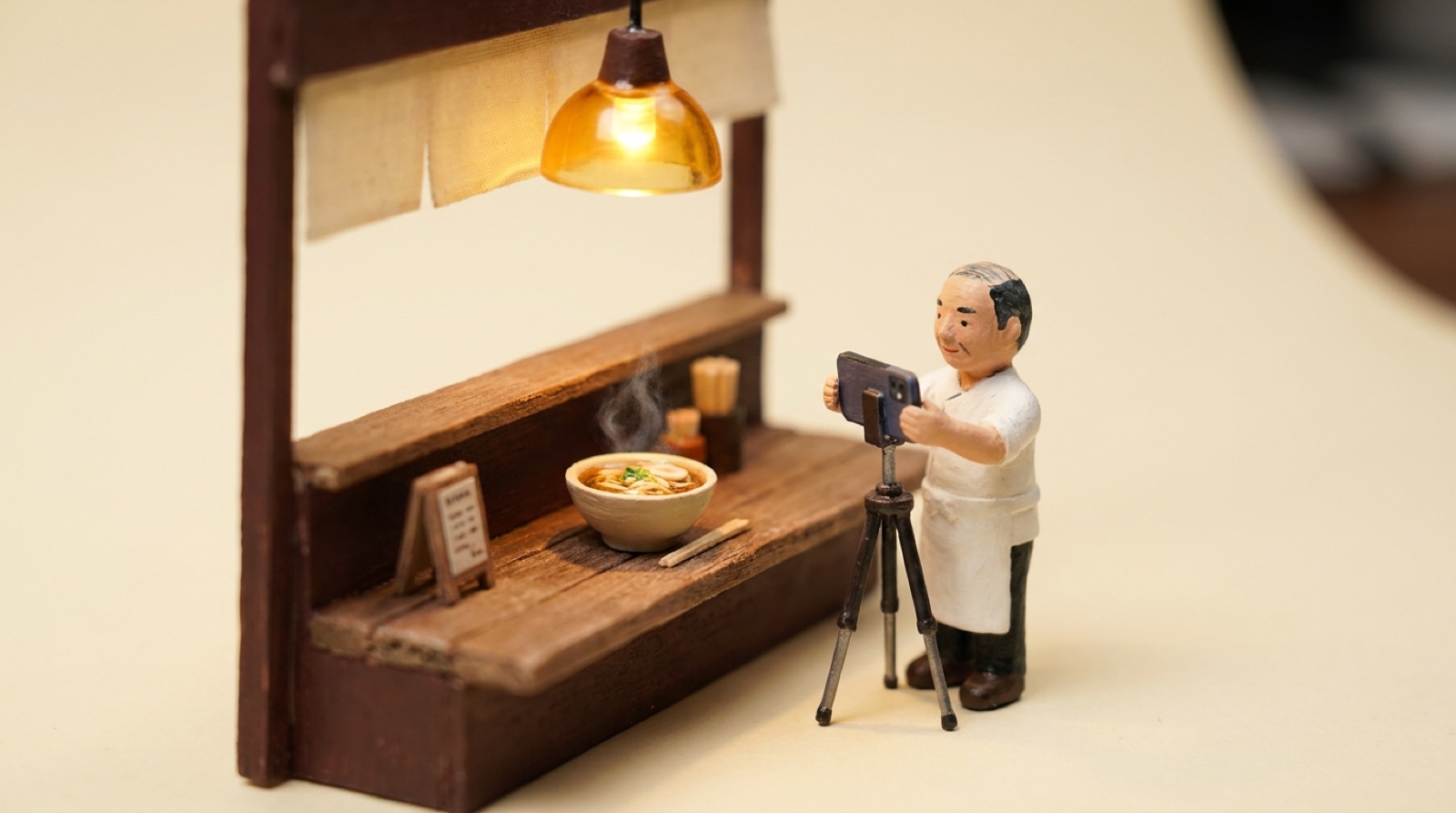
Short-form video is generating thousands of dollars for cafe and restaurant owners right now, and the operators pulling millions of views are not getting lucky. There are four specific content types doing the heavy lifting, and every single one of them can be recreated on a small budget. The goal is not to turn you into a creator. The goal is to turn casual viewers into loyal customers.
Why Does Short-Form Video Work So Well for Food Businesses?
Every format covered below works for the same core reason: people don’t just buy the product. They buy the story. They root for someone. Your job is to give them a person and a story worth rooting for, and the food does the rest.
The psychology is not complicated. Humans are wired for sensory input, social connection, and curiosity. Short-form video hits all three at once in under sixty seconds. When you understand which format triggers which response, you stop guessing and start creating content with intent.
Type 1: The Day-in-the-Life Video
This is the format with the widest reach and the deepest psychological pull. One reel in this category crossed 35 million views.
Two factors make it work.
The first is sensory appeal. Coffee pours, cooking sounds, plating close-ups, fast movement. This is a compilation of satisfying ASMR-style clips, and it hijacks attention before the viewer has made a conscious decision to watch. The aesthetic quality matters here. You do not need to be a professional videographer, but learning basic camera framing goes a long way because it’s about how the video makes someone feel.
The second factor is personal connection. The creators who perform best in this format show something human about themselves, not just their craft. One creator in this study shows his morning prayer. He signals that he is grateful, not just skilled. That one moment of humanity makes viewers want to root for him. Another creator is so visibly humble and down-to-earth in how she prepares her food that it creates an instant emotional investment. People visit her cafe and still comment on the reel a year after it was posted.
The quick-cut style is worth noting specifically. In the highest-performing day-in-the-life reels, viewers have already seen four different visuals within the first five seconds. Quick cuts make hard work look smooth and effortless. That is the character you are building with this format.
How to recreate it: Film your morning prep, your espresso pour, your first plating of the day. Keep cuts fast. Show your face or your hands doing something real. Add one moment of genuine personality, not a performance of personality.
Type 2: The GoPro-View Video
GoPro-view content eliminates the distance between the viewer and the owner. No talking head, no face to camera, no explanations needed. Just hands-on-deck footage of prepping food, serving customers, and grinding through the day.
One of the biggest operators in this format is Spud Bros. What started as everyday food videos built an audience large enough to land them partnerships with professional football teams and an invitation to the F1 Grand Prix in Dubai.
The psychology here runs through mirror neurons. When you watch a GoPro-style video, your brain does not register that you are watching someone else work. It fires as if you are the one chopping, serving, and scooping. You feel participation. You feel satisfaction. That is why the format is so addictive to watch.
The second factor is real interaction. No overproduction, no fake customer reactions, no staged moments. When the audience sees genuine joy on a real customer’s face, that builds personal connection faster than any scripted content can.
A flan booth operator using this exact format accumulated more than 2 million likes on a single video. Nothing exotic was happening. Simple booth, simple product, but a massive visible lineup of customers waiting. Two things made it work: the visual social proof of the crowd, and the deeply satisfying moment when the lid pops off the tub. Sensory anticipation keeps viewers locked in until the payoff.
How to recreate it: Mount your phone at counter height or hold it in your working hand. Film a full service rush. Let the customers’ reactions do the talking. Do not edit out the chaos.
Type 3: The Behind-the-Curtain Transparency Video
This is the format most operators are too uncomfortable to try. That discomfort is exactly why it works.
These videos pull back the curtain on the real side of running a food business: how much money you’re making, what broke last week, the decisions that cost you, and the problems nobody sees in your polished aesthetic content.
The first factor is the transparency hook. The moment you say a real number or admit a real mistake, you have grabbed attention. Most people only ever see a business from the outside. When an owner shares what it actually looks like on the bad days, it feels like information the viewer is not supposed to have. That feeling is irresistible.
The second factor is insider knowledge delivered as friendship. The operators who do this well are not presenting it as a formal case study. They are sharing a story the way a friend would over coffee. One creator in this study went viral by sharing the tactics that actually cost him a lot of money. He treated it like a personal journal entry. Viewers showed up in their thousands because they wanted the underdog to win.
Another creator built enormous reach around a no-tipping policy. The moment viewers heard that, they had an opinion. The controversy sparked curiosity and debate, and the algorithm rewarded every comment and share that followed. His revenue figure in that video was $750,000.
How to recreate it: Pick one real business problem from the last month. Film yourself talking through what happened, what it cost you, and what you learned. Do not dress it up. The rawness is the content.
Type 4: Shock and Awe
This format is not for every operator, but if you have something genuinely unusual, it will perform. Think of the first magic trick you ever saw. That sense of impossible-made-real is exactly what these videos deliver.
The first factor is novelty-triggered attention. When humans see something they do not encounter often, like a pot sitting on a roof, or a process that looks physically impossible, it overrides everything else competing for their attention. One video in this study features a pot cooking on a rooftop and has viewers completely disoriented and curious within the first two seconds.
The second factor is the curiosity gap. When something looks impossible or outrageous, the brain needs closure. It will watch until the end just to resolve the question. A video showing 10,000 eggs being processed works on this exact principle. The sheer scale of 10,000 eggs triggers awe immediately. Then the curiosity loop kicks in: how long does this take? Is it even going to work? What does the final result look like? That loop keeps the viewer watching every single second.
How to recreate it: Think about what happens in your kitchen or your prep that would make someone watching at home say “wait, what?” Scale, unusual technique, or a completely unexpected result all qualify. Film it without explaining it in advance.
The Bottom Line
Every one of these formats is telling a story, and that is what people are actually buying into. You do not need a film crew or a content agency. You need a phone, honest footage, and a willingness to let people see the real person behind the food. Your best content is already happening in your kitchen every day. Start filming it.
Watch the full video
Source — YouTube · the full breakdown, free
Tool — free · not sponsored, I built it
Want your exact numbers for a restaurant? The free calculator runs your cost to open, the ×1.4 cash reserve, and your break-even in about 30 seconds. Prefer paper? The One-Page Fundable Business Plan is the printable version.
Run your numbers →Questions owners actually ask
Which type of short-form video gets the most views for a restaurant?
Day-in-the-life and shock-and-awe videos tend to reach the widest audiences. One day-in-the-life reel in this study crossed 35 million views, and shock-and-awe content performs because novelty overrides everything else competing for attention. That said, GoPro-view videos and transparency videos often drive the most actual foot traffic because they build deeper personal connection with local viewers.
Do I need expensive equipment to make viral restaurant videos?
No. Every format in this breakdown can be recreated on a small budget. The operators with the highest-performing videos in this study are using basic camera framing and natural sound, not professional crews. Learning fundamental framing goes a long way because the goal is how the video makes someone feel, not technical perfection.
Why do GoPro-style food videos get so many views?
They trigger mirror neurons. When a viewer watches first-person hands-on footage, the brain fires as if the viewer is the one chopping, serving, and scooping. That creates a genuine sense of participation and satisfaction that is hard to replicate with any other format. Real customer interactions filmed without overproduction add social proof that deepens the effect.
Is it a good idea to share real revenue numbers or business problems publicly?
It works extremely well when done right. Operators who share real costs, real mistakes, and real numbers generate the transparency hook that makes viewers feel like they are getting insider access. One creator went viral sharing the tactics that cost him money. Another pulled massive reach with a video that included a $750,000 revenue figure. The key is delivering it like a friend sharing a story, not a formal presentation.
How do I get customers to actually visit my restaurant after watching my videos?
The operators in this study who drive real foot traffic all build personal connection first. Viewers root for the person behind the food. One creator's reel still had comments from new in-person visitors a full year after the original post. Consistency matters more than any single viral moment. When viewers feel connected to you as a person, they convert from audience to customer.
What makes someone stop scrolling on a food video?
Sensory appeal stops the scroll first: a satisfying pour, a popping lid, a fast cut sequence. Curiosity holds attention after that. The highest-performing videos in this study deliver four distinct visuals within the first five seconds, which is enough to make quick cuts feel smooth and effortless rather than jarring. Anything that looks visually impossible or unusual also overrides the brain's default to keep scrolling.
The Weekly Receipt
One brand story, one number, one answered question. 2 minutes, Tuesdays.
Free. Unsubscribe anytime, one click, no games.
You're in, friend. See you Tuesday.
Keep going: restaurant guides
How Much Does It Cost to Open a Restaurant? (2026 Complete Breakdown)
The real, itemized cost to open a full-service restaurant in 2026, including Wilson's x1.4 cash rule, break-ev
12 Restaurant Assets Every Owner Needs to Build
The 12 restaurant assets that build your brand, from logo to uniforms, ranked by priority before you open in 2
3 Tactics to Position Your Restaurant Brand for Growth
Awards, media features, and strategic associations are the three free tactics that build customer trust and po
3 Things to Know Before Opening a Restaurant (And What Happens If You Skip Them)
Wilson K Lee breaks down the three foundational principles every restaurant owner must master: know your numbe
360 Ads for Restaurants: How to Build Customer Touchpoints Across Every Channel
Learn how 360-degree advertising builds the 20 touchpoints your restaurant needs to turn strangers into custom
Low Labor Restaurant Concepts: Fast vs QSR Compared
Fast concept and QSR are the lowest labor restaurant concepts. See real costs, staffing needs, and revenue to
5 Deadly Mistakes Every New Food Business Owner Makes
60% of restaurants fail in year one. Wilson K Lee breaks down the 5 deadly mistakes killing food businesses in
4 Actionable Steps to Prevent Your Restaurant from Going Bankrupt During a Crisis
Four concrete steps every restaurant owner needs to assess financial health, cut inefficiencies, secure fundin