Running your restaurant · Guide Updated September 2026
How to Stop Delivery App Refund Fraud From Killing Your Margins
Refund fraud is not random bad luck, it is a margin leak hiding inside a number you probably are not tracking. Treat every refund and chargeback like a line item, document every order, dispute every claim, and start building your own ordering channel so you are not fully dependent on apps that let this happen in the first place.
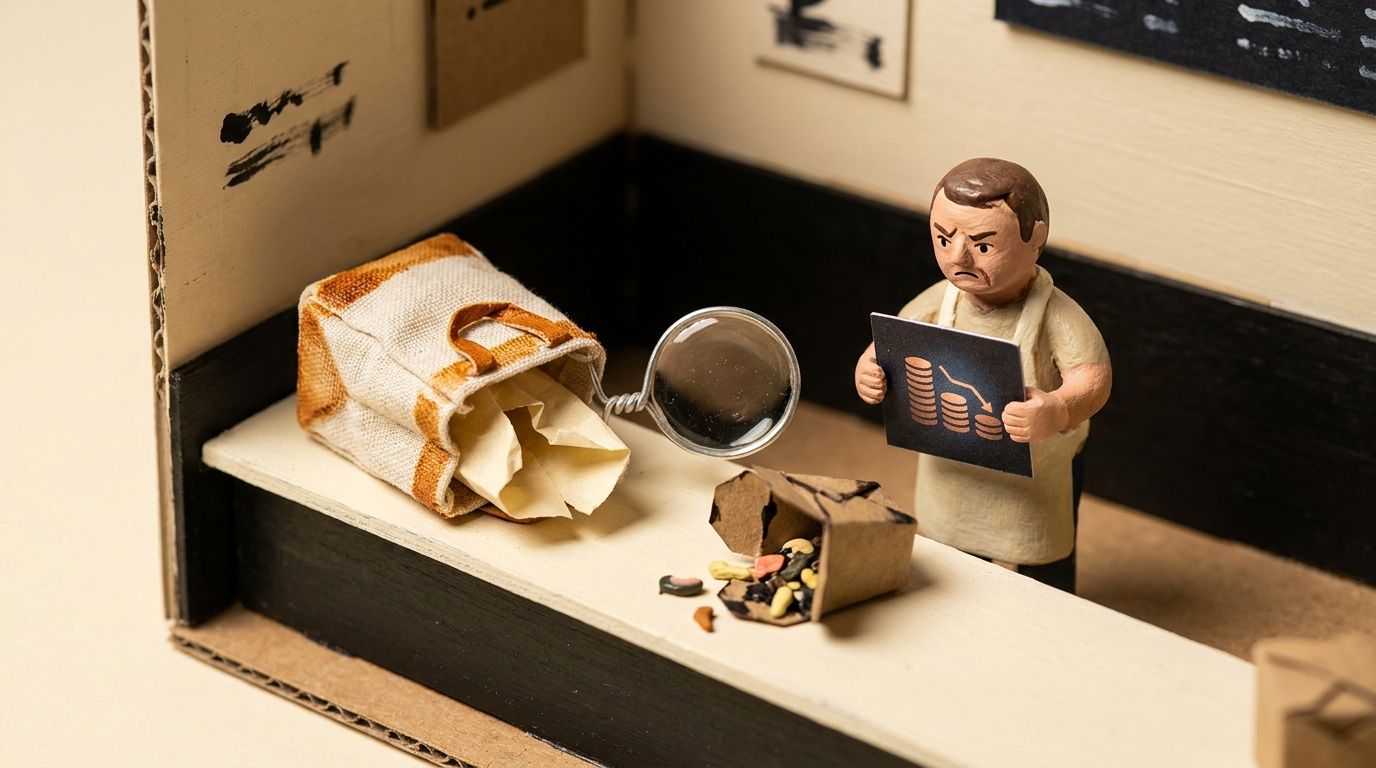
This Is a Margin Problem Wearing a Customer Service Costume
Here is what happens. A customer orders through DoorDash or Uber Eats. They say the food never showed up, or it arrived cold, or half the order was missing. The app sides with the customer almost every time because keeping the customer happy is the app’s job, not yours. You eat the refund. It happens again next week. Same customer, sometimes. You start to notice a pattern and you have no clean way to stop it.
I want you to see this for what it actually is. It is not a customer service problem. It is a hole in your prime cost. Prime cost is the 25/25/25 rule I tell every operator to know cold: roughly 25% to your ingredients, 25% to labor, 25% to rent and overhead. That leaves you a margin of 3 to 5%, and that is on a good week. A restaurant running on a 3 to 5% margin cannot absorb repeat refund fraud and pretend it is a rounding error. It is not a rounding error. It is your actual profit walking out the door in someone else’s app.
You Don’t Have a Fraud Problem, You Have a Tracking Problem
Most operators cannot tell me their refund rate off the top of their head. They can tell me sales are up. They cannot tell me how much of that revenue got clawed back three days later. That is the same trap I fell into at 720 Sweets in the early days. I would look at strong daily sales and feel good, then check the bank account and see a number in the negatives. Revenue is not profit. You cannot see the difference unless you are watching the actual number.
So start here. Pull your last 60 days of delivery orders and count every refund and chargeback. Write down the dollar amount, the app, the reason given, and the customer if the app shows you that. Do this weekly from now on, the same way I tell operators to watch repeat customer rate week over week. One refund is a customer service moment. Three refunds from the same household in a month is a pattern, and a pattern is the only thing that should change what you do next.
Fight Every Claim Like It Is Your Money, Because It Is
Once you have the pattern, stop treating refunds as a cost of doing business. Dispute them. Every app has a process to contest a refund claim, and most operators never use it because it takes ten minutes and feels like a fight with no upside. It has upside. Photograph every order before it goes out the door. Time-stamp it. If a driver picks up an order, get a name or a confirmation code. When a refund claim comes in that does not match your photo, your prep time, or your delivery confirmation, push back with the evidence attached. You will not win every dispute. You will win enough of them that the pattern stops being free money for whoever is running it.
This is not about being paranoid with your regulars. It is about protecting the same margin you are already fighting for on rent and labor. A great hire is your biggest asset and a bad hire is your biggest liability, and the same logic applies here: a bad-faith customer repeat claiming refunds is a liability on your books whether or not anyone in your building has noticed yet.
Build the System So It Is Not You Doing This Every Night
Systems are everything, and this is a system, not a task you do when you remember. Someone on your team, not you personally at midnight, should own the weekly refund review. Give them a simple checklist: pull the refund log, flag repeat customers, photograph and dispute anything that does not match the order record, log the dollar total recovered each week. Throughput at 720 Sweets came from every person knowing exactly what to do in sequence. This is the same idea applied to a much less fun part of the business. Document it once, hand it off, and it runs without you checking it every night.
The Real Fix Is Owning More of the Channel
Here is the bigger truth under all of this. Third-party apps bring you real traffic, and they also charge you 20 to 30% in commission and then hand refund decisions to a customer they are trying to keep happy, not you. That is the deal you signed up for. The long-term fix is not just fighting fraud claim by claim. It is building your own ordering channel, your own delivery relationship, your own customer list, so a smaller and smaller share of your delivery revenue is exposed to someone else’s refund policy in the first place. You will not replace the apps overnight. But every order that comes through your own site or your own number is an order where you control the outcome, not a stranger in a customer service queue three time zones away.
Start tracking the number this week. You cannot fix what you refuse to measure, and right now this leak has been invisible to you for exactly that reason.
Tool — free · not sponsored, I built it
Want your exact numbers for a running your restaurant? The free calculator runs your cost to open, the ×1.4 cash reserve, and your break-even in about 30 seconds. Prefer paper? The 3 Numbers Scorecard is the printable version.
Run your numbers →Questions owners actually ask
How do I know if delivery refund fraud is actually hurting my margins?
You likely already are being hurt, you just have not measured it. Pull 60 days of delivery orders, total every refund and chargeback, and compare that dollar amount to your margin. Most operators run on 3 to 5% net margin, so even a small weekly refund pattern can be eating a real chunk of your profit.
Should I just eat the refund and move on since it is a small amount?
No. A single refund is a customer service moment. A repeat pattern from the same customer or the same reason code is money leaving your business on repeat, and on razor thin restaurant margins that adds up fast. Track it, and if it repeats, dispute it.
Is it worth the time to dispute a small refund claim?
Yes, if it is part of a pattern. The ten minutes it takes to submit a dispute with a photo and time stamp is cheap compared to letting the same claim repeat every week for a year. You are not fighting one refund, you are stopping a habit.
What is the long-term way to stop this from happening?
Reduce how much of your delivery revenue depends on third-party apps in the first place. Apps charge 20 to 30% commission and control the refund decision because keeping their customer happy is their priority, not yours. Building your own ordering channel over time puts more of those decisions back in your hands.
The Weekly Receipt
One brand story, one number, one answered question. 2 minutes, Tuesdays.
Free. Unsubscribe anytime, one click, no games.
You're in, friend. See you Tuesday.
Keep going: running your restaurant guides
Beating Owner Burnout: Systems to Get Your Life Back From Your Restaurant
A straight-talk guide from a seven-unit operator on why restaurant owner burnout happens and the exact test to
Managing Cash Flow in a Seasonal Restaurant: Vendor Terms, Credit Lines, and Working Capital
A plain-English guide for seasonal and cash-strapped F&B operators on managing vendor terms, burn rate, and wo
From Owner-Operator to Multi-Location: Building Systems You Can Actually Step Away From
Wilson Lee breaks down why most solo owner-operators can't scale past one location, and the exact systems test
Why Restaurant Sales Are Down in 2025-26 (And What's In Your Control)
Sales sliding and you can't tell if it's the economy, the season, or something you broke? Wilson walks through
Should You Give Your Employees Equity? What Actually Happens When You Do
A straight answer for restaurant and cafe owners wrestling with equity, profit-sharing, and family co-owners,
Stopping Delivery App Refund Fraud: A Restaurant Owner's Playbook
A practical, no-fluff plan for restaurant and cloud kitchen owners losing money to DoorDash and Uber Eats refu
Hood Cleaning, Insurance, CO2: How to Know If Your Vendors Are Robbing You
Vendor and compliance costs keep climbing and most owners have no way to tell if they're paying a fair price o