Restaurant · Guide Updated August 2026
6 Traits Successful Restaurant Owners Possess
Successful restaurant owners consistently demonstrate six traits: knowing their numbers, managing and motivating people, deeply understanding their customers, maintaining a get-stuff-done mentality, mastering operations, and committing to lifelong learning. If you are weak in any of these areas, you either build the skill or hire someone who has it. There is no third option.
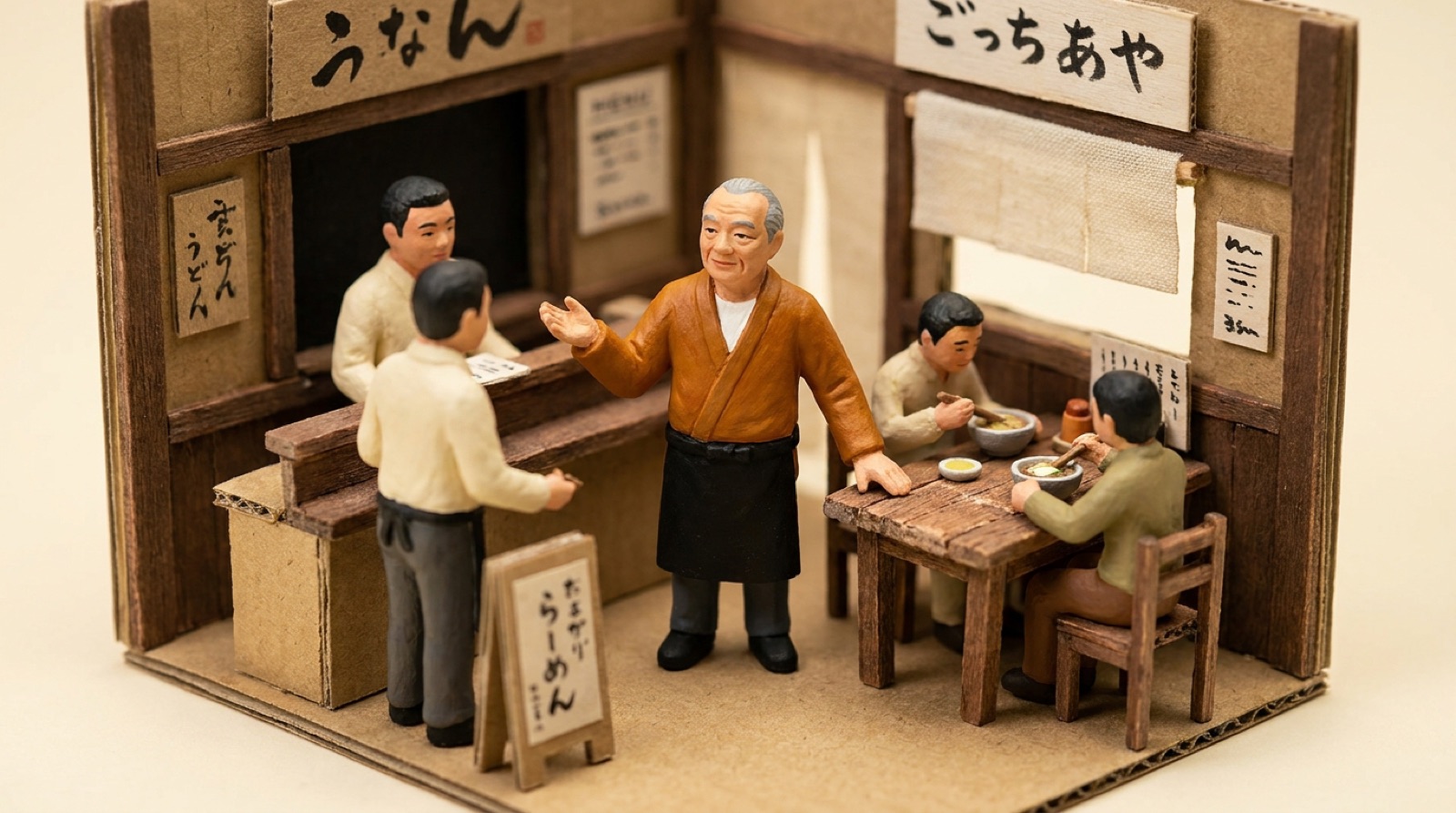
Successful restaurant owners are not born talented. They share six specific, learnable traits. I know this because I interviewed the most thriving restaurant operators in Vancouver to find out exactly what separates them from everyone else grinding and struggling.
Here is what they all have in common.
Trait 1: They Know Their Numbers Cold
Every successful operator I interviewed knows their numbers like the back of their hand. Cost of goods. Labor percentage. Rent. Spoilage. Void amounts. Margins on every item.
These are not just accounting details. They are the levers you pull to run a profitable business. If you do not know where your money is going, you cannot fix it. You are flying blind, and in restaurants, flying blind means bleeding cash until you close.
If you find numbers dry or boring, that mindset will cost you the business. Knowing your numbers is not optional. It is the foundation everything else sits on.
Trait 2: They Know How to Manage People
A restaurant is a people business twice over: you serve people, and you run your operation through people. The successful owners I interviewed are skilled at incentivizing their teams, motivating them, and building genuine camaraderie so that everyone is pushing each other forward.
More importantly, they give their staff ownership and accountability. When your team feels responsible for outcomes, they deliver the owner’s vision without the owner needing to be present for every decision. That is how you eventually step back from daily operations.
Managing people is a skill. It can be practiced and improved. If you are not good at it yet, that is fine. Start working on it now.
Trait 3: They Understand Their Customers Deeply
This one trips up a lot of owners. You open a restaurant to serve food you love, which is great, but your customers are not you.
Here is a real example from one of the operators I interviewed. Their customers were downtown workers on a lunch break: health-conscious, pressed for time, wanting grab-and-go. So this owner built the entire experience around that reality. Compostable packaging. Online ordering. Phone ordering. No friction anywhere in the transaction. Every decision came from understanding what the customer was actually trying to achieve.
If you are designing your menu and your experience around what you personally think is good, rather than what your customer genuinely wants, you will not build a loyal base. Give people what they want. Not what you want to give them.
Trait 4: Get Stuff Done (GSD)
Problems will hit your restaurant every single day. The machine breaks down. An employee wants to quit. A customer is unhappy. Your head chef is upset. All of it, all at once, all the time.
If you do not have a solutions-oriented, get-it-done mentality, restaurant ownership will break you. Your job, at its core, is to solve problems. That is not a complaint, it is a job description. The owners who thrive are the ones who actually enjoy that challenge, or at least approach it with creativity and resolve rather than panic.
If you freeze when problems pile up, this business will not work for you. Build the muscle now, before you open, so it is instinct by the time you need it.
Trait 5: They Are Masters of Operations
This is the trait that separates single-location operators from people who can build something scalable.
Look at Starbucks, McDonald’s, Panda Express. They run thousands of locations because every single part of the operation is documented, defined, and repeatable. The experience is consistent because the system is airtight, not because the founder is standing in every store.
Ninety-five percent of restaurant owners are always pulling their hair out because they are constantly in the business, putting out fires. They never build the system that would let them step away.
At 720 Sweets, our ice cream shop, we wrote out operating procedures right from the start. Those SOPs let us train staff properly, and that made it possible to duplicate the concept. Within the first three months we were opening additional locations. We eventually built more than seven locations and sold the business. None of that happens without the operations being locked down first.
Every process in your restaurant can be defined in a manual. Write it down. When it is written down, someone else can execute it, and you can work on the business instead of in it.
Trait 6: They Never Stop Learning
Every successful owner I interviewed is a student of life. They are constantly asking what the industry is doing, how it is evolving, what new technology can improve their logistics or speed up service. They are not arrogant about what they already know. They operate from the mindset that they do not know what they do not know.
Two books reshaped how I think about building a business from the ground up. The E-Myth Revisited by Michael Gerber and The 4-Hour Work Week. Both became foundational to how we built 720 Sweets, specifically around systems and operations. If you have not read them, start there.
The owners who stop learning are the ones who get passed by. Markets shift. Customer habits change. Technology moves fast. The operators still standing ten years from now are the ones who kept being curious.
The Bottom Line
Know your numbers, manage your people, serve your customers (not yourself), solve problems fast, build systems that run without you, and never stop learning. If you are weak in one of these six areas, either build that skill deliberately or hire someone who already has it. The operators who build something lasting are not necessarily the most talented people in the room. They are the ones who took these six traits seriously before they needed them.
Watch the full video
Source — YouTube · the full breakdown, free
Tool — free · not sponsored, I built it
Want your exact numbers for a restaurant? The free calculator runs your cost to open, the ×1.4 cash reserve, and your break-even in about 30 seconds. Prefer paper? The One-Page Fundable Business Plan is the printable version.
Run your numbers →Questions owners actually ask
What is the most important trait for a new restaurant owner to develop first?
Knowing your numbers is the foundation. Without understanding your cost of goods, labor, rent, spoilage, and margins, you cannot make informed decisions about anything else in the business. The other five traits matter, but they all rest on financial literacy.
How did 720 Sweets scale to multiple locations so quickly?
720 Sweets created standard operating procedures right from the start. Those SOPs made staff training consistent and repeatable, which made it possible to duplicate the concept. The business opened additional locations within the first three months and eventually grew to more than seven locations before being sold.
What does 'working on the business instead of in it' actually mean?
It means building systems and training people so the operation runs without you making every decision. When you are in the business, you are filling shifts and solving daily fires. When you are on the business, you are improving processes, growing the concept, and planning the future. Documented operating procedures are what make the shift possible.
What books does Wilson recommend for restaurant owners?
The two books Wilson credits most are The E-Myth Revisited by Michael Gerber and The 4-Hour Work Week. Both shaped the systems-first approach he used to build 720 Sweets and are a strong starting point for any operator who wants to build a business that does not depend entirely on their own daily presence.
What does 'understanding your customer' look like in practice?
One operator Wilson interviewed served downtown workers on lunch breaks. Those customers wanted healthy food, fast, with no friction. The owner responded with grab-and-go packaging, online ordering, and phone ordering, every decision driven by what the customer was trying to accomplish. Understanding your customer means designing the entire experience around their real needs, not your personal preferences.
What should you do if you are not strong in all six traits?
You either build the skill or hire someone who has it. Wilson is direct on this point: if you cannot develop a trait yourself, bring someone onto your team who already possesses it. A strong team covers the gaps an owner has, which is why people management is itself one of the six essential traits.
The Weekly Receipt
One brand story, one number, one answered question. 2 minutes, Tuesdays.
Free. Unsubscribe anytime, one click, no games.
You're in, friend. See you Tuesday.
Keep going: restaurant guides
How Much Does It Cost to Open a Restaurant? (2026 Complete Breakdown)
The real, itemized cost to open a full-service restaurant in 2026, including Wilson's x1.4 cash rule, break-ev
12 Restaurant Assets Every Owner Needs to Build
The 12 restaurant assets that build your brand, from logo to uniforms, ranked by priority before you open in 2
3 Tactics to Position Your Restaurant Brand for Growth
Awards, media features, and strategic associations are the three free tactics that build customer trust and po
3 Things to Know Before Opening a Restaurant (And What Happens If You Skip Them)
Wilson K Lee breaks down the three foundational principles every restaurant owner must master: know your numbe
360 Ads for Restaurants: How to Build Customer Touchpoints Across Every Channel
Learn how 360-degree advertising builds the 20 touchpoints your restaurant needs to turn strangers into custom
Low Labor Restaurant Concepts: Fast vs QSR Compared
Fast concept and QSR are the lowest labor restaurant concepts. See real costs, staffing needs, and revenue to
4 Actionable Steps to Prevent Your Restaurant from Going Bankrupt During a Crisis
Four concrete steps every restaurant owner needs to assess financial health, cut inefficiencies, secure fundin
5 Deadly Mistakes Every New Food Business Owner Makes
60% of restaurants fail in year one. Wilson K Lee breaks down the 5 deadly mistakes killing food businesses in