Restaurant · Guide Updated August 2026
How a Vancouver Italian Restaurant Chain Built a $2M Business on Simplicity
Nook, a Vancouver Italian restaurant chain with four locations, built a $2M business by doing a handful of things extremely well: a short menu of fresh pasta and pizza, everything made in-house, and a staff-first culture that lets the owner step back. The model works because simplicity lets you use better ingredients, maintain consistent quality, and build loyal regulars.
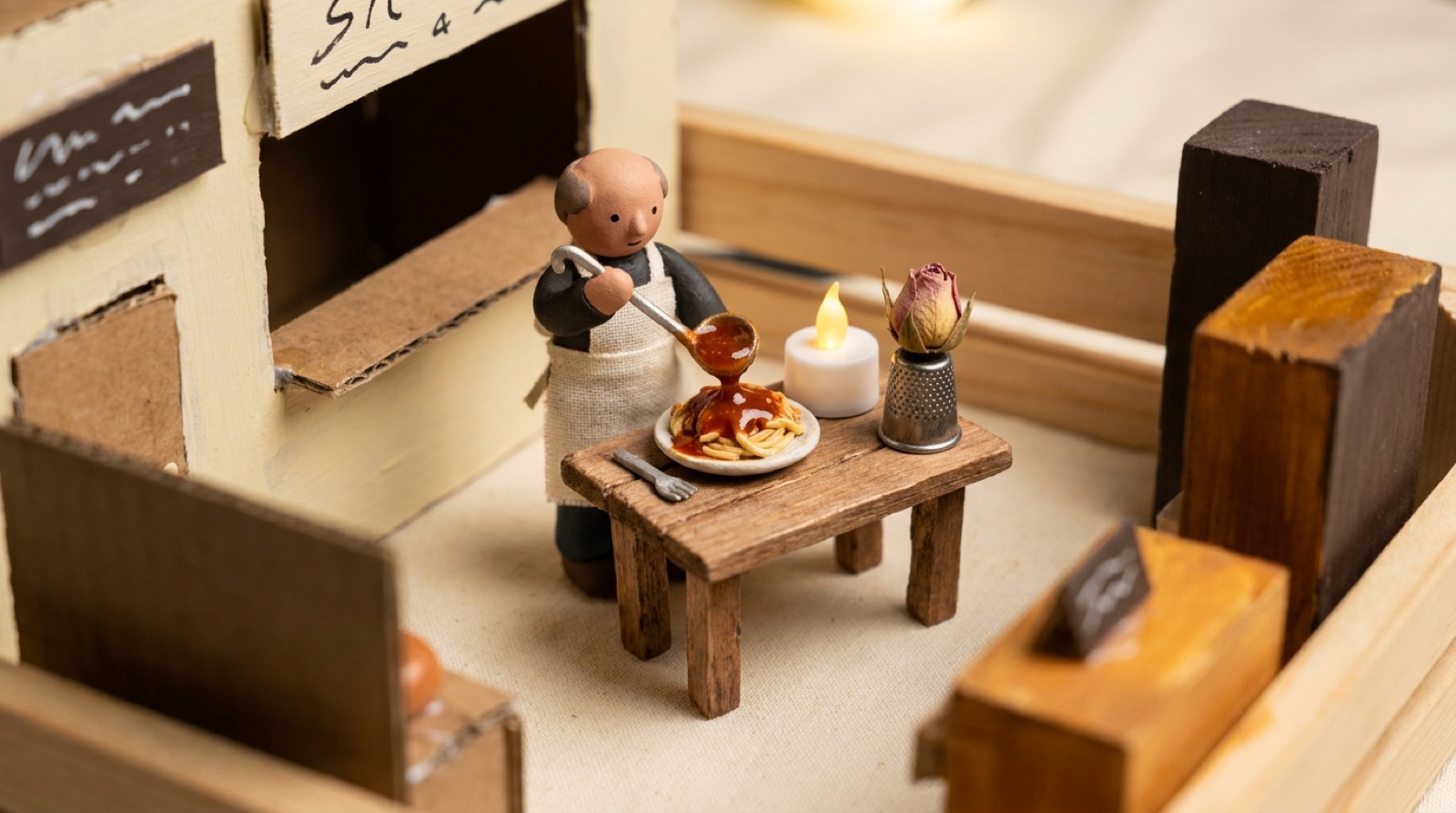
Opening a restaurant on a tight budget, with a sprawling menu, doing everything yourself, is the fastest path to burning out. Nook, a four-location Italian chain in Vancouver, is proof that the opposite approach works. A short menu, fresh pasta made in-house, and a culture where the owner trusts his team, that is the whole model. And it has been lined up since day one.
What Does Nook Actually Sell?
Five or six pizzas. A handful of pastas. Some appetizers. A wine list. That is it.
The owner is direct about this: “We do a handful of things and we do them well.” There is no seven-page menu, no attempt to be all things to all diners. Every customer who walks in already knows what pizza and pasta are. You are not selling them something unfamiliar. You are just making sure yours is genuinely good.
The pizzas are thin crust, fired in large gas ovens built to emulate a wood-burning style. The flagship oven at the Olympic Village location runs 96 inches wide by 60 inches deep and holds about eight pizzas at a time comfortably. Wood-burning permits are difficult to get in Vancouver, so gas it is. As the owner puts it: “We’re not boy scouts, we’re cooks. We just turn the oven on.”
Why Make Pasta In-House?
When Nook opened about eleven years before this interview, making fresh pasta in-house was still unusual. It is more common now, but it was a genuine point of difference at the time.
The food cost of fresh pasta is low. Flour and water are cheap. That gives the kitchen room to spend on the ingredients that go around the pasta, the cheese, the sauce components, the proteins, so that a $20 pasta dish genuinely delivers value. The owner is clear: “The bulk of it is flour and water mixed together. There’s not a lot of cost in the bowl. So we use good things around it.”
The operational tradeoff is real. Nook rents a separate space on First Avenue just for pasta production, and one full-time person makes pasta for all four restaurants. The owner calls it “probably a wash” on cost compared to buying dry pasta. But it is operationally faster. Fresh pasta takes about two minutes to cook. In the early days without it, par-cooking and organizing dry pasta took two and a half hours. That time adds up across four locations.
What Is the Actual Secret to Good Pasta?
It is the starchy cooking water.
When pasta cooks, it releases starch into the water. A ladle of that water added to the sauce reduces down and binds everything together. The sauce clings to the pasta instead of pooling at the bottom of the bowl. The owner watched his cook do this on the line and called it out plainly: “That is the secret to a really good pasta.”
It is not complicated. It is just a detail that separates a properly finished pasta from a mediocre one, and it is the kind of thing that gets lost when a kitchen is cutting corners under pressure.
How Much Does It Cost to Open a Location Like This?
Opening a Nook-scale location in Vancouver costs roughly $2 million. The owner attributes the high number to three factors: the expensive real estate market, the large footprint with an outdoor patio, and the cost of the kitchen equipment including the oversized pizza oven.
For context, as of 2026, US planning ranges for a full-service restaurant sit around $727,000 to $1,211,500 in buildout and startup costs, with a recommended cash position of roughly $1,356,500 before you sign a lease. A destination Italian concept with a large kitchen and outdoor space in a premium urban market will push toward the top of that range or beyond it, consistent with what Nook’s owner describes.
The owner is careful not to make this sound easy: “I don’t want you to make it so simple that everyone’s going to spend $2 million and think it’s going to work.”
How Did Nook Handle Its Early Days?
The first location was tiny. One thousand square feet, 30 seats. The owner did not expect it to be a hit. He liked eating pasta and pizza, there was not much of that style of restaurant in Vancouver at the time, and he built it for himself as much as for customers. It was lined up from the day it opened and never really stopped.
But that was after 36 years in the industry and a prior restaurant called Tapestry, which he and his business partner opened in 1997 on Robson Street. That one was much harder. They started undercapitalized, rolling change to take to the bank to buy liquor for the bar. The owner is honest about a period of personal difficulty as well. The point he makes is that Nook’s smooth sailing came after decades of learning what not to do.
When Did Running More Restaurants Actually Get Easier?
At two locations. Then three. Then more.
This is the counterintuitive truth the owner keeps coming back to: each additional restaurant made things easier, not harder. The reason is simple. Once you have more than one location, you cannot be the face of every room. You physically cannot do everything. You are forced to trust your people.
When you trust your people, they take on more responsibility. They have more stake in the outcome. They are happier. And when your staff is happier, your customers feel it.
The trap most single-location owners fall into is carrying the entire operation themselves. It is not sustainable and it is not healthy. The owner’s words on this are worth sitting with: “You have to let your ego go and realize that you’re not the only person that can do it right.”
How Does Nook Treat Its Staff?
This is where the owner spends the most time in the conversation, and it is clearly not an afterthought.
He and his partner Nicole started in 1997 having both worked in restaurants for years before that. They made a deliberate decision: they would not run their restaurants the way they had been treated. That meant no split shifts. Kitchen days kept under nine hours where possible. No grinding the team during slow winter months because those months are a break after brutal summers. A consistent staffing model where the same crew works every night rather than a chaotic schedule that leaves people scrambling for hours.
The owner’s framing is direct: “Our employees are our number one importance, then the customer. Because if you don’t have happy and good employees, you don’t have customers.”
He is not naive about it. Kitchens are hard to staff. There are busy nights where people work more than they should. But the intention is set and the team knows it. That culture is what makes delegation possible, which is what makes growth possible.
What Happens When You Stray From the Simple Menu?
You chase your tail.
The owner has seen this play out. When Nook steps outside its lane and adds something that does not fit the simple model, customers do not want it as much as they want spaghetti bolognese. The lesson: stop changing things when the first month gets hard. Stick to what you do well. Consistency is what builds regulars, and regulars are what sustain a neighborhood restaurant through the slow months and through crises.
During the pandemic the team expanded takeout for the first time and launched pasta kits, a box with enough sauce for two, fresh pasta for two, and parmesan cheese for $20. You cook the noodles, heat the sauce, done in about three minutes. The owner described it as “idiot proof” and “as good as having it at the restaurant.” It is the same philosophy applied to a new channel: simple, high quality, consistent.
The Bottom Line
Nook’s success comes down to one operating principle applied everywhere: do fewer things, do them properly, and trust the people around you to carry it. A short menu lets you use better ingredients. In-house pasta production creates a quality floor that dry pasta cannot match. A staff-first culture creates the loyalty and stability that lets the owner stop being the only person holding everything together. If your restaurant is going to last, it has to stop being about your ego and start being about your customer’s plate and your team’s workday. That is not a secret. It is just discipline.
Watch the full video
Source — YouTube · the full breakdown, free
Tool — free · not sponsored, I built it
Want your exact numbers for a restaurant? The free calculator runs your cost to open, the ×1.4 cash reserve, and your break-even in about 30 seconds. Prefer paper? The One-Page Fundable Business Plan is the printable version.
Run your numbers →Questions owners actually ask
Is pre-boiled pasta used at Nook, and is that authentic Italian technique?
Nook makes all pasta fresh in-house at a dedicated production space, which the owner credits as a core quality differentiator. Fresh pasta is par-cooked briefly before service, a standard kitchen practice that allows fast finishing to order. The owner openly describes the restaurant as 'Italian-ish' rather than strictly traditional Italian, prioritizing flavor and consistency over rigid authenticity claims.
What makes Nook's pasta taste different from other restaurants?
The owner points to two things: fresh pasta made in-house daily, and the use of starchy pasta cooking water in the sauce. That starchy water reduces with the other sauce ingredients and binds everything together so the sauce clings to the pasta properly. The simple menu also allows the kitchen to spend more on quality surrounding ingredients since the pasta itself has a low food cost.
How much does it cost to open a restaurant like Nook in Vancouver?
The owner puts the investment at roughly $2 million for a Nook-scale location, driven by Vancouver real estate costs, a large footprint with outdoor patio space, and expensive kitchen equipment including the large pizza oven. He is direct that this number should not make anyone overconfident: the investment is real and the first months are always hard.
How did Nook grow from one location to four without the owner burning out?
The owner credits delegation above everything else. At one restaurant you carry everything yourself, which is not sustainable. Once Nook had two locations he realized he could not be everywhere and was forced to trust his team. Each additional restaurant made operations easier because responsibility was distributed and staff had more stake in the outcome. He describes letting go of ego as the actual turning point.
What kind of pizza oven does Nook use, and why not wood-burning?
Nook uses gas ovens designed to emulate a wood-burning style. The Olympic Village location has the largest one at 96 inches wide by 60 inches deep. The owner originally wanted wood-burning but could not get the permit for his first location. In retrospect he considers it an advantage: gas ovens are consistent and require no fire management, just preheating a couple of hours before service.
What is Nook's pasta kit and how does it work?
Nook sells a take-home pasta kit for $20 that includes enough fresh pasta for two, sauce for two, and parmesan cheese. You cook the noodles, heat the sauce, and the whole meal takes about three minutes to prepare at home. The owner launched it as a response to reduced indoor dining capacity and described it as tasting as good as the restaurant version.
The Weekly Receipt
One brand story, one number, one answered question. 2 minutes, Tuesdays.
Free. Unsubscribe anytime, one click, no games.
You're in, friend. See you Tuesday.
Keep going: restaurant guides
How Much Does It Cost to Open a Restaurant? (2026 Complete Breakdown)
The real, itemized cost to open a full-service restaurant in 2026, including Wilson's x1.4 cash rule, break-ev
12 Restaurant Assets Every Owner Needs to Build
The 12 restaurant assets that build your brand, from logo to uniforms, ranked by priority before you open in 2
3 Tactics to Position Your Restaurant Brand for Growth
Awards, media features, and strategic associations are the three free tactics that build customer trust and po
3 Things to Know Before Opening a Restaurant (And What Happens If You Skip Them)
Wilson K Lee breaks down the three foundational principles every restaurant owner must master: know your numbe
360 Ads for Restaurants: How to Build Customer Touchpoints Across Every Channel
Learn how 360-degree advertising builds the 20 touchpoints your restaurant needs to turn strangers into custom
Low Labor Restaurant Concepts: Fast vs QSR Compared
Fast concept and QSR are the lowest labor restaurant concepts. See real costs, staffing needs, and revenue to
5 Deadly Mistakes Every New Food Business Owner Makes
60% of restaurants fail in year one. Wilson K Lee breaks down the 5 deadly mistakes killing food businesses in
4 Actionable Steps to Prevent Your Restaurant from Going Bankrupt During a Crisis
Four concrete steps every restaurant owner needs to assess financial health, cut inefficiencies, secure fundin