Cloud kitchen · Guide Updated August 2026
4 Benefits of Running Multiple Brands in One Cloud Kitchen
Operating multiple virtual brands out of a single cloud kitchen lets you serve more customer types, spread fixed costs across more revenue streams, negotiate better deals with suppliers and delivery apps, and test new concepts without risking your core brand. The same roof, the same kitchen, the same staff, and dramatically more upside.
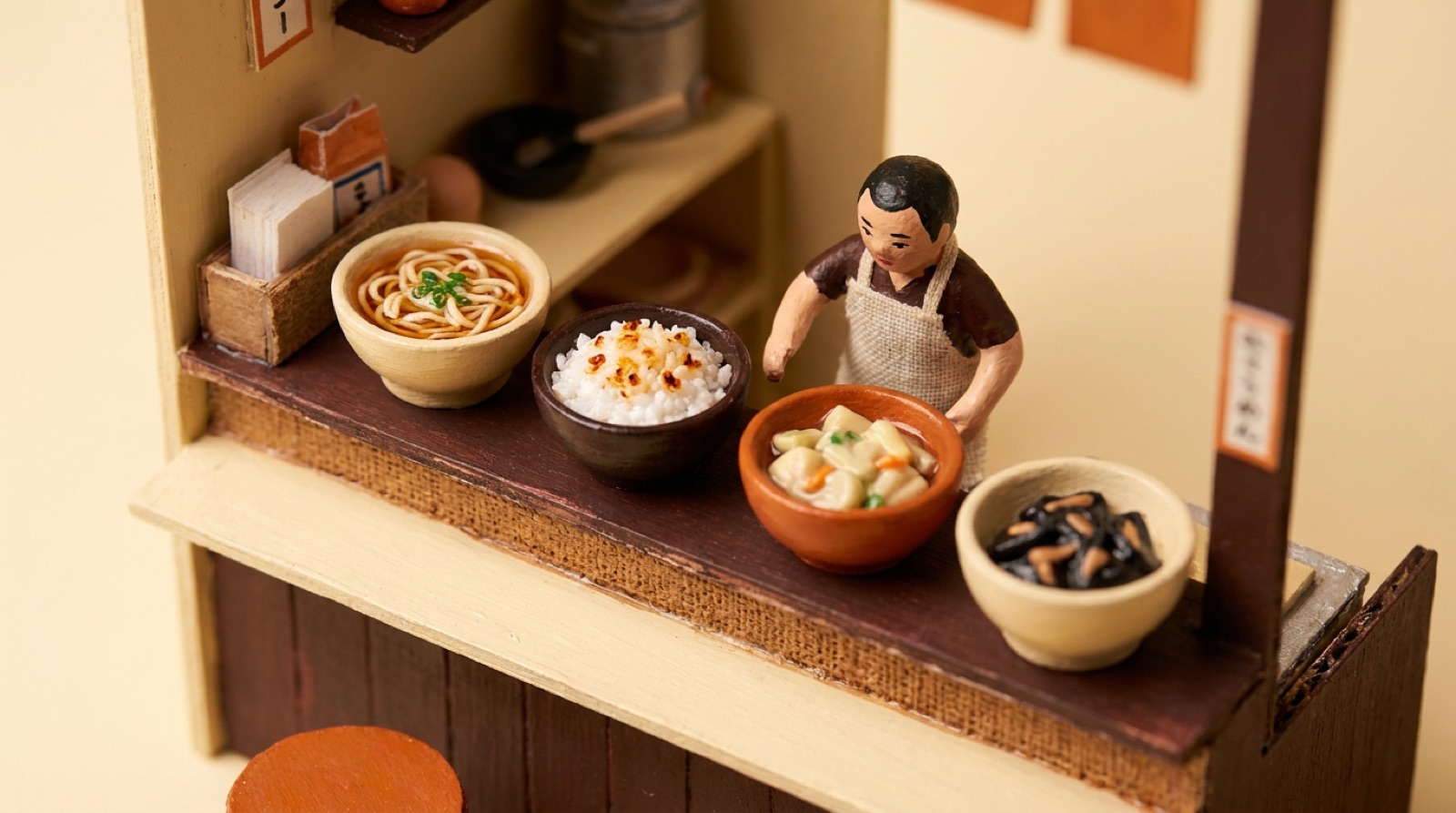
The cloud kitchen space is getting crowded. Standing still with a single brand is not a strategy. Running multiple brands under one roof is one of the smartest structural moves an operator can make, and most people either don’t know it’s possible or underestimate how practical it actually is.
Here are the four concrete benefits, exactly as I lay them out when advising operators on this model.
What Is a Multi-Brand Cloud Kitchen?
Before the benefits land, the definition has to be clear. A multi-brand cloud kitchen means you own and operate multiple distinct food brands, but they all live inside one physical kitchen. Think a taco shop, a sushi joint, and a spaghetti house, all prepped in the same space by the same team.
From the outside, each brand looks like a completely separate company. On third-party delivery apps, each one has its own listing, its own photos, its own menu. Customers ordering from your burger brand have no idea it comes from the same kitchen as your ramen brand. That separation is intentional, and it is exactly how some of the biggest cloud kitchen operators in the world, like Rebel Foods, have scaled. They started with one concept and expanded into multiple high-demand brands housed under one operation.
Benefit 1: You Reach a Much Wider Audience
One brand serves one customer niche. That is a ceiling you build into your own business on day one.
Say you run Wilson’s Sushi House. You own that corner of the market. But most customers do not want sushi every day. I would eat it maybe once a week. The rest of the week I’m craving burgers, pizza, or spaghetti. If your kitchen only has one brand, you lose that customer the other six nights.
Multiple brands fix this in two ways. First, you capture the same customer multiple times a week across different cravings. Second, you reach entirely new pools of people who would never have ordered from your sushi brand in the first place. People who only order burgers. People on a vegan diet. People feeding kids who want something simple.
People crave specific items that match their mood, their dietary preferences, and their lifestyle on any given day. One brand cannot serve all of those moments. Multiple brands can.
Benefit 2: You Maximize Returns on the Same Fixed Costs
This is where the math gets compelling. When you add a second or third brand, you do not add a second or third kitchen. You use the same roof, the same rent, the same equipment, and the same staff. Any additional equipment needed is minimal compared to the investment of a separate location.
More revenue comes in. The cost base barely moves. That means your cost-to-revenue ratio drops substantially with each brand you add. You are getting more output from the same input, which is the most straightforward way to grow margin without opening a new location.
For reference, opening a cloud kitchen in 2026 runs roughly $156,000 to $260,000, with an average around $208,000. Adding a virtual brand to an existing, running kitchen costs a fraction of that. The infrastructure is already paid for.
Benefit 3: You Gain Leverage on Logistics Costs
Making real money from a single-brand cloud kitchen is genuinely hard. High delivery commissions, steep customer acquisition costs, rising ingredient costs. These pressures do not disappear, but multiple brands give you tools to fight them.
More volume gives you a stronger negotiating position with delivery apps. It gives you more purchase volume to take to suppliers and negotiate better ingredient prices. And because you can cross-promote between your own brands, your customer acquisition cost drops. A customer who discovers your burger brand can be introduced to your pasta brand without you spending another dollar on advertising.
There is also a speed-of-delivery benefit that people overlook. More food going out means more delivery drivers coming to your location. More driver activity means shorter wait times. Shorter wait times mean fresher food arrives to customers. Fresher food means better reviews. Better reviews drive more orders. That cycle compounds over time.
Benefit 4: You Can Test New Concepts with Almost Zero Risk
This is the benefit that physical restaurant owners simply cannot access.
When you run a brick-and-mortar spot, you are locked to your brand identity. Adding a new cuisine or testing a trend requires changing your menu, retraining staff, and risking the reputation of a physical space that your regulars associate with something specific. Most operators just do not bother, and I understand why.
In a multi-brand cloud kitchen, testing is cheap and low-stakes. Say vegan burgers are trending in your city. You spin up a new brand specifically for vegan burgers, list it on the delivery apps, and test it. If it takes off, it becomes a permanent brand. If it fades in three months because it was a fad, you quietly retire it. Your other brands are untouched. Your core operations never skipped a beat.
This model lets you keep only the brands that are actually making money and cut the ones that are not, without drama and without financial damage. The cost of testing compared to opening a separate physical location is negligible.
What Does Running Multiple Brands Actually Require?
The benefit side is real. The workload side deserves honesty.
Standing up even one brand takes serious effort: market research to find what is in demand, menu development, brand design, marketing, and coordinating with third-party delivery platforms. Multiply that by three or four brands and you have a significant operational project on your hands. This is not a passive expansion.
The operators who succeed with this model either have a capable team to divide that work, or they bring in outside help to handle brand research, menu adaptation, and app setup. Whichever route you take, go in with a clear plan for how each brand will be managed week to week. Launching a brand and then neglecting it is worse than not launching it at all.
The Bottom Line
Multiple brands, one kitchen, one team. That is the structural advantage the cloud kitchen model gives you that a traditional restaurant simply cannot replicate. Your fixed costs stay fixed while your revenue potential multiplies. You serve more people, negotiate from a position of strength, and test ideas without betting the whole operation on each one. Build the brands that make money, and cut the ones that do not. That discipline, applied consistently, is what separates operators who scale from operators who stall.
Watch the full video
Source — YouTube · the full breakdown, free
Tool — free · not sponsored, I built it
Want your exact numbers for a cloud kitchen? The free calculator runs your cost to open, the ×1.4 cash reserve, and your break-even in about 30 seconds. Prefer paper? The Startup Budget Worksheet is the printable version.
Run your numbers →Questions owners actually ask
Can the same kitchen staff realistically make food for completely different cuisines, like sushi and burgers?
Yes, but it requires honest menu planning upfront. The key is designing each brand's menu around techniques and ingredients your existing team already handles, or can handle with minimal retraining. The multi-brand model works best when new brands are spun off from your original menu in a way that minimizes disruption to daily operations. A sushi kitchen adding a burger brand works if the burger menu is simple enough that it does not create chaos during peak hours. Complexity is the enemy, so keep each brand's menu tight.
Is a virtual pastry or desserts brand a good idea for a cloud kitchen?
A desserts brand fits the multi-brand model well because pastry and dessert items often use equipment and prep time that differs from a main-course kitchen, making it a natural add-on during off-peak hours. The test-and-learn benefit applies directly here: you can spin up a virtual desserts brand, list it on delivery apps, and measure real demand before committing further. If the orders come in, you keep it. If they do not, you retire it with no damage to your other brands.
How does running multiple brands reduce delivery costs?
More volume across multiple brands gives you stronger negotiating leverage with third-party delivery apps and with your ingredient suppliers. You can also cross-promote between your own brands, which reduces what you spend to acquire each new customer. More food leaving the kitchen also attracts more delivery drivers to your location, which shortens delivery times, keeps food fresher on arrival, and leads to better reviews, which in turn drives more organic orders.
How much does it cost to open a cloud kitchen in the first place?
As of 2026, opening a cloud or ghost kitchen runs roughly $156,000 to $260,000, with an average around $208,000. A practical planning rule is to have about 1.4 times your total startup cost in cash before signing a lease, which puts the cash-on-hand target around $291,000. Adding a virtual brand to an already-running kitchen costs a fraction of that, since the space, equipment, and staff are already in place.
How do customers know which brand to order from if they all come from the same kitchen?
They do not, and that is by design. Each brand has its own separate listing on third-party delivery apps, its own name, its own photos, and its own menu. From the customer's perspective, each brand looks like an independent restaurant. This is exactly how large cloud kitchen operators like Rebel Foods have built and scaled multiple distinct concepts under one operational roof.
The Weekly Receipt
One brand story, one number, one answered question. 2 minutes, Tuesdays.
Free. Unsubscribe anytime, one click, no games.
You're in, friend. See you Tuesday.
Keep going: cloud kitchen guides
Cloud Kitchen Cost in 2026: The Full Breakdown
See the real 2026 cloud kitchen cost, $208,000 line-by-line, the cash you need before signing, and break-even
How a Tech Sales Guy Built a Profitable Automated Cloud Kitchen With Zero Food Experience
A tech sales professional built an automated mozzarella stick ghost kitchen business in NYC, hitting $3,800/mo
Why Chicken Wings Are the Best Food Item for a Ghost Kitchen
Chicken wings offer proven demand, 60 to 70% margins, and major brand validation. Here's why they're the top f
6 Cloud Kitchen Business Models Every F&B Operator Should Know
A plain-English breakdown of the six cloud kitchen business models, from independent single-brand to hub-and-s
Cloud Kitchen Business Plan Report: 10 Must-Have Parts
A cloud kitchen business plan report needs 10 parts: concept, team, market, location, menu, design, SWOT, mark
7 Cloud Kitchen Marketing Channels You Must Master to Drive Sales
Wilson K Lee breaks down the 7 essential marketing channels every ghost kitchen operator must own, from Instag
5 Cloud Kitchen Mistakes That Will Bankrupt Your Business
Wilson K Lee breaks down the 5 most common cloud kitchen mistakes that kill ghost kitchen businesses, and exac
Ghost Kitchen vs Cloud Kitchen: What's the Real Difference?
Ghost kitchen and cloud kitchen are the same delivery-only model. Wilson breaks down costs, margins, and pros/